Using Dark Mode On Oled Or Amoled Screens For Better
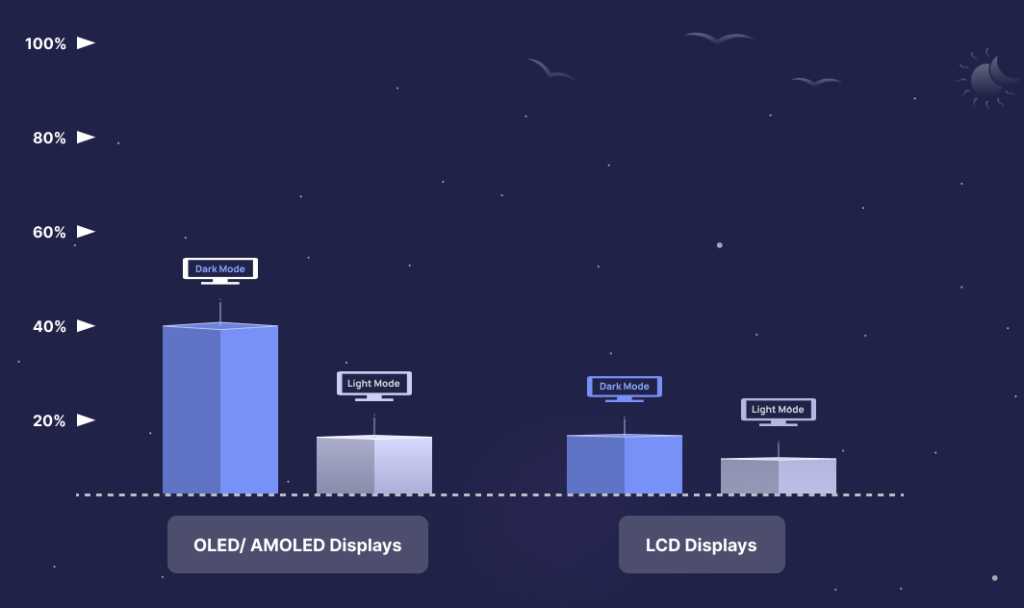

Using dark mode on OLED or AMOLED screens
Dark mode has become a popular option for many users who want a sleeker look and better battery life. This is especially true for screens that use OLED or AMOLED technology. These screens display images differently than traditional LCD screens, making dark mode more beneficial for them.
Understanding OLED and AMOLED screens
OLED stands for Organic Light Emitting Diode, while AMOLED means Active Matrix Organic Light Emitting Diode. Both types have pixels that produce their own light, unlike LCD screens that rely on backlights.
This means each pixel can be turned on or off independently, allowing for true blacks and vibrant colors when displaying images.
Because of this technology, OLED and AMOLED screens can save power by turning off pixels that display black or very dark colors.
How dark mode impacts battery life on OLED and AMOLED screens
Dark mode can significantly extend your device’s battery life if you use an OLED or AMOLED screen. When you switch to dark mode, many pixels turn off, reducing power consumption.
The darker the background, the less energy your screen uses to display content. This is because black pixels are essentially turned off or emit very little light.
Studies have shown that using dark mode can reduce battery drain by up to 30 percent or more, depending on your device and how often you use it.
Benefits of using dark mode on OLED or AMOLED devices
Improved battery performance
- Dark mode reduces power consumption by turning off pixels in dark areas.
- This leads to longer battery life, especially during prolonged use.
Reduced eye strain
- Dark backgrounds can lessen eye fatigue, particularly in low-light settings.
- It can be easier to focus when the contrast between text and background is high.
More comfortable viewing experience
- Dark mode creates a sleek, modern look that’s easier on the eyes during nighttime use.
- Many users find it less distracting than bright, white backgrounds.
How to enable dark mode on popular devices and apps
Smartphone settings
Most smartphones, whether Android or iOS, have a quick toggle or setting to turn on dark mode. On Android devices, go to Settings, then Display, and select Dark Mode. iPhones can enable Dark Mode via Settings, then Display & Brightness, choosing Dark.
Application-specific dark mode
Many apps, including social media, email, and messaging services, offer their own dark mode options. Usually, you can find this in the app settings under Display or Appearance.
Automatic scheduling of dark mode
Some devices allow you to schedule dark mode to turn on automatically during evening hours. This setting can often be found in the Display options of your device.
Best practices for using dark mode effectively
Balance brightness and contrast
Adjust the screen brightness to comfortable levels, and ensure that text is clearly visible against the background. Proper contrast helps reduce eye strain even in dark mode.
Combine dark mode with blue light filters
Blue light filters or night mode can further reduce eye fatigue during night use. Many devices now have these features built-in, which can be scheduled or toggled manually.
Use dark mode in low-light environments
Dark mode is especially beneficial when you are in dark rooms. It minimizes glare and makes it easier to look at your screen without straining your eyes.
Potential drawbacks and considerations
Not ideal for all content types
Dark mode might make reading some websites or documents difficult when there’s a lot of dark or complex backgrounds. Sometimes, light mode is better for detailed work or reading.
Impact on visibility in bright light
In very bright environments, dark mode can reduce screen visibility because less light is emitted, making it harder to see details.
Compatibility issues with certain apps
Some older apps may not support dark mode properly, resulting in inconsistent appearances or readability problems.
Tips to optimize dark mode usage on OLED and AMOLED screens
- Use dark wallpapers or themes to complement dark mode and reduce eye strain.
- Adjust display brightness to match ambient light for increased comfort.
- Update your device’s software regularly to ensure all apps support dark mode seamlessly.
- Customize dark mode settings for apps that allow further personalization.
Related topics: Enhancing your OLED or AMOLED experience
Calibrating your display for optimal dark mode performance
Proper calibration ensures colors appear accurate and the contrast is just right. Some devices offer built-in calibration tools, or you can use third-party apps.
Using screen protectors and filters to reduce glare
Anti-glare protectors can improve visibility in bright environments and protect your screen from scratches.
Future trends in OLED and AMOLED technology
Emerging innovations include foldable screens, higher refresh rates, and enhanced energy efficiency, which will further improve dark mode’s benefits and user experiences.
Switching to dark mode on OLED or AMOLED screens offers numerous advantages, from conserving battery life to reducing eye fatigue. By understanding how these screens work and adopting best practices, you can make your device more comfortable and efficient to use. Whether you prefer automatic scheduling or manual toggling, embracing dark mode can enhance your digital experience across daily activities.
OLED vs Super Amoled Display Max And Low Brightness
Frequently Asked Questions
How does dark mode help reduce eye strain on OLED or AMOLED screens?
Dark mode reduces eye strain by minimizing the amount of bright light emitted from the screen, especially in low-light environments. It decreases glare and visual fatigue, making it more comfortable to look at your device for extended periods. This is particularly beneficial on OLED and AMOLED displays, where darker pixels consume less power and emit less light.
Can using dark mode extend the battery life on devices with OLED or AMOLED screens?
Yes, enabling dark mode can significantly conserve battery life on OLED and AMOLED screens. Since these displays turn off pixels to display black, using darker themes reduces power consumption. This helps you extend your device’s usage time between charges, especially when browsing, social media, or reading content.
Are there any drawbacks to using dark mode on OLED or AMOLED screens?
While dark mode offers many benefits, some users find that reading or viewing certain types of content, like images with bright backgrounds, becomes less clear. Additionally, in well-lit environments, dark themes may reduce screen visibility or contrast, making it harder to read or interact with content effectively.
How can I ensure my app or device’s dark mode is optimized for OLED screens?
To maximize benefits, customize your device or app settings to activate true black backgrounds instead of dark gray or other dark shades. Use themes specifically designed for OLED screens that utilize deep blacks to ensure pixels turn off completely. Regularly update your apps to include the latest dark mode enhancements for better compatibility and performance.
Final Thoughts
Using dark mode on OLED or AMOLED screens helps preserve battery life and reduces eye strain. It also enhances the display’s vibrancy by providing high contrast. Switching to dark mode minimizes the power consumption of individual pixels, especially on screens with true black backgrounds. This can extend your device’s battery life significantly. In conclusion, using dark mode on OLED or AMOLED screens offers practical benefits like better battery management and comfortable viewing experiences. Adopting this setting makes your device more efficient and visually pleasing.
Similar Posts