Trick For Finding Battery Drain On Android Tips
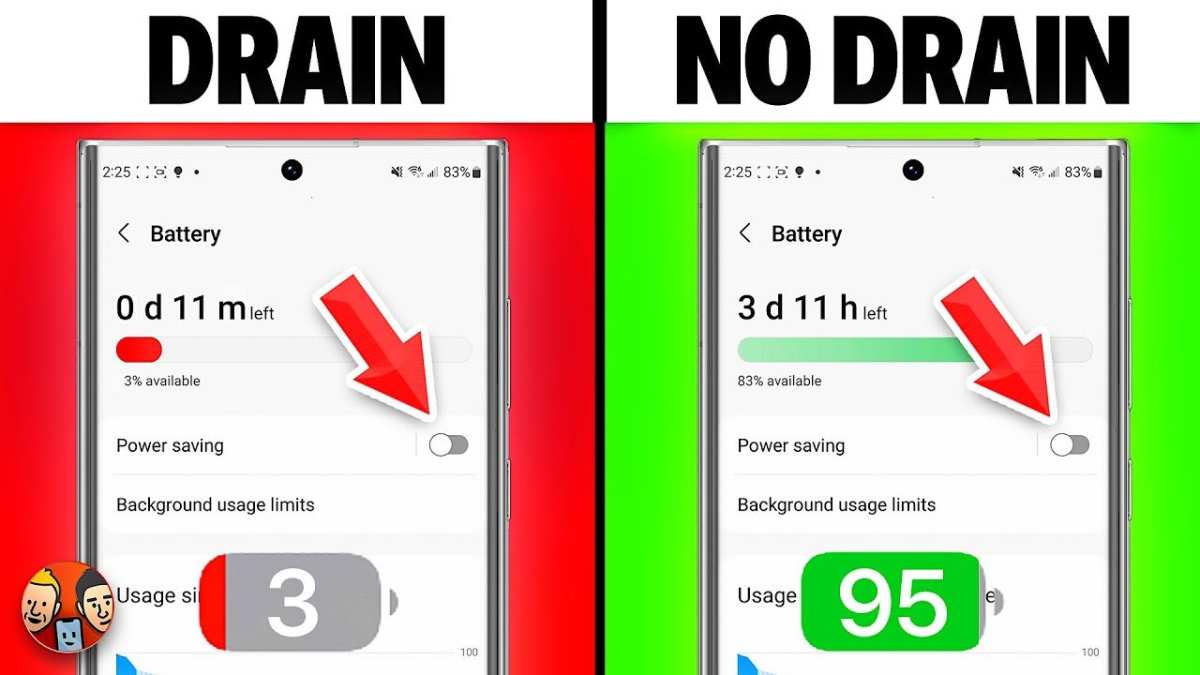

Effective Trick for Finding Battery Drain on Android Devices
When your Android phone’s battery starts running out faster than usual, it can be a real hassle. You might wonder, “What is draining my battery?” The good news is, you can figure out what’s using up your battery with simple steps. In this section, we’ll explore a handy trick for finding battery drain on Android devices that anyone can do. This method helps you pinpoint the apps or settings that cause your battery to drain quickly, so you can take action and extend your phone’s battery life.Understanding How Android Tracks Battery Usage
Before diving into the trick, it helps to understand how Android keeps track of which apps and processes use the most power. Android has built-in tools that show detailed battery usage stats. When you go into your settings, you’ll find a section called “Battery” or “Battery Usage.” This shows a list of apps and services ranked by how much energy they use over a certain period, usually the last 24 hours or the past few days. Here’s what you typically see in Android’s battery usage info:- Apps and processes: The programs running in the background or foreground that consume power.
- Screen usage: How much the display has been on and consuming battery.
- System services: Features like Wi-Fi, Bluetooth, GPS, or syncing services that might be active.
Step-by-Step Guide to Using Battery Usage Data
Now, let’s go through the trick for finding the main cause of battery drain step-by-step. Follow these simple instructions:Check the Battery Usage Section
1. Open the **Settings** app on your Android device. You can usually do this by tapping the gear icon in your app drawer or notification shade. 2. Scroll down and look for **Battery** or **Battery & performance**—the exact wording may vary depending on your device. 3. Tap on **Battery Usage** or **Battery** to view detailed info.Review the List of Apps and Services
At this point, you’ll see a list of apps and system services ordered by how much battery they have used. The top items on the list are the main suspects for battery drain. – Check if any app is using an unexpectedly high percentage of battery. – Look for apps you haven’t used recently that are still active in the background. – Pay attention to system processes like **Android OS**, **Google Play Services**, or **Sync** features that might run without your knowledge.Identify Unusual Power-Heavy Apps
If you see an app consuming a large chunk of your battery, it might be the culprit. For example, if you notice your social media app or game is using 30% or more of your battery, it means it’s working hard in the background. – Remember, some apps tend to drain more battery when they’re syncing or streaming data. – If the app isn’t in use but is still consuming power, it may be running unnecessary background processes.How to Use This Information to Reduce Battery Drain
Once you’ve identified the apps or services draining your battery, you can take targeted actions:- Close Apps: Fully close apps that are high on the list but aren’t needed now.
- Restrict Background Activity: Use the app info to limit background activity for specific apps by going into app settings and selecting “Battery” or “Background restriction.”
- Uninstall or Disable Apps: If an app doesn’t serve a vital purpose but keeps draining your battery, uninstall it or disable it.
- Update Apps: Sometimes, update notifications can fix bugs that cause excessive battery use. Make sure all apps are current.
- Adjust Settings: For system services like GPS, Wi-Fi, or Bluetooth, turn them off when not needed. You can also lower screen brightness or reduce screen timeout to save power.
Advanced Tips for Finding Hidden Battery Drain
The basic method above is great for most users, but some battery drain issues might be harder to spot. Here are some advanced tricks:Use Developer Options
Developer options can give you even more insight into what’s happening behind the scenes. – To enable developer options, go to Settings > About phone > Tap on “Build number” seven times. – Then go to Settings > Developer options. – Look for **Running services** to see what processes are active. – Use **Profile GPU rendering** or **Show CPU usage** to identify apps that use a lot of system resources.Check for Battery-Draining Apps in Safe Mode
Booting your device in safe mode disables third-party apps. If battery life improves significantly in safe mode, you know a third-party app causes the issue. – To enter safe mode, press and hold the power button, then tap and hold “Power off” until the option for safe mode appears. – If battery drains less in safe mode, uninstall or disable recently installed apps that could be the cause.Use Third-Party Apps for More Detailed Insights
If you want extra details, some third-party apps can help you analyze battery usage better:- AccuBattery: Monitors real-time battery consumption and shows which apps are the biggest drainers.
- GSam Battery Monitor: Provides detailed info on app and system processes affecting your battery.
- BetterBatteryStats: Offers low-level details about what’s killing your battery, including wake locks and kernel activities.
Proactive Ways to Prevent Future Battery Drain
To keep your battery healthy and avoid sudden drain issues: – Turn off unused features like Bluetooth, Wi-Fi, or GPS when not in use. – Keep your apps updated to benefit from bug fixes. – Limit background data for apps that don’t need real-time updates. – Enable battery saver modes when your battery is low. – Regularly check your battery usage to catch issues early. Finding the main cause of battery drain on your Android device doesn’t need to be complicated. By learning how to use the built-in battery usage information effectively, you gain power over your device’s performance. When you check the battery stats, identify the apps or systems that are consuming excessive energy, and take measures such as closing apps, restricting background activity, or uninstalling problematic apps, you can significantly extend your battery life. Remember, proactive management and periodic checks keep your device running smoothly and prevent unexpected battery problems from ruining your day.Frequently Asked Questions
What steps can I take to identify apps that consume the most battery on my Android device?
Navigate to your device’s Settings and select Battery. Here, you will see a list of apps ranked by their battery usage. Focus on the apps that use the most power, especially those running in the background without your knowledge. You can force stop or uninstall apps that drain battery excessively to improve overall device longevity.
How can I monitor how background processes affect my phone’s battery life?
Use the Battery Usage feature within Settings to observe which processes operate in the background. Check the details to see if any apps or services consume a disproportionate amount of power when you’re not actively using them. Adjust app permissions or settings to limit background activity where possible, and consider disabling or uninstalling apps that contribute significantly to battery drain.
Are there system settings or features that help reduce battery consumption during troubleshooting?
Yes, activating features like Battery Saver mode lowers background activity and reduces power-hungry processes. Also, turning off location services, Bluetooth, Wi-Fi scanning, and auto-sync options can help identify if these functionalities cause battery drain. By toggling these settings on and off, you can pinpoint which functions impact your device’s power performance the most.
Can inspecting the battery health provide clues to ongoing drain issues?
Absolutely. Many Android devices allow you to check battery health, which can indicate if your battery is degraded and contributing to faster drainage. If the battery health report shows significant wear or swelling, replacing the battery may improve performance. Regularly monitoring this aspect helps you stay aware of hardware issues impacting power consumption.
What role does screen usage play in overall battery drain, and how can I examine its impact?
Screen activity typically consumes the most power on smartphones. Review your screen-on time in the Battery Usage section to understand how long your display remains active. Dimming the screen brightness, reducing screen timeout duration, or switching to dark mode can significantly lower battery consumption caused by the display. Monitoring these factors assists in identifying if screen usage contributes to the drain problem.
Final Thoughts
A simple trick for finding battery drain on Android is to check the battery usage in settings. This feature highlights apps that consume the most power, making it easy to identify offenders. Additionally, uninstall or restrict apps that drain excessive battery during background activity. By regularly monitoring this data, users can optimize their device’s performance and extend battery life effectively. In conclusion, this trick for finding battery drain on android helps users quickly pinpoint problem apps and conserve energy.
Similar Posts