How To Make Shortcuts On Android For Quick Access
How to Make Shortcuts on Android
Creating shortcuts on your Android device makes your daily tasks faster and more convenient. Instead of digging through menus or apps to find what you need, shortcuts put your favorite apps, contacts, or functions right on your home screen. This guide will walk you through everything you need to know about making shortcuts on Android, from simple app icons to more advanced custom shortcuts. We will explore various methods, tips, and tricks to help you personalize your Android experience and save time on everyday tasks.Understanding Android Shortcuts
Before diving into how to create shortcuts, it’s helpful to understand what they are and the different types available on Android. Shortcuts essentially act as quick links to specific functions, apps, or content. They are designed to simplify how you access your most-used features. – **App Shortcuts**: Quick access to specific functions within an app. For example, a shortcut to compose a new email in your email app or start a new chat in messaging apps. – **Contact Shortcuts**: Direct dialing or messaging a contact without opening the contacts list. – **Website Shortcuts**: Links to specific web pages placed on your home screen. – **Settings Shortcuts**: Quick access to specific device settings, like Wi-Fi, Bluetooth, or Brightness controls. – **Custom Shortcuts**: Created using third-party apps or launcher features to perform specific tasks, such as opening a playlist or launching a sequence of actions. Knowing the distinction between these types helps you decide what shortcuts to create based on your needs.Creating Basic App Shortcuts on Android
The simplest way to make shortcuts is by adding app icons directly to your home screen. This process is straightforward and works on nearly all Android devices.Adding App Icons Manually
– Find the app you want to create a shortcut for in your app drawer. – Tap and hold the app icon. – Drag the icon to an empty space on your home screen. – Release the icon when you see a place where it fits nicely. – Adjust the position as needed to organize your shortcuts efficiently. This method provides quick access to your favorite apps right from the home screen, reducing the number of taps needed to launch frequently used programs.Creating App Shortcuts via Long Press Menu
Some Android devices and apps support creating shortcuts through a long-press menu: – Tap and hold the app icon until a menu appears. – Look for an option labeled “Add shortcut” or “Create shortcut” and tap it. – The shortcut will appear on your home screen instantly. This approach is helpful when you want to create multiple shortcuts from within an app or access specific features quickly.Building Specific Function Shortcuts using Widgets
Widgets add a layer of customization that transforms your home screen into a personalized hub for your favorite functions.Using Built-in Widgets
Most Android devices include widgets that facilitate creating shortcuts. To add one: – Tap and hold an empty space on your home screen. – Select “Widgets” from the menu that appears. – Scroll through the available widgets to find the one for your preferred function, like “Direct Dial” or “Shortcut.” – Tap and hold the widget, then drag it to your home screen. – Follow prompts to select the contact, app, or setting you want to link to. Widgets often offer more options than basic shortcuts, such as customizing icons or labels.Creating Custom Shortcuts with Third-Party Apps
For more advanced shortcuts, third-party apps like *Nova Launcher*, *Shortcut Maker*, or *Tasker* can help you craft unique shortcuts tailored to your routines. – Download and install your preferred app from Google Play. – Open the app and follow its instructions to create new shortcuts — these can link to apps, specific settings, or even perform a sequence of actions. – Once created, add these shortcuts to your home screen using the app’s interface. These apps provide extensive customization options and can automate complex tasks.Using Quick Settings for Fast Access
The quick settings panel also allows creating shortcuts for faster access to key functions. – Swipe down from the top of your screen to access the quick settings menu. – Tap the gear icon to open settings. – Tap “Buttons” or “Tile settings” (varies by device). – Add or rearrange tiles to include frequently used functions like Wi-Fi, Bluetooth, or Flashlight. – Some phones support customizing quick settings with third-party tools, enabling even more shortcut options. This method is especially handy for toggling settings without opening full menus.Creating Contact Shortcuts for Fast Communication
Contact shortcuts save time when you frequently message or call certain people.Adding Contact Shortcuts to Home Screen
– Open your contacts app. – Find and select the contact you want to create a shortcut for. – Tap the menu or options button. – Choose “Create shortcut” or “Add shortcut to home.” – Confirm, and the contact’s shortcut appears on your home screen. Tap the icon to directly call or message that person.Using Widgets for Contact Access
Alternatively, many Android launchers support contact widgets: – Long-press on the home screen. – Select “Widgets.” – Find “Contacts” widget. – Choose the size you prefer. – Drag it to your home screen. – Select the contacts you want quick access to. This setup makes communication seamless.Creating Website Shortcuts with Chrome or Other Browsers
Web shortcuts are easy to add and give quick access to your favorite websites.Using Chrome Browser
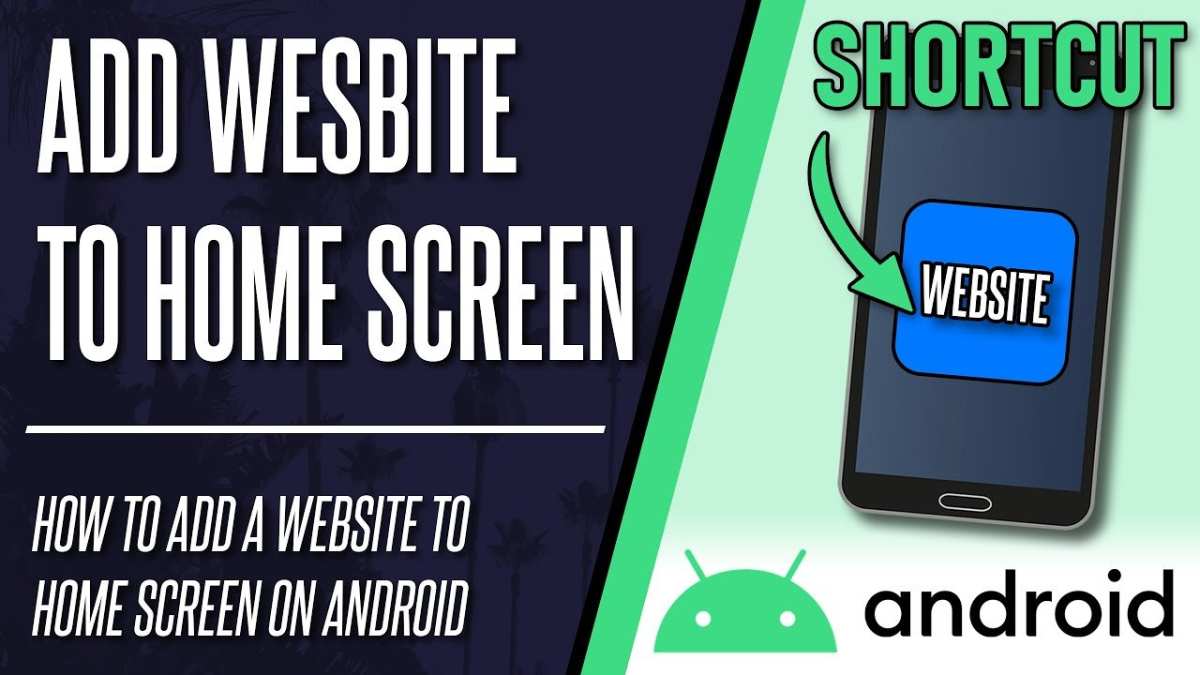
– Open Chrome and navigate to the website. – Tap the menu (three dots) in the top right corner. – Select “Add to Home screen.” – Edit the shortcut name if needed. – Confirm to add, and it appears on your home screen. This method works similarly across most browsers, including Firefox or Edge.Customizing Web Shortcuts
– Use icons or labels that match the website’s purpose. – Organize shortcuts into folders for easy navigation. These shortcuts save time and keep your browsing organized.Automating Tasks with Shortcuts and Widgets
For users wanting to perform multiple steps with one tap, automation apps like Tasker or IFTTT are your friends.Basic Automation with Tasker
– Install Tasker from Google Play. – Use templates or create your own profiles. – For example, you can set a shortcut that turns on Wi-Fi and opens a particular app. – Save the profile, then add its shortcut to your home screen. It helps turn complex routines into simple taps.Creating Custom Shortcuts with IFTTT
– Use IFTTT to connect your apps and services. – Set a trigger, such as arriving at a specific location. – Define an action, like sending a message or adjusting settings. – Add the generated shortcut to your home screen for easy access. These tools give your device advanced automation capabilities.Tips for Managing and Organizing Shortcuts
As you add more shortcuts, organization becomes key. – Use folders to group similar shortcuts. – Name shortcuts clearly for quick identification. – Keep your home screen clutter-free by removing rarely used shortcuts. – Use different pages or screens for different categories of shortcuts, like work or personal. Proper management enhances efficiency and keeps your device tidy.Final Advice for Making Effective Shortcuts on Android
– Think about the routines you perform most often. – Focus on creating shortcuts for these tasks to save time. – Experiment with third-party launcher apps for more customization. – Regularly review and adjust your shortcuts to keep your setup optimal. – Remember, a well-structured home screen improves your overall device experience. By understanding and utilizing these methods, you can personalize your Android device to work better for you, making everyday tasks faster and more enjoyable.Frequently Asked Questions
How can I add a shortcut for an app on my Android home screen?
To add an app shortcut, find the app in your app drawer. Tap and hold the app icon until the menu or home screen options appear. Drag the icon to your desired spot on the home screen and release it. This creates a quick access point to open the app directly from your home screen.
Is it possible to create a shortcut for a specific website on Android?
Yes, you can add a website shortcut by opening your preferred browser and navigating to the website. Tap the menu button (often three dots) and select “Add to Home screen” or “Add shortcut to home.” Adjust the name if needed, then confirm. The website icon will now appear on your home screen for easy access.
How can I customize existing shortcuts on my Android device?
You can customize your shortcuts by long-pressing the icon on your home screen. Depending on your device, options might include resizing, renaming, or changing the app icon. Some Android launchers allow further customization through their settings, enabling you to personalize shortcuts to suit your preferences.
What should I do if I cannot find the option to create a shortcut?
If the option isn’t available, ensure your device’s launcher supports shortcut creation. Some default launchers have limited features, so consider installing a different launcher from the Google Play Store that offers more customization options. Additionally, updating your device’s software or launcher app can enable new features.
Can I add shortcuts for specific functions within an app on Android?
Yes, some apps support creating shortcuts for specific features or actions. To do this, long-press the app icon, then check if options for specific actions appear. For example, you might see options for creating a shortcut to compose a new message or start a specific task. If not available, certain apps allow you to add custom widgets or shortcuts through their settings or by using third-party apps.
Final Thoughts
To make shortcuts on Android, start by long-pressing the app icon or widget you want to access quickly. Drag it to your desired location on the home screen. You can also create shortcuts for specific functions by selecting options from the app menu. This simple process helps you save time and access frequently used features effortlessly.
Similar Posts