How to Cast Android Screen on Laptop
How to Cast Android Screen on Laptop
With the increasing popularity of smartphones and the need for larger screens, many people are looking for ways to cast their Android screen onto their laptops. Whether you want to share your phone’s screen with others, play mobile games on a bigger display, or simply enjoy a more immersive experience, casting your Android screen on a laptop can be a useful and convenient feature. In this article, we will explore various methods and tools that allow you to cast your Android screen on a laptop.
Method 1: Using Third-Party Apps
One of the easiest ways to cast your Android screen on a laptop is by using third-party apps. These apps act as a bridge between your Android device and your laptop, allowing you to mirror your phone’s screen onto the larger display. Here are some popular third-party apps that you can use:
- ApowerMirror: ApowerMirror is a versatile screen mirroring app that supports both Android and iOS devices. It allows you to mirror your Android screen wirelessly or via USB, and offers additional features like screen recording and screenshot capture.
- TeamViewer: TeamViewer is a remote access and support software that also offers screen mirroring capabilities. It allows you to control your Android device from your laptop and mirror the screen in real-time.
- Scrcpy: Scrcpy is an open-source screen mirroring tool that works over USB. It provides a low-latency and high-performance mirroring experience, making it ideal for gaming and other resource-intensive tasks.
These apps usually require you to install a companion app on your Android device and a desktop client on your laptop. Once both apps are installed, you can connect your Android device to your laptop and start mirroring your screen.
Method 2: Using Built-in Screen Mirroring Features
Some Android devices come with built-in screen mirroring features that allow you to cast your screen onto other devices, including laptops. These features may vary depending on the manufacturer and model of your Android device, but they generally work by using technologies like Miracast or Chromecast. Here’s how you can use the built-in screen mirroring feature on some popular Android devices:
Google Pixel Devices
If you own a Google Pixel device, you can use the built-in screen mirroring feature called “Screen Cast.” Here’s how to enable it:
- Swipe down from the top of the screen to open the notification shade.
- Tap on the “Cast” button.
- Select your laptop from the list of available devices.
- Follow the on-screen instructions to complete the connection.
Samsung Galaxy Devices
Samsung Galaxy devices come with a feature called “Smart View” that allows you to mirror your screen. Here’s how to use it:
- Swipe down from the top of the screen to open the Quick Settings panel.
- Tap on the “Smart View” icon.
- Select your laptop from the list of available devices.
- Follow the on-screen instructions to complete the connection.
Other Android Devices
If your Android device doesn’t have a built-in screen mirroring feature, you can still use third-party apps like Google Home or AllCast to cast your screen. These apps work with a wide range of Android devices and offer similar functionality to built-in screen mirroring features.
Method 3: Using HDMI Cable
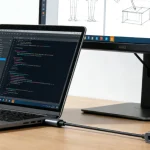
If you prefer a wired connection or your Android device doesn’t support wireless screen mirroring, you can use an HDMI cable to connect your phone to your laptop. Here’s how:
- Check if your laptop has an HDMI port. Most modern laptops have an HDMI port that allows you to connect external displays.
- Get an HDMI cable that matches the ports on your Android device and laptop.
- Connect one end of the HDMI cable to your Android device and the other end to your laptop’s HDMI port.
- Set your laptop’s display settings to extend or duplicate the screen.
Once the connection is established, your Android screen will be mirrored on your laptop’s display. This method provides a stable and reliable connection, making it suitable for tasks that require low latency and high-quality visuals.
FAQ
Q: Can I cast my Android screen on a Mac laptop?
A: Yes, you can cast your Android screen on a Mac laptop using third-party apps like ApowerMirror or TeamViewer. These apps have versions available for both Windows and macOS.
Q: Are there any limitations to screen mirroring?
A: While screen mirroring allows you to view your Android screen on a larger display, there are some limitations to consider. Screen mirroring may introduce some latency, especially when using wireless methods. Additionally, certain apps or content may not be compatible with screen mirroring due to copyright or DRM restrictions.
Q: Can I cast my Android screen on a laptop without an internet connection?
A: Yes, you can cast your Android screen on a laptop without an internet connection using methods like USB-based screen mirroring or HDMI cable connection. These methods rely on a direct connection between your Android device and your laptop, bypassing the need for an internet connection.
Conclusion
Casting your Android screen on a laptop can enhance your viewing experience and provide more flexibility in how you use your Android device. Whether you choose to use third-party apps, built-in screen mirroring features, or a wired connection, there are various methods available to suit your needs. By following the steps outlined in this article, you can easily cast your Android screen on a laptop and enjoy a larger display for gaming, presentations, or simply sharing content with others.

Similar Posts