Developing Scripts For Videos Or Podcasts

Developing scripts for videos or podcasts
Creating a compelling script is essential for producing engaging videos or podcasts. A well-structured script guides the speaker and keeps the audience interested. It also ensures that the message is clear and memorable. In this section, we will explore key steps to develop effective scripts that resonate with viewers and listeners.
Understanding your audience
Before writing a script, identify who your audience is. Knowing their interests, age group, and preferences helps tailor your content. This way, your message connects better and keeps them engaged throughout.
For example, if your audience is teenagers, use language and topics they relate to. If they are professionals, focus on informative and concise content. Understanding your audience shapes the tone, style, and length of your script.
Defining your goal and message
Clarify what you want your viewers or listeners to learn or feel after engaging with your content. Your script should have a clear goal, such as educating, entertaining, or inspiring. A focused message keeps your content on track and effective.
Write down the main points you want to cover and the key takeaways. This helps you stay organized and ensures your script delivers value to your audience.
Structuring your script for clarity
A good script follows a logical flow. Start with an engaging introduction, move into the main content, and finish with a strong conclusion. This structure helps listeners follow your message easily.
Use sections and subsections to separate ideas. Bullet points or numbered lists can organize information clearly and make it easier to read aloud or follow along.
Using conversational language
Write your script in a natural, conversational tone. Avoid complex sentences or technical jargon unless necessary. Think of your script as a friendly chat with your audience.
This approach makes your content more relatable and easier to understand. Incorporate contractions and simple words to keep the tone light and engaging.
Incorporating storytelling techniques
Stories capture attention and make your content memorable. Use personal anecdotes, examples, or hypothetical scenarios to illustrate your points. Stories create emotional connections and help clarify complex ideas.
For instance, share a success story related to your topic or pose a relatable problem that your audience might face. This technique keeps your audience interested and invested in your message.
Writing for different formats
The style of your script varies depending on whether you are creating a video or podcast. Videos allow for visual cues, so include prompts for gestures or visuals. Podcasts, being audio-only, require more descriptive language and sound cues.
Adjust your script to fit the format while maintaining clarity and engagement. For videos, include notes on scene changes or visual effects; for podcasts, use tone variations and sound effects to add interest.
Adding call-to-actions and engagement points
Encourage your audience to interact with your content. Include calls-to-action such as subscribing, commenting, or visiting a website. Pose questions to stimulate thinking and participation.
This strategy increases engagement and helps build a community around your content. Make these prompts natural and easy to follow within your script.
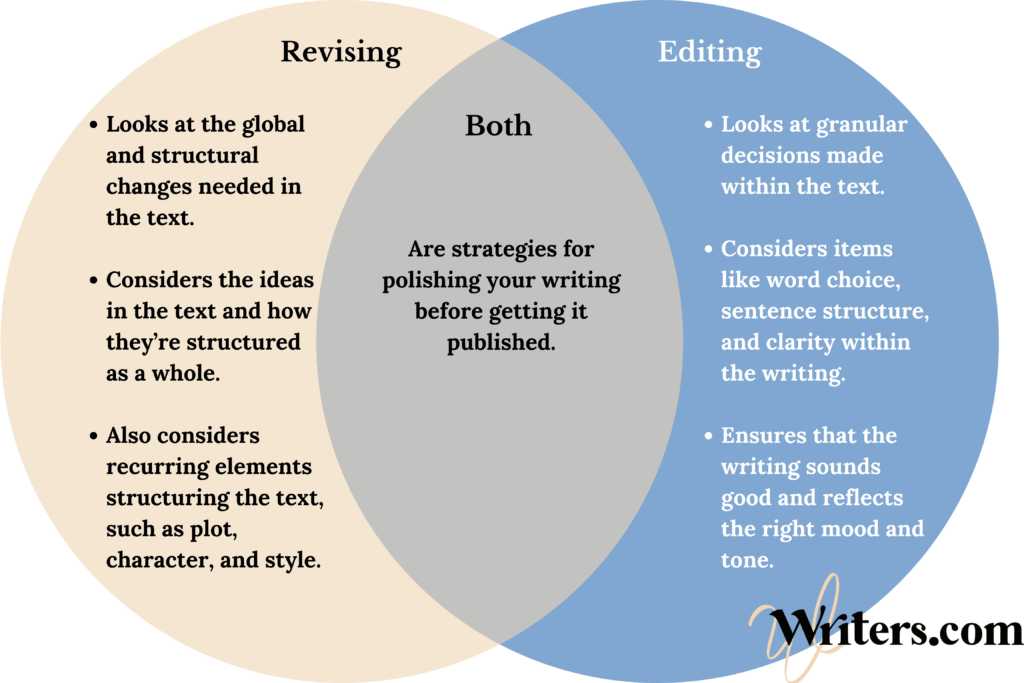
Revising and refining your script
Review your draft multiple times to remove redundancies and awkward phrasing. Read it aloud to check for flow and natural speech patterns. Editing ensures clarity and smooth delivery.
Ask a colleague or friend to review your script for feedback. Incorporate their suggestions to improve readability, tone, and overall effectiveness.
Using visual aids and cues
Visuals can support your script and enhance understanding. Think about slides, graphics, or props that complement your message. In your script, include cues for visual elements or transitions.
This approach helps keep your content dynamic and engaging, especially for videos where visuals are key to retention.
Planning for timing and pacing
Estimate how long each section of your script should take to deliver. Pacing is crucial to keep your audience interested without rushing. Aim for a comfortable speaking speed and natural pauses.
Use timers or practice readings to adjust your script accordingly. Proper pacing prevents fatigue and maintains viewer or listener attention.
Utilizing keywords for SEO and discoverability
Integrate relevant keywords naturally into your script to improve search engine rankings. Focus on phrases your audience might search for related to your content.
For example, include keywords like “video script writing,” “podcast scripting tips,” or “creating engaging content.” Doing this helps your content reach a broader audience online.
Final tips for successful script development
Stay flexible during scripting to adapt your content as needed. Be authentic and passionate; your enthusiasm engages your audience. Practice delivering your script to find a natural rhythm.
Remember, a good script is the foundation for an effective video or podcast. Spend time refining it to ensure your message is clear, engaging, and memorable.
Frequently Asked Questions
How can I ensure my script maintains audience engagement throughout the video or podcast?
To keep your audience engaged, incorporate compelling storytelling elements, introduce relatable anecdotes, and vary your tone and pacing. Use clear language and avoid information overload by breaking complex ideas into digestible parts. Regularly ask rhetorical questions or include intriguing hooks to maintain curiosity, and ensure your content aligns with your audience’s interests and expectations.
What are effective methods for organizing content within a script to improve clarity?
Start by outlining your main points and structuring them logically, typically following a beginning, middle, and end format. Use clear headings or sections to segment different topics, and transition smoothly between ideas with linking statements. Incorporate visual cues or prompts to guide delivery, and rehearse to identify areas needing clarification or better flow.
How can I tailor my script to suit different formats such as interviews, monologues, or panel discussions?
Adapt your script to match each format by adjusting your tone and interaction style. For interviews, prepare questions that prompt detailed responses and leave space for spontaneity. For monologues, focus on a conversational tone with engaging storytelling. In panel discussions, create a balanced script that assigns speaking points while allowing flexibility for interactions, ensuring each participant’s voice is emphasized appropriately.
Final Thoughts
Developing scripts for videos or podcasts ensures your message resonates clearly with your audience. Clear, concise scripting keeps content engaging and easy to follow. Focus on a strong opening and a compelling conclusion to leave a lasting impression. By planning your structure and practicing your delivery, you enhance the overall quality. Ultimately, well-crafted scripts form the backbone of successful multimedia content.
Similar Posts