Effective Android Battery Saving Settings To Extend Battery
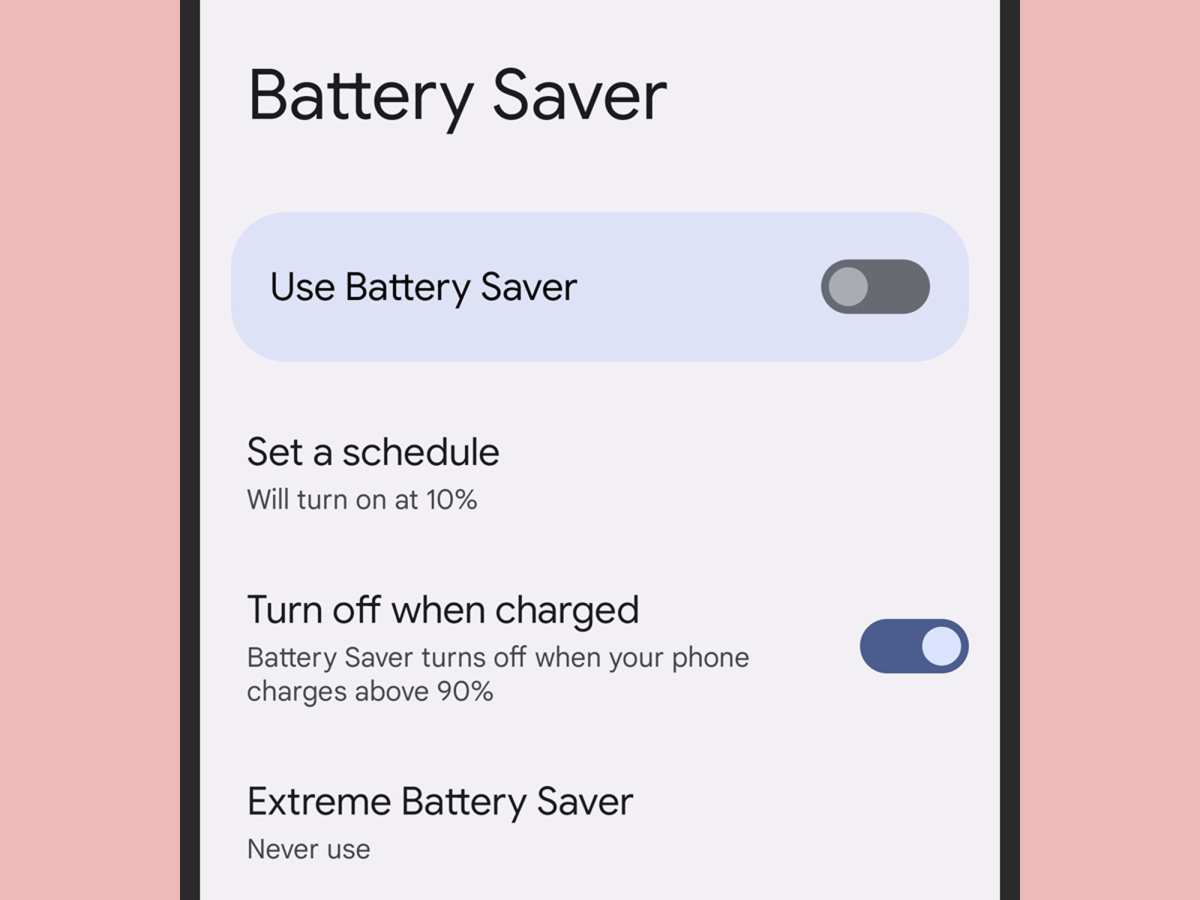
To extend your Android device’s battery life, adjusting your battery saving settings is key. **Turning on the battery saver mode instantly reduces background activity and optimizes power consumption.** Navigating to your settings and activating these options can make a noticeable difference.
Android battery saving settings are designed for quick, effective control. With just a few taps, you can manage which apps use energy and adjust display brightness, helping your battery last longer throughout the day.

Comprehensive Guide to Android Battery Saving Settings
Managing your Android phone’s battery life is a common concern. Whether you’re using your device all day or just need it to last through a busy schedule, the right battery saving settings can make a big difference. In this guide, we’ll explore various ways to optimize your Android device’s battery usage. From built-in settings to useful tips, you’ll learn how to extend your phone’s battery life effectively.
Understanding How Android Uses Battery Power
Before diving into specific settings, it helps to understand what drains your Android device’s battery. Several factors influence battery consumption:
- Display Brightness and Screen Timeout: The screen often consumes the most power, especially when brightness is high or the screen stays on longer.
- Background Apps: Apps running in the background can use data and CPU, leading to faster battery drain.
- Network Usage: Constant use of Wi-Fi, mobile data, or Bluetooth can consume significant energy.
- Location Services: GPS usage tends to drain the battery quickly when active continuously.
- Push Notifications and Syncing: Frequent syncs and notifications can require regular checks that drain power.
By understanding these contributors, you can make smarter choices about which settings to tweak.
Using Built-in Android Battery Saver Mode
Most Android devices come with a built-in Battery Saver mode designed to extend battery life by limiting background activity and reducing device performance. Here’s how to enable and customize this feature:
Activating Battery Saver Mode
Depending on your Android version, the steps may vary slightly, but generally:
- Open the Settings app on your device.
- Tap on “Battery” or “Battery & Device Care.”
- Select “Battery Saver” or “Power Saving Mode.”
- Toggle it on. Some devices may also have an option to turn it on automatically when the battery drops below a certain percentage.
Customizing Battery Saver Settings
You can often adjust what features get limited when the mode activates:
- Allow or restrict background activity for specific apps.
- Enable or disable visual effects and animations.
- Limit device performance to conserve energy.
Using the Battery Saver mode during low battery situations ensures your device lasts longer without sacrificing essential functions.
Adjusting Screen Brightness and Sleep Settings
Since the display consumes a significant part of your battery, optimizing its settings can have a notable impact.
Lower Screen Brightness
Reducing screen brightness helps conserve power:
- Set brightness to automatic to adjust quickly based on ambient light.
- Manually lower the brightness to the lowest comfortable level.
Reduce Screen Timeout Duration
The less time your screen stays on when not in use, the better:
- Navigate to Display settings.
- Find “Screen timeout” or “Sleep” and set it to 15 seconds or 30 seconds.
These simple changes prevent the screen from staying on unnecessarily and save power.
Managing Background Apps and Processes
Apps running in the background can quietly consume power, even when you’re not actively using them. Managing these apps helps reduce unnecessary energy drain.
Close Unused Apps Regularly
Make it a habit to close apps you are no longer using:
- Open the recent apps menu (usually by pressing the square or multitasking button).
- Swipe away or close apps you don’t need open.
Restrict Background Activity
Android allows you to control which apps can run in the background:
- Go to Settings > Apps & Notifications > See All Apps.
- Select the app you want to restrict.
- Tap on “Battery” or “Battery Usage.”
- Choose “Background restriction.”
- Set it to “Restricted” or “Disabled” to prevent background activity.
This method helps keep power-hungry apps from running unchecked.
Managing Connectivity Settings for Better Battery Life
Connectivity features like Wi-Fi, mobile data, Bluetooth, and GPS can drain your battery when left active unnecessarily.
Use Wi-Fi Instead of Mobile Data
Wi-Fi consumes less power than mobile data, so connect to Wi-Fi whenever possible:
- Turn on Wi-Fi in Settings or quick toggle.
- Disconnect from Wi-Fi when not in use.
Disable Bluetooth When Not in Use
Bluetooth consumes energy even when idle:
- Turn off Bluetooth in quick settings or Settings.
- Only enable Bluetooth when you need it for accessories.
Turn Off Location Services When Not Needed
GPS can be a power hog:
- Use “Battery Saving” mode in Location settings.
- Disable location services for apps that don’t need them.
- Switch to “Device Only” mode instead of “High Accuracy” when possible.
Managing Notifications and Sync Settings
Frequent notifications and constant syncing can lead to higher power consumption.
Limit Notifications
Turn off notifications for non-essential apps:
- Go to Settings > Apps & Notifications > Notifications.
- Disable notifications for specific apps or categories.
Adjust Auto-Sync Settings
Reduce how often your device syncs data:
- Navigate to Settings > Accounts > Account sync.
- Turn off auto-sync for apps/services that don’t need real-time updates.
By limiting these, your device will perform fewer background actions, saving significant battery power.
Other Useful Tips for Battery Conservation
Besides the major settings, these simple habits can also help extend your device’s battery life:
- Disable Wi-Fi, Bluetooth, and location when not in use.
- Ignore unnecessary app updates and downloads.
- Use dark mode or themes if supported—dark backgrounds consume less power on OLED screens.
- Regularly restart your device to clear out background processes.
- Keep your device updated, as software updates often include battery optimization improvements.
Implementing these small habits can make a noticeable difference in your device’s battery longevity.
Optimizing your Android device’s battery settings is an ongoing process. Regularly reviewing and adjusting settings according to your daily needs helps you maximize your device’s battery life efficiently. Whether it’s turning on Battery Saver mode, managing app activity, or simply reducing screen brightness, each step contributes to longer-lasting power. By understanding how your device uses energy and applying these practical tips, you can enjoy your Android phone for longer periods without constantly searching for the nearest charger.
Frequently Asked Questions
How can I extend my Android device’s battery life without using the power-saving mode?
You can extend your Android device’s battery life by reducing screen brightness manually, turning off Wi-Fi and Bluetooth when not in use, limiting background app activity, and avoiding use of resource-heavy apps. Additionally, setting your device to sleep or turn off the display sooner when idle helps conserve energy.
What are the benefits of customizing battery saving settings for specific apps?
Customizing battery settings for individual apps allows you to control which applications consume more power. You can restrict background activity for apps that are not essential, ensuring that important apps function smoothly while conserving energy from less critical ones.
Is it possible to automate battery saving settings on my Android device?
Yes, many Android devices offer automation options through built-in features or third-party apps. You can set routines to activate battery-saving modes at certain times, when battery levels drop below a threshold, or during specific locations, helping you manage power usage more efficiently.
Final Thoughts
In summary, adjusting your Android battery saving settings can significantly extend your device’s battery life. Enable battery saver mode when needed and limit background data to conserve power. Turn off unused features like Bluetooth and Wi-Fi to maximize efficiency. Focusing on these simple steps ensures your device stays charged longer and performs better throughout the day.

Similar Posts