Android Battery Better Than Iphone: Why It Outperforms In

Why Android Battery Performance Can Be Better Than iPhone Battery Life
When comparing smartphones, one of the main concerns for many users is battery life. People want their devices to last through the day without constant recharging. While iPhones are popular and known for their sleek design and seamless performance, many Android phones are catching up in battery performance, and in some cases, surpassing iPhone batteries. Let’s dive deep into why Android batteries can sometimes outperform iPhone batteries and what factors contribute to this difference.Understanding Battery Technologies in Android and iPhone
To grasp why Android phones can have better battery life, it helps to understand the core battery technologies used in both types of devices.Battery Capacity and Size
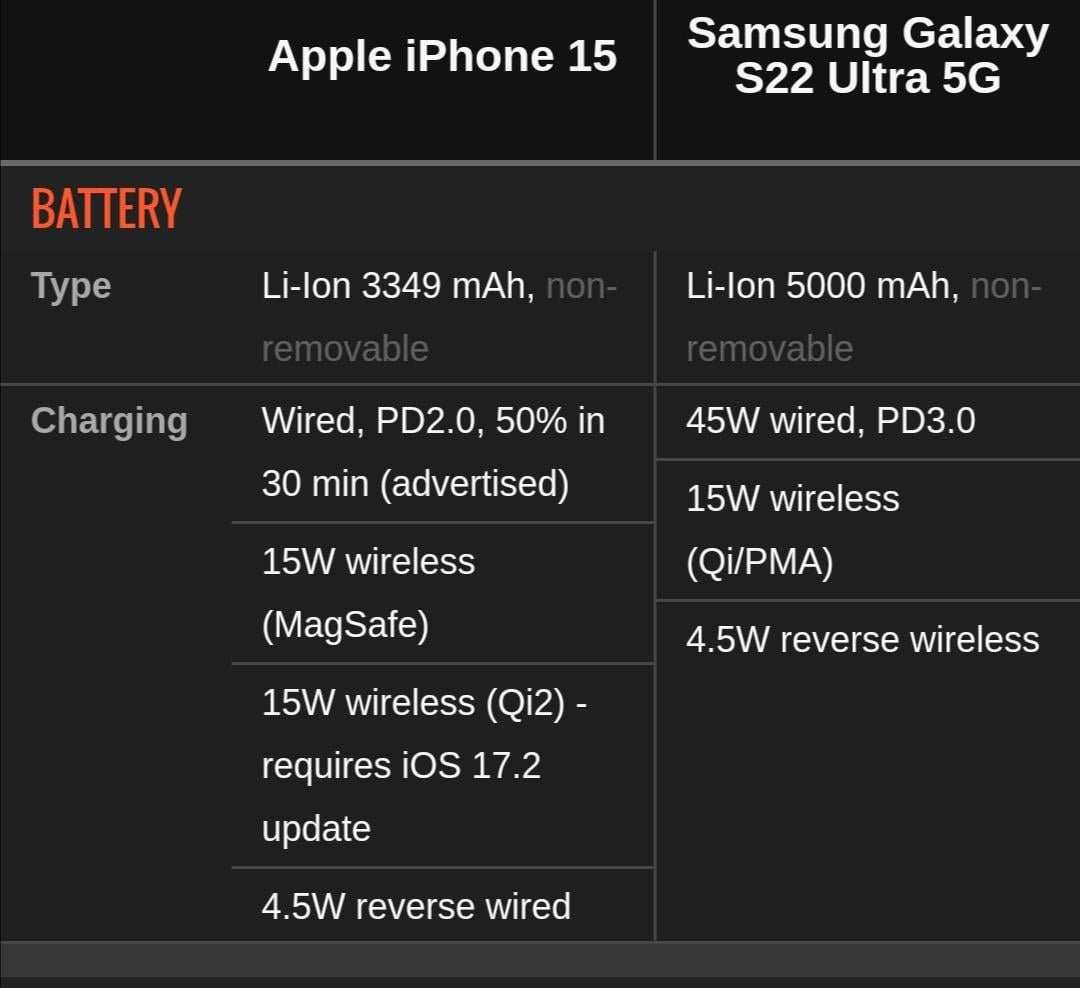
– Android phones typically come with larger batteries measured in milliampere-hours (mAh). – Larger batteries provide more power storage, which can directly lead to longer usage times. – Many Android manufacturers prioritize bigger batteries for devices aimed at heavy users.Battery Chemistry and Efficiency
– Both Android and iPhone use lithium-ion batteries, but some Android brands incorporate improved chemistries or custom solutions. – Battery efficiency depends on how well the hardware and software manage power consumption.Fast Charging and Wireless Charging
– Android devices often include advanced fast-charging technology, allowing users to recharge quickly when needed. – Wireless charging is also more common in Android phones, offering convenience without sacrificing battery health.Operating System Optimization and Power Management
The software running on a device plays a crucial role in battery efficiency.Android’s Power Management Features
– Android offers customizable power-saving modes, which can limit background activity, reduce screen brightness, and disable non-essential features. – Android OS frequently updates to improve battery health and optimize app management. – Developers are encouraged to build energy-efficient apps, which can extend battery life.iPhone’s iOS Power Management
– iOS also integrates smart power management, adjusting performance based on battery health and usage. – However, iOS is less customizable, making Android’s flexible options sometimes more effective for power savings in specific cases.Hardware Design and Display Technologies
The hardware choices impact how much power a device consumes.Screen Technology and Resolution
– Android phones often feature OLED or AMOLED screens, which consume less power when displaying dark images. – Many Android devices offer high-resolution displays, but adaptive brightness and contrast settings help save power.Processors and Chipsets
– Android manufacturers use energy-efficient chipsets like Snapdragon or MediaTek series. – These processors are designed to optimize performance while minimizing power drain.Battery Placement and Device Design
– Some Android phones have larger physical batteries due to bigger device sizes, leading to longer standby and usage times. – Optimized internal design minimizes energy loss and improves overall battery health.Customizability and User Control
One advantage Android has over iPhone is the level of control users have over their device’s system. This control can help extend battery life.Background App Management
– Android users can manually restrict or disable background apps that drain battery. – Some Android launchers offer detailed insights into app power usage, helping users make smarter choices.Adaptive Settings and Automation
– Features like adaptive brightness automatically adjust screen brightness for saving power. – Automation apps can turn off Wi-Fi, Bluetooth, or data during certain times, helping conserve energy.Additional Factors That Affect Battery Life
Beyond hardware and software, many other elements influence how long a battery lasts.Network Connectivity
– Constantly searching for a network signal can drain battery quickly. – Android phones with better signal strength management can outperform iPhones in battery endurance.Usage Patterns and User Habits
– Heavy use of gaming, video streaming, or navigation apps consumes more power. – Android devices with larger batteries can better handle these activities without needing frequent charges.Battery Age and Health
– All batteries degrade over time, reducing their capacity. – Android devices often provide clearer information about battery health, empowering users to take action or replace batteries when needed.Comparing Battery Life in Real-World Scenarios
When looking at practical usage, several real-life factors influence which phone lasts longer.Browsing and Social Media
– Android phones with larger batteries can often last longer through scrolling, chatting, and social media interactions. – Battery-efficient displays and processors also help in extending usage.Video Playback and Streaming
– Devices with OLED screens tend to consume less power during video playback, giving Android phones an edge here. – Fast charging features mean Android users can top up quickly if they run out of juice.Navigation and GPS Use
– GPS tracking drains batteries quickly; Android phones’ larger batteries and efficient chips help maintain navigation for longer periods.Summary: Why Android Battery Can Be Better Than iPhone
In summary, several key factors help explain why Android phones can sometimes have better battery life than iPhones:- Most Android phones come with larger battery capacities.
- Advanced hardware like energy-efficient processors and display types contribute to better power management.
- Android OS offers more extensive customization and power-saving options for users.
- Customizable features such as adaptive brightness, background app restrictions, and automation extend battery lifespan.
- Hardware design and optimized internal components reduce unnecessary power drain.
- Real-world usage scenarios often favor Android devices with larger batteries, especially during intensive activities.
Frequently Asked Questions
What factors contribute to longer battery life in some Android devices compared to iPhones?
Many Android smartphones feature larger batteries, enabling longer usage between charges. Additionally, Android manufacturers often include customizable power management settings and software optimizations that help reduce unnecessary background activity. Some Android models also adopt more energy-efficient processors and display technologies, resulting in better battery performance under similar usage conditions.
How does the variety of Android devices influence their battery performance compared to iPhones?
The extensive range of Android devices means that manufacturers can optimize hardware and software in different ways. Some Android phones prioritize battery longevity by integrating larger batteries, adaptive refresh rates, and efficient components. This diversity allows users to select devices that specifically cater to their needs for extended battery life, something that is less flexible with the uniform design of iPhones.
Can software updates improve Android battery performance more effectively than iOS updates?
Android updates often introduce improvements that optimize power consumption, manage background activities better, and enhance hardware efficiency. Since Android devices can vary widely, manufacturers frequently release tailored updates to maximize battery life on their specific models. While iOS updates also improve battery management, the varied hardware in Android devices allows for more targeted adjustments that can significantly boost performance.
How do display technologies impact the battery efficiency of Android phones versus iPhones?
Android phones typically incorporate a range of display technologies, such as OLED screens with adaptive refresh rates that adjust based on content. These features help reduce power usage significantly. Many Android manufacturers also implement energy-saving modes that optimize display brightness and refresh rates, leading to better battery efficiency compared to iPhones with fixed display parameters.
In what ways do user customization options on Android devices affect battery life compared to iPhones?
Android offers extensive customization options, allowing users to control app behavior, disable unnecessary services, and fine-tune power settings. These adjustments help conserve battery life by limiting background processes and reducing energy consumption. iPhones provide some customization but are more restricted, which limits users from tailoring their device’s power efficiency as extensively as on Android.
Final Thoughts
Android batteries often outperform iPhones due to larger capacities and more flexible power management options. Android devices typically allow users to customize battery-saving features easily, resulting in longer usage times. Additionally, Android phones offer swappable batteries, providing an alternative for extended use. Overall, Android battery better than iPhone is a key advantage for users seeking greater reliability and endurance from their smartphones.
Similar Posts