Why Do Some People Not Like Curved Monitors
Curved monitors offer an immersive viewing experience, but they aren’t for everyone. This guide delves into the reasons behind the dislike for curved displays, from potential distortion issues and limited viewing angles to desk space concerns and specific use-case limitations. We’ll help you understand the downsides to make an informed decision about whether a curved monitor is the right fit for your needs.  Now, let’s get to the heart of the matter. Despite their advantages, several factors contribute to people not liking curved monitors. These reasons often stem from practical considerations, specific professional needs, and simply personal preference.
  One of the most significant reasons some users, particularly professionals, shy away from curved monitors is the potential for perceived distortion.
  While curved monitors are often praised for immersion, this advantage can sometimes come with a trade-off for viewing angles, especially with ultrawide displays.
Why Do Some People Not Like Curved Monitors
In the world of computer displays, curved monitors have carved out a significant niche. They promise a more immersive, eye-catching experience, drawing you into your games and media like never before. But despite their growing popularity, curved monitors aren’t universally loved. You might have heard friends or colleagues express a preference for flat screens, or perhaps you’ve encountered a curved display and felt… underwhelmed. So, what’s the deal? Why do some people not like curved monitors? This guide is here to demystify the reasons behind this sentiment. We’ll break down the common criticisms and concerns surrounding curved displays, helping you understand if these drawbacks might affect your own user experience. By the end of this article, you’ll have a clearer picture of why a flat monitor might still be the better choice for certain individuals and specific use cases.Key Takeaways
- Potential Distortion for Certain Tasks: For professions requiring precise straight lines, like graphic design or CAD, the curvature can introduce perceived distortion.
- Limited Ultrawide Viewing Angles: While wider, the curve can actually decrease the optimal viewing angle for off-center viewers compared to a flat panel.
- Desk Space Requirements: Curved monitors, especially ultrawide ones, often have a larger physical footprint and may not fit well on smaller desks.
- Reflections and Glare Issues: The curved surface can sometimes concentrate reflections, making glare more problematic in certain lighting conditions.
- Cost and Availability: Historically, curved monitors could be more expensive, and the selection might be more limited compared to standard flat displays.
- Personal Preference and Adaptation: Ultimately, a significant factor is individual preference; some users simply don’t enjoy the aesthetic or the feeling of a curved screen.
Understanding the Appeal of Curved Monitors
Before we dive into the dislikes, it’s helpful to briefly touch upon why curved monitors are appealing in the first place. The primary selling point is immersion. The curve is designed to wrap around your field of vision, creating a more enveloping visual experience, especially with ultrawide aspect ratios. This can enhance the sense of depth in games and make watching movies feel more cinematic. Curved monitors are also often touted for their perceived reduction in eye strain. The idea is that the curve helps to keep the entire screen within your natural field of vision, minimizing the need for your eyes to constantly refocus as they move across a flat surface. This can theoretically lead to more comfortable extended viewing sessions. If you’re considering a curved monitor for gaming, it’s worth exploring what is the best monitor size for gaming to ensure optimal immersion without sacrificing comfort.The Downsides: Why Some People Don’t Like Curved Monitors
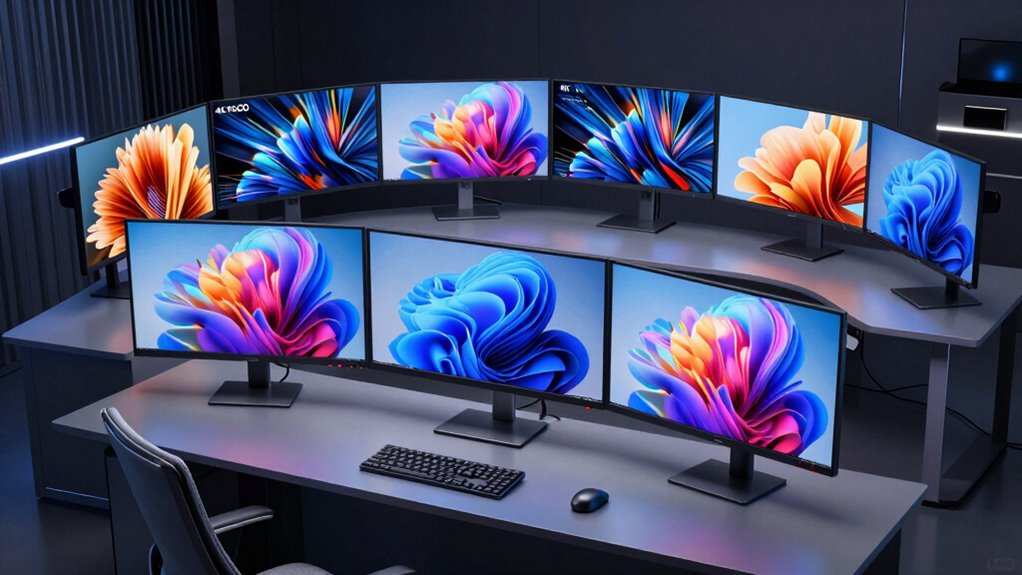
Visual guide about Why Do Some People Not Like Curved Monitors
1. Perceived Distortion for Certain Tasks
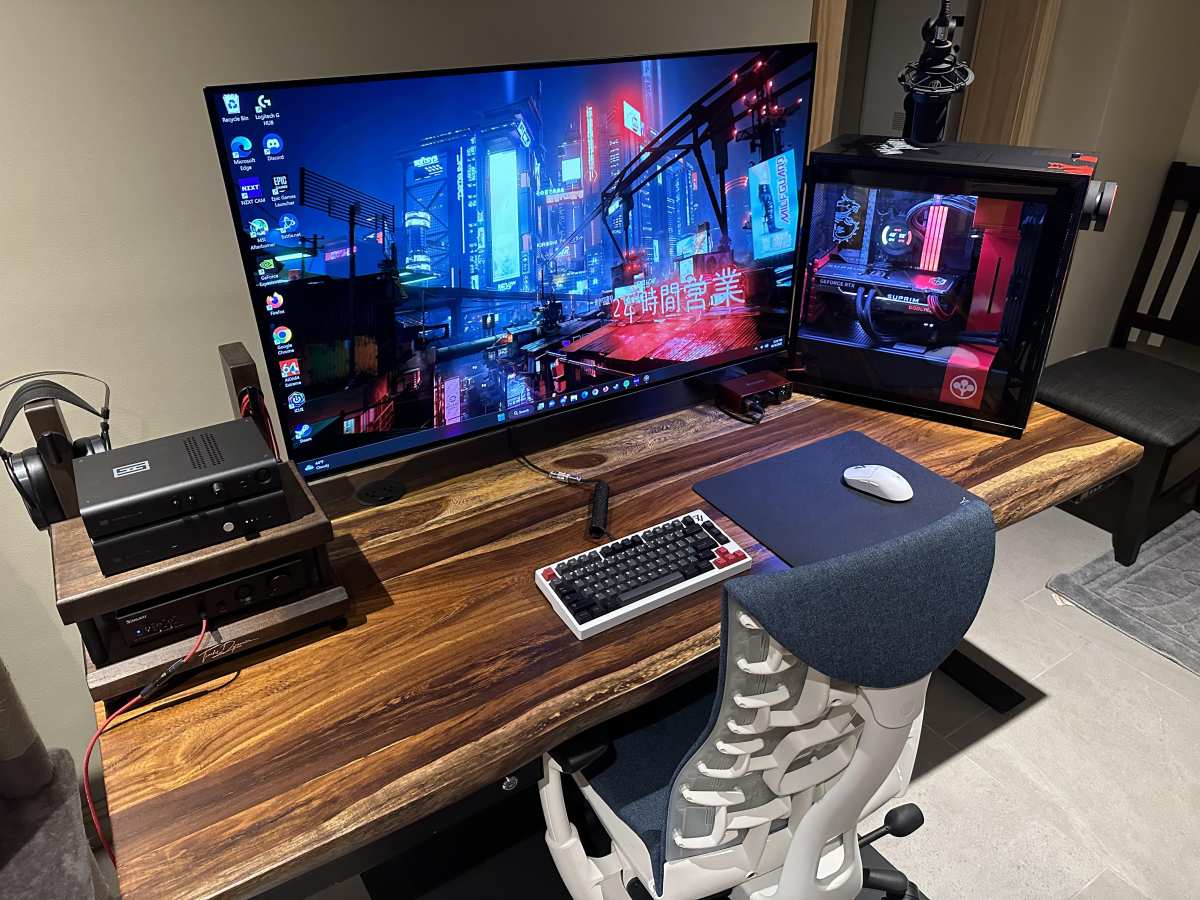
Visual guide about Why Do Some People Not Like Curved Monitors
Graphic Design and Image Editing
For individuals working in graphic design, photography, or any field where absolute color accuracy and straight lines are paramount, the curvature can be a deal-breaker. When viewing straight lines on a curved surface, they can appear slightly bent or warped from certain angles. While the human brain is remarkably good at compensating for this, for professionals who rely on precise measurements and perfect linearity (like rulers or grid lines in design software), this subtle distortion can be a source of frustration and inaccuracies. They may prefer the predictable flatness of a traditional monitor. For photo editors considering ultrawide displays, it’s important to weigh these concerns against the benefits—check out are ultrawide monitors good for photo editing for a detailed breakdown.CAD and Architectural Work
Similarly, in computer-aided design (CAD) or architectural modeling, where drawing precise straight lines and angles is fundamental, a curved monitor can introduce subtle inaccuracies. While modern monitors are highly calibrated, the physical curve itself can create a visual anomaly that is undesirable for highly technical and precision-oriented work.Example:
Imagine a graphic designer trying to align two elements with perfectly straight edges. On a curved monitor, those edges might look slightly bowed inwards, making precise alignment more challenging than on a flat panel where lines remain consistent across the surface.2. Limited Ultrawide Viewing Angles
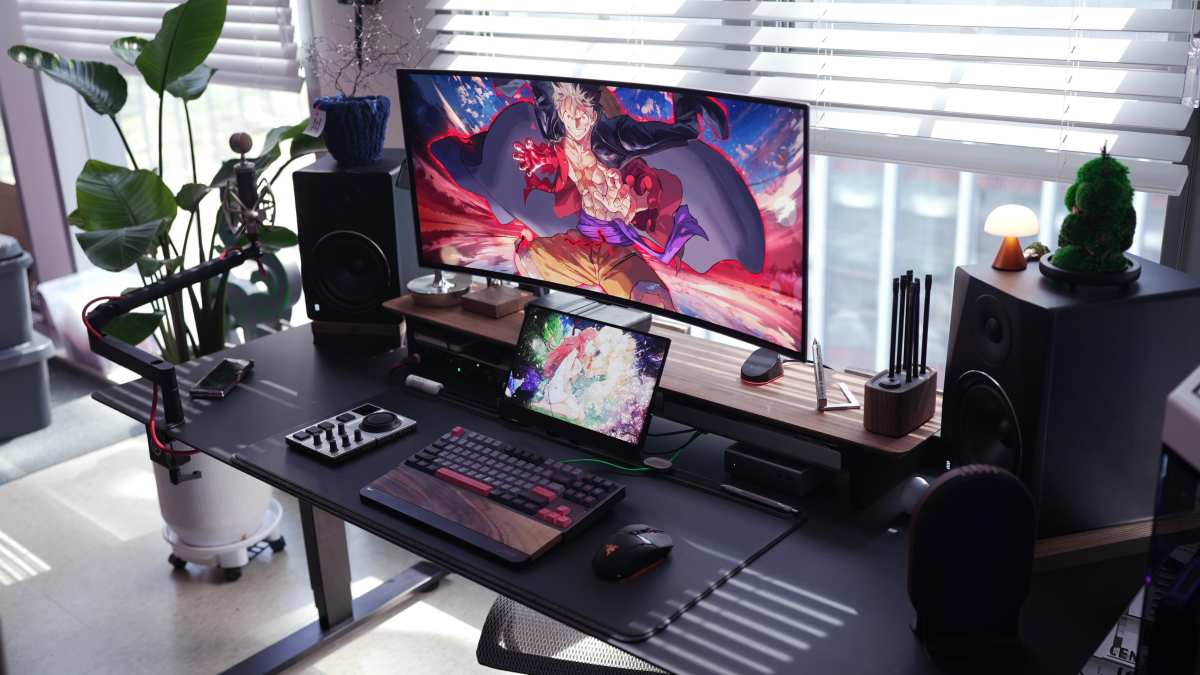
Visual guide about Why Do Some People Not Like Curved Monitors
Off-Center Viewing
With a flat ultrawide monitor, someone sitting slightly to the side can still see a good portion of the screen relatively clearly. However, on a curved ultrawide monitor, the curve means that parts of the screen are angled away from a viewer not directly in the center. This can result in washed-out colors, reduced contrast, or a generally less clear image when viewed from an angle.Multiple Viewers
If you often have people watching content on your monitor with you, or if you collaborate with colleagues by sharing your screen, a curved display might not be ideal. The immersive experience is maximized when you are directly in front of the center of the curve. Anyone off to the side might feel excluded from the optimal viewing experience.Practical Tip:
If you frequently share your screen or have multiple people watching, consider how important an off-center viewing experience is. For such scenarios, a flat monitor often provides a more equitable viewing experience for everyone.3. Desk Space Requirements and Mounting Challenges
The physical dimensions of curved monitors, especially their ultrawide variants, can present challenges for users with limited desk real estate.Larger Footprint
Curved monitors often have a larger physical footprint than their flat counterparts, even if the diagonal screen size is the same. This is because the curve extends outwards, requiring more depth on your desk. An ultrawide curved monitor can significantly dominate your workspace.Mounting Limitations
Mounting a curved monitor can also be more complicated. While many monitors come with VESA mounts, the curvature can sometimes affect how well a monitor arm grips the display or how it sits flush against a wall mount. Some specialized mounts might be needed, or the mounting process might be less straightforward than with a flat panel.Troubleshooting Desk Space Issues:
If desk space is a concern, consider a monitor arm that can extend and retract, allowing you to pull the monitor closer when in use and push it back when not. Alternatively, look for models with slimmer stands or ensure your desk is deep enough to accommodate the monitor’s curve. For more insights, read about how much desk space an ultrawide monitor needs to plan your setup effectively.4. Reflections and Glare Issues
The shape of a curved monitor can sometimes exacerbate reflections and glare.Concentrated Reflections
Instead of spreading reflections across a flat surface, the curve of a monitor can sometimes concentrate light sources into more intense spots. This can be particularly problematic if you have a window or a bright lamp behind you. The way the light bounces off the curved surface might feel more distracting than it would on a flat screen.Variable Glare
The angle of the curve can also mean that glare changes depending on your viewing position. While it might reduce glare from certain angles, it could increase it from others. This variability can be annoying if you move around your desk frequently or if your room’s lighting conditions change.Practical Tip:
To mitigate glare, try adjusting your monitor’s position, tilting it slightly, or using a monitor hood. Investing in an anti-glare screen protector can also help, though their effectiveness can vary on curved surfaces. Positioning your light sources strategically is key.5. Cost and Availability
Historically, curved monitors have often been positioned as premium products. This means that, at times, they could be more expensive than comparable flat-screen monitors.Higher Price Point
While the price gap has narrowed considerably in recent years, you might still find that a curved monitor with similar specifications to a flat model comes with a higher price tag. This is due to the added complexity of manufacturing curved panels.Limited Selection
In some product categories or for specific resolutions and refresh rates, the selection of curved monitors might be more limited compared to the vast array of flat-screen options available. This can make it harder to find the exact specifications you need in a curved format.Example:
If you’re on a tight budget and looking for a 27-inch 144Hz 1440p monitor, you might find more budget-friendly options in the flat-screen category than among curved models.6. Personal Preference and Adaptation
Ultimately, a significant reason why some people don’t like curved monitors boils down to personal preference and the user’s ability or willingness to adapt.The “Weird” Feeling
Some users simply don’t enjoy the feeling of looking at a curved display. It can feel unnatural or distracting, especially when first transitioning from a flat screen. The visual distortion, even if minor, might bother them on a subconscious level.Aesthetic Considerations
The aesthetic of a curved monitor can also be a factor. Some prefer the clean, minimalist look of a flat screen, while others might find the curve visually intrusive.Adaptation Period
Most people who initially dislike curved monitors can adapt over time. Their eyes and brain adjust to the curvature. However, for those who don’t enjoy the adaptation process or find the initial discomfort outweighs any perceived benefits, a flat monitor remains the preferred choice.Example:
A gamer who has only ever used flat screens might try a curved monitor and feel disoriented. They might miss the familiar, predictable visuals of a flat panel and return to what feels “normal” to them.7. Specific Use Cases Where Flat is Better
Beyond the general points, there are specific scenarios where a flat monitor is undeniably superior.Multi-Monitor Setups
If you run a multi-monitor setup, especially for productivity or gaming where you want monitors side-by-side, flat panels are generally much easier to align. Trying to create a seamless bezel-less experience with curved monitors can be challenging due to their shape. While some curved monitors can be placed next to each other, the transition between screens is usually more jarring than with flat panels.Virtual Reality (VR) Headsets
While VR headsets use curved lenses, the display screens inside them are flat. This is because the lenses are designed to bend and focus the image, and a flat screen allows for optimal control over this process. Curved displays inside VR headsets would introduce unwanted distortions.Color Calibration and Consistency Across Multiple Displays
For professional colorists or users who meticulously calibrate multiple monitors to match perfectly, flat panels offer a more consistent baseline. The curvature introduces an extra variable that can complicate the calibration process, especially when trying to achieve a uniform look across different displays.Conclusion: Making the Right Choice for You
So, why do some people not like curved monitors? The reasons are varied, ranging from practical concerns about distortion and desk space to the subjective experience of viewing angles and personal preference. For professionals in fields demanding pixel-perfect precision, the potential for distortion might be a deal-breaker. For those with limited desk space or who frequently share their screen, the physical footprint and viewing angle limitations can be problematic. And for many, it simply comes down to what feels most comfortable and natural to them. Curved monitors offer a compelling, immersive experience, and for many users, especially gamers and movie enthusiasts, they are a fantastic choice. However, they are not a one-size-fits-all solution. By understanding these common drawbacks, you can make a more informed decision about whether a curved monitor truly aligns with your needs, your workspace, and your personal preferences. If any of these points resonate with you, don’t hesitate to consider a high-quality flat-screen monitor. The “best” monitor is always the one that enhances your productivity and enjoyment.
Similar Posts