Why Are Some Apps Not Working On My Android
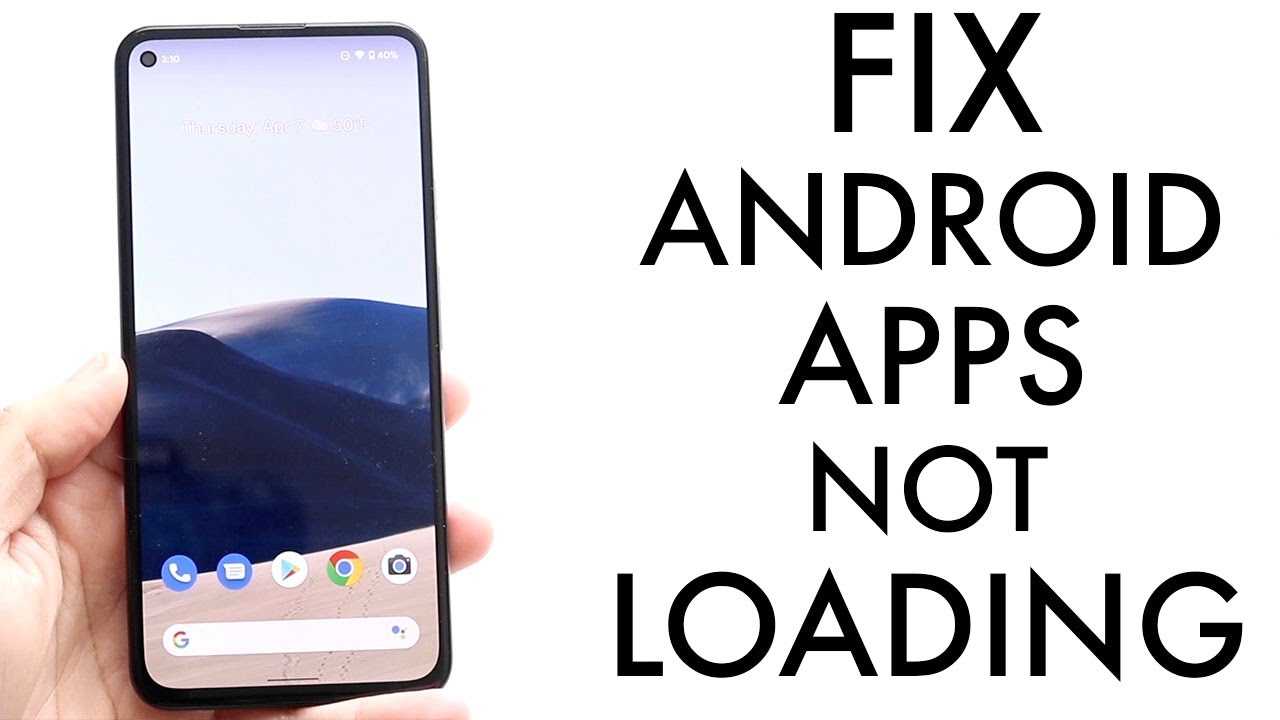

Why Are Some Apps Not Working on My Android?
Understanding Common Reasons Behind App Failures
Many Android users face the frustrating problem of some apps not opening or crashing unexpectedly. This issue can be caused by various factors, including software bugs, outdated apps, or device limitations. Knowing the cause helps you find the right solution quickly.Software Compatibility Problems
Apps are designed to work with specific versions of Android. If your device runs an older version, newer apps may not work properly. Compatibility issues can cause apps to crash or refuse to open. Always check the app’s requirements before downloading.Outdated Apps and Operating System
Running outdated apps or an old Android system can lead to app malfunctions. Developers update apps to fix bugs and add features, so using the latest versions improves stability. Keep your apps and device software current for best performance.Device Storage and RAM Issues
Insufficient storage space can prevent apps from working correctly. When the device runs low on storage, apps may freeze or close unexpectedly. Similarly, a lack of RAM (Random Access Memory) can cause slow performance and app crashes.How to Check and Free Up Storage
Go to your device’s Settings, then Storage. Remove unused apps, clear app cache, or delete unnecessary files to free space. Maintaining enough free storage helps apps run smoothly.Managing RAM Usage
Close background apps and unnecessary processes to free up RAM. Use built-in device management tools or third-party apps to optimize memory usage, reducing crashes and improving responsiveness.App Cache and Data Corruption
Corrupted cache or app data can cause unexpected app behavior. Clearing cache or resetting app data often resolves issues without needing to uninstall the app.Steps to Clear Cache and Data
Access Settings, then Apps or Applications. Select the problematic app, then choose Storage. Tap Clear Cache or Clear Data. Restart the app to check if the issue is resolved.Internet Connection and Network Problems
Many apps rely heavily on internet access. Poor or unstable network connections can lead to app failures, especially for streaming, social media, or online gaming apps.Testing Your Connection
Switch between Wi-Fi and mobile data to see if the app works better. Restart your router or toggle airplane mode. Ensuring a stable internet connection can prevent app errors.App Updates and Compatibility Fixes
Developers release updates to fix bugs and improve performance. Using outdated app versions increases the chance of crashes and incompatibility issues.Why Regular Updates Matter
Updates fix known bugs, enhance security, and add new features. Always update your apps from the Google Play Store to ensure compatibility and functionality.How to Update Apps Manually
Open Google Play Store, tap your profile icon, then Manage apps & devices. Find and update the apps with pending updates. Enable auto-update for seamless improvements.Device Software Updates and Compatibility
Operating system updates include security patches and system improvements that support better app performance. Missing these updates can cause app failures.Checking for System Updates
Go to Settings, then System or About Phone, and tap System Updates. Install any available updates to keep your device compatible with the latest apps.Third-Party App Conflicts and Security Software
Security apps or other third-party software might interfere with app functioning. Sometimes, these tools block app permissions or cause conflicts.Identifying and Resolving Conflicts
Try disabling or removing security apps temporarily. If the app works, adjust security settings or permissions accordingly. Always keep security software updated.App Permissions and Settings
Incorrect permissions can prevent apps from functioning properly. Ensuring apps have the necessary permissions helps prevent errors.Managing App Permissions
Navigate to Settings > Apps > [App Name] > Permissions. Enable the required permissions, such as camera, microphone, or location, for the app to work properly.Reinstalling Problematic Apps
Uninstalling and reinstalling apps can resolve persistent issues caused by corrupted files or incomplete installations.Steps to Reinstall Apps
Long-press the app icon, select Uninstall. Then open the Google Play Store, search for the app, and install it again. Reinstalling often fixes issues that other solutions can’t.Factory Reset and Last Resort Solutions
If nothing else works, a factory reset can solve deep software problems. However, it deletes all data, so back up your important information first.When to Consider a Factory Reset
Use this option only when multiple troubleshooting steps fail. It refreshes your device’s software and eliminates lingering bugs that may cause app issues.Performing a Factory Reset
Go to Settings > System > Reset options > Factory data reset. Follow on-screen instructions carefully to reset your device and restore it to factory settings.Preventing Future App Issues
Regular maintenance and updates help keep your device healthy and apps functioning smoothly. Always keep backups of important data, and avoid installing apps from untrusted sources.Best Practices for App and Device Maintenance
Regularly clear cache, update apps and system software, and uninstall unused applications. Use security software and avoid downloading apps from third-party stores.Keeping Your Android Device Safe and Up-to-Date
Enable automatic updates, back up your data, and only install apps from the Google Play Store. Staying proactive prevents many common app problems.Related Topics
- How to Improve Android Device Performance
- Best Apps for Optimizing Your Phone
- Understanding Android Permissions and Security
- How to Manage Storage on Android
Apps Won’t Open on Android? Try These Steps to Fix Apps Not Opening, Crashing or Not Working
Frequently Asked Questions
What should I do if certain apps keep crashing on my Android device?
If an app keeps crashing, start by closing the app completely and reopening it. Check if there is an available update for the app in the Google Play Store, as updates often fix bugs. If the problem persists, clear the app’s cache and data through your device settings. Restart your device and try launching the app again. If the issue continues, uninstall and reinstall the app to ensure you have a fresh copy.
Why do some apps not open or load properly on my Android phone?
Apps may not open correctly if your device’s software is outdated. Update your Android system to the latest version available. Also, ensure your internet connection is stable, especially for apps that require online access. Sometimes, app conflicts or insufficient device storage can prevent apps from opening. Free up space by deleting unnecessary files or apps, and consider disabling other apps running in the background to improve performance.
Could device permissions be causing certain apps to malfunction?
Yes, limited or denied permissions can cause apps to behave unexpectedly or cease to work. Check the app permissions in your device settings and grant necessary permissions such as access to camera, microphone, or storage. Be cautious not to grant permissions that the app does not require for its basic functionality. Updating the app may also reset permissions, so verify them after updates.
What role does storage space play in app performance issues?
If your device runs low on storage space, apps might become unresponsive or fail to operate as intended. Free up space by deleting unused apps, clearing app caches, or removing unnecessary files. Adequate storage ensures apps can store data properly and run smoothly. Regular maintenance of storage helps prevent performance issues related to insufficient space.
How can I resolve compatibility issues between my device and certain apps?
Compatibility problems often occur when your device runs an outdated operating system or the app requires a higher version. Check the app’s requirements in the Google Play Store and update your device to meet them. Additionally, some apps may not support specific hardware features or configurations, so reviewing app specifications can help identify potential incompatibilities. If issues persist, consider reaching out to app developers for further support.
Final Thoughts
In summary, why are some apps not working on my android? Often, app issues stem from outdated software, insufficient storage, or poor internet connections. Restarting your device or updating the app can resolve many problems quickly. Ensuring your system is current and freeing up space ensures smoother app performance. Addressing these common causes helps you enjoy your apps without frustration.
Similar Posts