Visiting A Technician If Battery Is Swollen Or Damaged For
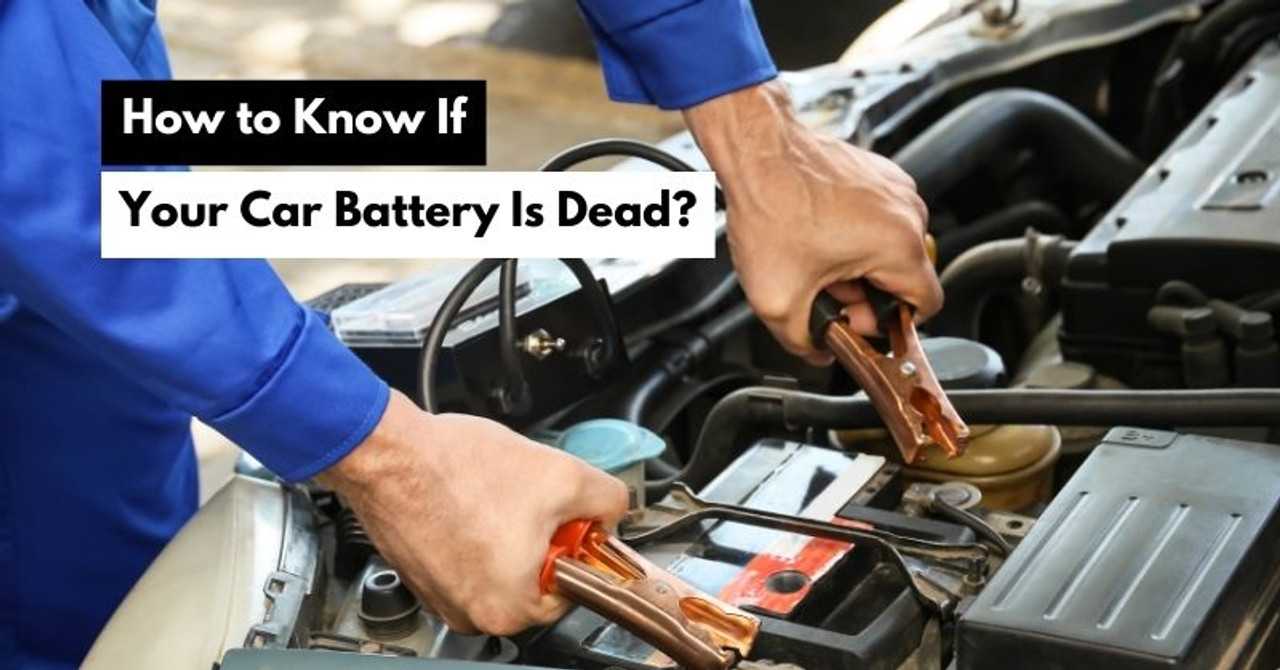

Visiting a technician if battery is swollen or damaged
Understanding the Significance of a Swollen or Damaged Battery
A swollen or damaged battery is not something to ignore. It can pose serious safety risks, such as fires or explosions. Recognizing the signs early can prevent accidents and costly repairs later. A swollen battery typically looks puffed up or bulging. Damaged batteries may leak, emit strange odors, or show visible cracks. These signs indicate that the battery’s internal components are compromised. Batteries are made to store energy safely, but damage can disrupt this balance. When they swell or crack, chemicals inside might leak out, making handling dangerous. It is essential to take action immediately.Why You Should Not Attempt to Fix a Swollen Battery Yourself
Trying to repair or force a swollen battery back into shape is risky. These batteries contain hazardous chemicals that can cause burns or fires if mishandled. DIY repairs can worsen the damage or cause the battery to rupture unexpectedly. Experts have the right tools and training to handle such situations safely. Always seek professional help when dealing with damaged batteries. Most importantly, improper handling can lead to environmental hazards due to chemical leaks. Protect yourself and others by leaving repairs to qualified technicians.What Happens During a Battery Inspection?
When you visit a technician for a swollen or damaged battery, they perform a thorough inspection. This process helps determine the severity of the damage and the next steps. Technicians start by visually examining the battery for signs of swelling, leakage, or cracks. They may also check for unusual odors or discoloration. Next, they use specialized tools like multimeters and battery testers to evaluate the battery’s health. This involves measuring voltage, internal resistance, and other key parameters. The technician may also perform a physical test to determine if the battery still holds a charge or if it has become unusable. This comprehensive evaluation ensures an accurate diagnosis.Steps a Technician Takes After Identifying a Damaged Battery
Once the damage is confirmed, the technician follows strict safety protocols. These include wearing protective gear such as gloves and goggles. Next, they carefully disconnect the battery from the device or vehicle, avoiding any punctures or sudden movements. Proper disposal methods are crucial at this stage. The technician will then typically remove the damaged battery and transport it to a designated recycling facility. This prevents environmental contamination and further hazards. If the battery is still functional but swollen, the technician may advise replacing it immediately. They can also suggest safe charging practices to prevent future issues.How to Prepare for a Battery Replacement Appointment
Before visiting a technician, gather all relevant information about your device. Note any symptoms like decreased battery life or unusual behavior. Ensure your device is fully charged or turned off, depending on the manufacturer’s recommendations. This facilitates a smooth inspection process. It is helpful to remove any case or accessories that might obstruct access to the battery. Providing the technician with as much detail as possible will speed up the assessment. Arriving early for your appointment allows the technician to dedicate sufficient time to thoroughly examine and address the issue.What to Expect During the Replacement Process
Battery replacement involves careful removal of the damaged unit and installation of a new one. The technician uses specialized tools designed for your device type. Depending on the device, the process can take anywhere from a few minutes to an hour. They will ensure the new battery is compatible and properly installed. After replacement, the technician will test the device to confirm the new battery functions correctly. They also verify that the device charges and operates normally. They might provide tips on charger use and maintenance to prolong the life of your new battery. Proper handling helps prevent future swelling or damage.Safety Tips When Handling Damaged Batteries
Always wear protective gloves and goggles when dealing with a swollen or leaking battery. Avoid touching leaked chemicals directly. Do not attempt to puncture or disassemble a damaged battery. This can release toxic substances and cause fires. Store the damaged battery in a fireproof container, away from flammable materials. Keep it out of reach of children and pets. If the battery leaks or catches fire, use a fire extinguisher suitable for electrical fires. Never pour water directly on a battery fire. Consult with a professional for proper disposal. Many recycling centers accept damaged batteries, ensuring safe handling.How to Prevent Future Battery Damage
Regular maintenance can keep batteries healthy longer. Avoid exposing devices to extreme heat or cold, which can accelerate swelling. Use chargers recommended by the device manufacturer. Overcharging or using incompatible chargers increases the risk of damage. Monitor your battery’s health, especially if you notice reduced runtime or unusual behavior. Replace batteries before they become critically damaged. Keep your device and batteries away from moisture and chemicals. Proper storage and handling reduce the likelihood of swelling. Stay updated on recalls or safety notices related to your device’s batteries. Acting swiftly can prevent accidents or damage.Environmental Impact and Proper Disposal of Damaged Batteries
Damaged batteries contain toxic chemicals that can harm the environment if disposed of improperly. Always follow local regulations for disposal. Many communities offer special collection sites or hazardous waste disposal programs. Never throw damaged batteries in regular trash. Recycling prevents the chemicals inside from contaminating soil and water sources. It also allows valuable materials to be recovered and reused. By properly disposing of damaged batteries, you help protect public health and conserve natural resources. Make it a habit to recycle batteries whenever possible. Seeing a swollen or damaged battery is a clear sign that professional intervention is needed. Handling these batteries yourself can be dangerous, so seeking expert help is always safest. Technicians are trained to evaluate the damage accurately, dispose of the hazardous materials responsibly, and replace batteries properly. Their expertise minimizes risks and ensures your device operates safely. Maintaining good battery habits and promptly addressing damage can extend battery life and prevent accidents. Prioritize safety, proper handling, and environmental responsibility every step of the way.Inside swollen phone battery……… operation lets see
Frequently Asked Questions
What are the immediate safety steps to take if I notice my battery is swollen or damaged?
If you observe swelling or damage to your battery, stop using the device immediately to prevent further hazards. Avoid charging or handling the device excessively. Keep the device away from flammable materials and place it on a non-flammable surface. It is crucial to ventilate the area and contact a professional technician promptly for guidance on safe disposal or repair.
How can I identify if a battery is sufficiently damaged to require professional intervention?
Signs of significant damage include noticeable swelling, leaks, corrosion, or a foul smell coming from the device. If the device feels unusually hot or emits strange noises, these indicate serious issues. In such cases, do not attempt to repair or open the device yourself. Seek help from a qualified technician who can assess and handle the battery safely.
What are the risks of ignoring a swollen or damaged battery and continuing to use the device?
Continuing to use a swollen or damaged battery can lead to dangerous situations, such as overheating, fires, or explosions. The compromised battery may also cause the device to malfunction or lose data. To ensure safety, it is best to stop using the device immediately and get the battery inspected or replaced by a professional technician.
Should I attempt to replace the damaged battery myself or seek a professional service?
Replacing a swollen or damaged battery involves risks, including exposure to harmful chemicals and potential fire hazards. It is safer to have a trained technician handle the replacement. Professionals have the proper tools and knowledge to remove and replace batteries correctly, reducing the risk of accidents and ensuring proper disposal of the damaged battery.
How can I prevent my device’s battery from swelling or getting damaged in the future?
Prevent battery damage by avoiding overcharging, using only compatible chargers, and keeping the device away from extreme temperatures. Handle the device carefully to prevent physical shocks. Regularly inspect the battery for signs of wear or damage and replace it promptly if needed. Following manufacturer instructions can also extend the battery’s lifespan and safety.
Final Thoughts
Visiting a technician if battery is swollen or damaged is crucial for safety. Swollen batteries can leak harmful substances or even cause fires if ignored. Promptly seeking professional help prevents further damage to your device and ensures your safety. Never attempt to repair or puncture a swollen battery yourself. In summary, addressing issues early by visiting a technician if battery is swollen or damaged keeps you safe and preserves your device’s functionality. Always prioritize professional assistance in such situations.
Similar Posts