How To Make Your Own App For Free Android In Simple Steps
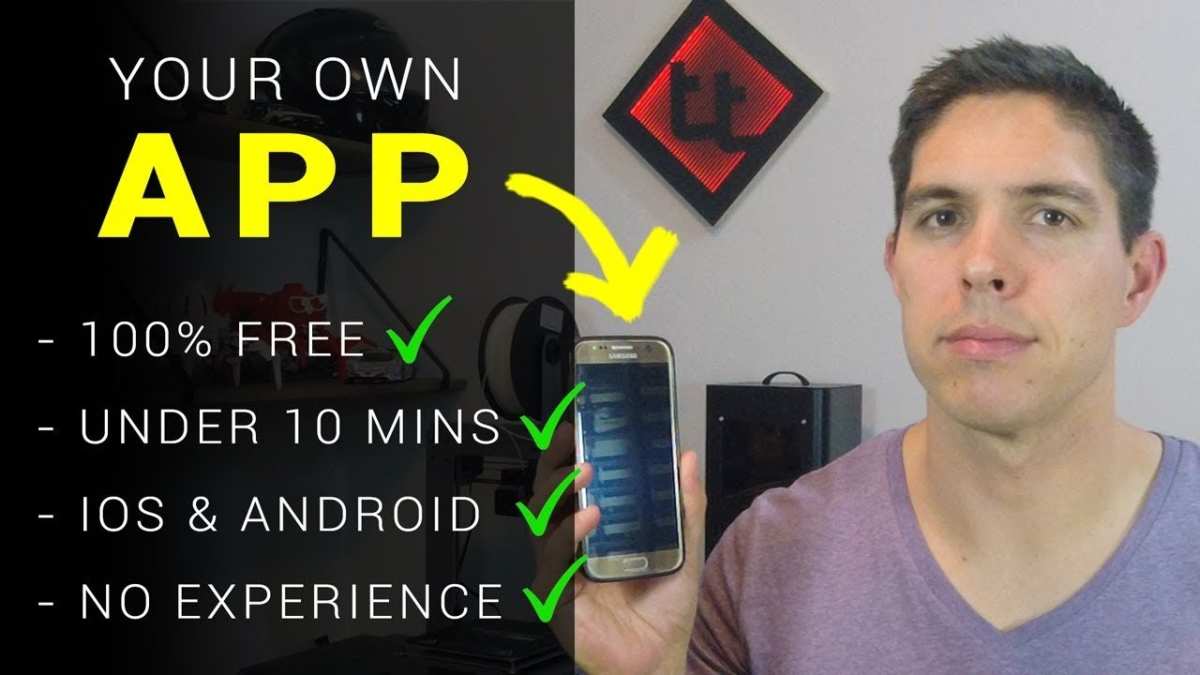

How to Make Your Own App for Free Android
Creating your own Android app might seem complicated at first, but with the right tools and a simple guide, anyone can do it for free. Whether you’re a student, a hobbyist, or just someone curious about app development, this guide will walk you through each step in a clear, easy-to-understand way. No coding experience? That’s okay! We’ll focus on user-friendly options that don’t require programming skills and give you tips on designing an app that looks great and works well. Let’s explore the key aspects of making your own Android app for free, from choosing the right tools to publishing it on the Google Play Store. By the end of this article, you’ll know exactly how to create an app that you can share with friends, family, or even the world.Why Create Your Own Android App?
Before diving into how to make your app, it helps to understand why creating one can be a good idea.- Express Your Creativity: Making an app lets you turn your ideas into a real thing that people can use.
- Learn New Skills: You develop new tech skills, including basic coding and design skills.
- Share Your Passion: Whether you love cooking, gaming, or fitness, create an app around your interests.
- Build a Portfolio: If you want a career in tech, having your own apps can boost your resume.
Choosing the Right Free App Builder for Android
The first step to creating an Android app for free is choosing a platform that fits your needs. There are many online app builders designed specifically for beginners that require no coding.Popular Free App Builders
| Name | Features | Best For |
|---|---|---|
| Thunkable | Drag-and-drop interface, live testing, publishing options | Beginners who want to build simple or semi-complex apps |
| AppGyver | Advanced features, supports complex apps, visual programming | People with some tech experience wanting more control |
| MIT App Inventor | Easy to learn, block-based coding, good tutorials | Students and absolute beginners |
| MIT App Inventor 2 | Updated version, supports multimedia, user interface design | Beginners with interest in learning fundamentals |
Factors to Consider When Choosing a Platform
- Ease of Use: Is the tool beginner-friendly or more complex?
- Features: Does it support the features you want, like buttons, images, or GPS?
- Learning Resources: Are there tutorials and support to help you get started?
- Publishing Options: Can you easily publish your app on Google Play Store?
- Cost: Is it completely free or are there hidden fees?
Designing Your App Without Coding
Most free app builders offer drag-and-drop tools that let you design your app visually. You don’t need to write code!Planning Your App Layout
Start with a simple plan:- What is the main goal of your app?
- What pages or screens will it have?
- What buttons, images, or text do you want to include?
Adding Elements to Your App
Using your chosen platform, add components like:- Buttons: To navigate or perform actions
- Images: To make your app colorful and lively
- Text boxes: For instructions or information
- Input fields: To collect data from users
Customizing Your App’s Look
Make your app attractive:- Change colors to match your theme
- Pick fun fonts for titles and buttons
- Arrange items so everything is easy to see and tap
Adding Functionality Without Coding
Many platforms use visual programming blocks—think of them like puzzles or Lego pieces—that can be connected to add functions.Basic Features You Can Add
- Navigation: Move between screens with a tap
- Display Messages: Show alerts or instructions
- Collect Data: Gather input from users, like names or preferences
- Play Sounds or Videos: Make your app more lively
Testing Your App During Development
Always test as you go:- Most platforms offer live preview features
- You can also install an app on your Android device to see how it works
Publishing Your App to Android
Once your app looks good and works well, it’s time to share it with others.Final Checks Before Publishing
- Test your app on different devices if possible
- Make sure all features work properly
- Write a clear description of what your app does
- Pick attractive icons and screenshots
Creating a Google Play Developer Account
Publishing on Google Play requires an account:- You need a Google account
- Register at the Google Play Console
- Pay a small one-time fee of $25
Uploading Your App
Follow these steps:- Fill out your app’s details (name, description, category)
- Upload your app file (APK file)
- Set your app’s privacy and content policies
- Publish!
Tips for Improving Your App and Getting More Users
Creating your app is just the beginning. Here are simple ways to make it better and reach more people.- Ask for Feedback: Listen to users and improve your app based on their suggestions
- Update Regularly: Fix bugs and add new features to keep users engaged
- Promote Your App: Share it on social media, websites, or among friends
- Optimize for Search: Use keywords in your app’s description so people find it easily
Summary
Making your own Android app for free is accessible and fun. Choose an easy-to-use platform, plan your design, add features visually, test thoroughly, and then publish on Google Play. Keep your app simple, engaging, and updated, and you’ll be proud to share what you’ve created. Remember, starting with small projects can lead to bigger ideas. Keep experimenting, learning, and most of all, have fun building your app!Frequently Asked Questions
What are some free platforms to create an Android app without coding experience?
Platforms like MIT App Inventor, Thunkable, and AppGyver offer user-friendly interfaces that allow you to build Android apps without any coding knowledge. These tools provide drag-and-drop components, making it easy to design your app visually. They also include tutorials and templates to help you get started quickly.
How can I test my app on an Android device before publishing it?
You can test your app directly on your Android device by exporting the app as an APK file and installing it manually. Many app builders offer a preview mode or a live testing feature that lets you see how your app functions on a real device in real time. Using these methods ensures your app works correctly before submission to app stores.
Are there any limitations when creating a free Android app?
Free app development tools often have restrictions such as limited customization options, branding from the platform, or maximum storage capacity. Additionally, some advanced features might require a paid plan. However, for basic apps or initial prototypes, these limitations usually do not pose a significant hurdle.
What steps should I follow to publish my app on the Google Play Store for free?
First, create a developer account on the Google Play Console, which requires a one-time fee. Next, prepare your app by ensuring it meets Google’s guidelines, and then generate a signed APK or App Bundle. Finally, upload your app to the Play Store, fill out the necessary details, and submit it for review. Once approved, your app becomes available for download.
Can I update or modify my app after publishing it for free?
Yes, most free app builders allow you to make changes and update your app even after publishing. You can modify features, fix bugs, or improve the design, then re-upload the updated version through the platform. This process helps keep your app current and responsive to user needs.
Final Thoughts
Créer votre propre application Android gratuitement est tout à fait possible avec des outils en ligne accessibles. Utilisez des plateformes conviviales qui ne nécessitent pas de compétences en codage, comme AppGyver ou MIT App Inventor. Suivez les étapes simples pour concevoir, personnaliser et tester votre app. En résumé, apprendre comment faire votre propre app pour free Android devient accessible grâce à ces outils. Ils offrent une façon pratique et efficace de réaliser votre projet sans dépenser d’argent. Commencez dès aujourd’hui et voyez votre idée prendre vie rapidement.
Similar Posts