How To Make Your Own Android App Without Coding Free
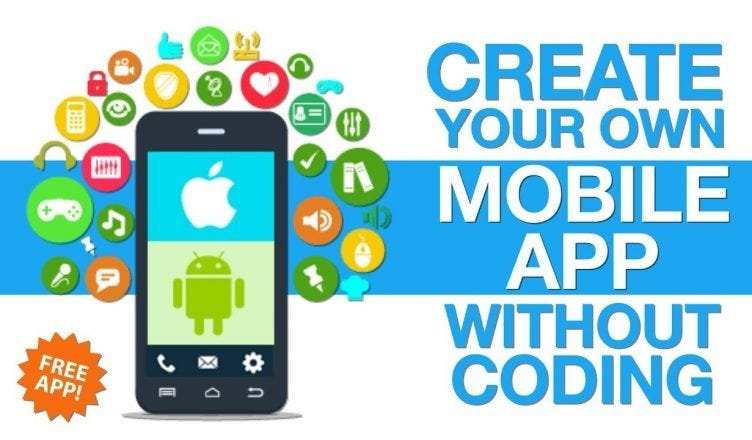

How to Make Your Own Android App Without Coding for Free
Creating your own Android app might sound complicated, especially if you don’t know how to code. However, thanks to many free tools and platforms available today, anyone can build an app without writing a single line of code. Whether you want to start a small business, share your hobby, or create something fun for your friends, making an app without coding becomes easier than ever. In this guide, we’ll walk you through the entire process step-by-step, providing detailed information, tips, and resources to help you succeed.Understanding the Benefits of Building an App Without Coding
Before diving into the how-to, let’s explore why creating an Android app without coding makes sense:- No programming skills needed: You don’t have to learn complex languages like Java or Kotlin.
- Free options available: Many platforms offer free plans or trials for beginners.
- Fast development process: You can turn your ideas into an app within hours or days.
- User-friendly interfaces: Drag-and-drop features simplify the creation process.
- Perfect for small projects: Great for portfolios, hobbies, or testing ideas.
Selecting the Right Free App Builder Platform
The first step in making an Android app without coding is choosing a platform that fits your needs. Here are some of the most popular free or freemium app builders:Thunkable
– **What it is:** A visual app builder with a drag-and-drop interface. – **Features:** Supports integrations with APIs, custom logic, and live testing. – **Limitations in free plan:** Some features, branding, and publishing options may require upgrading.MIT App Inventor
– **What it is:** A free project developed by MIT, perfect for beginners. – **Features:** Block-based programming that’s easy to learn. – **Limitations:** Mostly suited for simple apps and educational purposes.Appgyver
– **What it is:** A versatile platform supporting complex apps with a visual builder. – **Features:** Rich design options, logic flows, and data integrations. – **Limitations:** Slight learning curve for more advanced features.Kodular
– **What it is:** An easy-to-use platform based on MIT App Inventor. – **Features:** Many components, extensions, and visual programming tools. – **Limitations:** Free plan includes branding, but you can remove it for a fee. When selecting a platform, consider the following: – What type of app do you want to create? – Do you need to connect to APIs or databases? – How much customization do you want? – Is ease of use your priority? Experiment with a few options using free plans before settling on one.Planning Your App Before Building
A smooth app development journey starts with good planning.- Define your app’s purpose: What do you want your app to do? Is it a game, a business tool, or a personal project?
- Identify your target audience: Who will use your app? Think about their age, interests, and needs.
- Create a simple wireframe: Sketch your app’s layout on paper or use online tools. This helps visualize the screens, buttons, and features.
- List the features: Write down what your app should do — for example, send notifications, add user login, display images, or provide links.
- Gather your resources: Prepare images, icons, or text content needed for your app.
Building Your Android App Step-by-Step
Once you choose a platform and plan your app, it’s time to build! Here’s a general process that applies across most app builders:Creating the Project
– Sign up for your chosen platform. – Start a new project and set basic details like your app’s name and icon. – Choose the type of app you’re building (e.g., single page, multi-screen).Designing the User Interface
– Drag and drop UI components such as buttons, images, text boxes, and menus. – Customize colors, fonts, and layout to match your style. – Use preview features to see how your app looks on different devices.Adding Functionality with Visual Blocks
– Use visual programming blocks to define what happens when users tap buttons, slide, or interact. – For example, to make a button open a website, drag a “when button clicked” block and connect it to a “open URL” block. – Build logic for navigation, data entry, and other interactions.Connecting Data and APIs
– Some platforms allow integration with databases or external APIs. – Use pre-built components to connect your app to Google Sheets or other data sources. – This step enables dynamic content and real-time updates.Testing Your App
– Use built-in testing tools or live preview options to check functionality. – Test your app on multiple devices if possible. – Fix any bugs or design issues you encounter.Publishing Your App
– Once satisfied, follow the platform’s instructions to generate an APK file. – Some platforms allow direct publishing to Google Play Store; others require manual submission. – Note that some features or publishing may require a paid plan, but initial versions can often be shared directly.Tips for Making Your App Better and More Engaging
To ensure your app is user-friendly and appealing, consider these tips:- Keep it simple: Avoid clutter and focus on core features.
- Use clear icons and labels: Make navigation intuitive.
- Optimize for mobile: Test how your app displays on various screen sizes.
- Include instructions: Provide brief info on how to use your app.
- Gather feedback: Ask friends or potential users to test it and suggest improvements.
Common Challenges and How to Overcome Them
Building an app without coding can sometimes come with hurdles. Here are some common issues and solutions:Limited customization options
– Many free platforms have a set of templates and components. To get more flexibility, consider exploring platform extensions or combining features creatively.Publishing restrictions
– Free plans may restrict direct publishing. Use shareable links or test versions until you’re ready to upgrade or find alternative ways to release your app.Learning curve
– Spend time exploring tutorials and community forums. Most platforms offer excellent support resources.Performance issues
– Keep your app lightweight by limiting heavy media or complex logic. Optimize images and avoid unnecessary features.Additional Resources and Tools
Here are some useful resources to help you get better at making Android apps without coding:- YouTube tutorials: Many creators share step-by-step guides for platforms like Thunkable and MIT App Inventor.
- Online forums and communities: Join groups related to app building to ask questions and share your progress.
- Design tools: Use free tools like Canva to create icons and images for your app.
- Template libraries: Many platforms provide free templates to jump-start your project.
Summary
Building a free Android app without coding is not only feasible but also accessible for everyone. By selecting the right platform, planning carefully, and following the step-by-step approach, you can turn your idea into a functional app in no time. Keep experimenting, learning, and refining your app to make it engaging and useful. Remember, the key is to start simple and gradually add features as you gain confidence. With some patience and creativity, you can create a personalized app that serves your goals and delights your users.Frequently Asked Questions
What are some user-friendly platforms to create an Android app without coding?
Several platforms make app creation accessible without coding experience. Tools like MIT App Inventor, AppGyver, and Thunkable offer drag-and-drop interfaces that allow you to design and build Android apps easily. These platforms typically provide tutorials and community support to help you get started quickly.
How can I add custom features to my app without programming knowledge?
Most no-code app builders include pre-built modules and integrations that enable you to add features like forms, maps, notifications, and media uploads without writing code. Simply select the desired feature from the platform’s library and configure it according to your needs, often through simple menus or settings.
Is it possible to publish my app directly from these free tools?
Yes, many free app-building platforms allow you to export your app files or publish directly to app stores. After designing your app, you can generate the APK file needed for Android devices or proceed through the platform’s publishing process, which often guides you through submitting your app to the Google Play Store.
What are the limitations of creating an Android app without coding for free?
While free no-code tools provide quick access to app creation, they may impose constraints such as limited customization options, branding restrictions, or a cap on the number of downloads. To access advanced features or remove branding, you might need to upgrade to paid plans.
How can I test my app on an Android device before publishing?
Most no-code platforms offer preview features that let you test your app directly on your Android device. You can download an app viewer or scanner QR codes generated by the platform to run your app in real time, identify issues, and make adjustments before publishing.
Final Thoughts
Pour créer votre propre application Android sans coder gratuitement, utilisez des plateformes conviviales comme AppGyver ou MIT App Inventor. Ces outils offrent des interfaces intuitives pour concevoir des apps sans programmation complexe. Il suffit de choisir un modèle, personnaliser le contenu et tester l’application directement sur votre téléphone. En résumé, comment faire votre propre android app sans coding free devient accessible grâce à ces outils gratuits. Suivez simplement ces étapes pour réaliser votre projet rapidement et efficacement.
Similar Posts