How To Make Txt File On Android In Easy Steps

How to Make a TXT File on Android
Creating a text file on your Android device is easier than many people think. Whether you want to jot down quick notes, organize your ideas, or save important information, knowing how to make a TXT file can save you time and keep your data neatly stored. In this guide, we’ll walk through simple steps, explore different methods, and provide useful tips so you can confidently create and manage TXT files on your Android device.Understanding What a TXT File Is
Before diving into how to make a TXT file, let’s clarify what it is. A TXT file, also called a plain text file, stores text information without any formatting like bold, italics, or font changes. It is a simple and lightweight file type that can be opened on almost any device, making it perfect for notes, lists, or basic data storage. People use TXT files for:- Writing quick notes
- Saving code snippets
- Storing lists or data
- Sharing simple information without formatting
Why Creating TXT Files on Android Is Useful
Knowing how to create TXT files on your Android opens up many possibilities. Here are some reasons why it’s beneficial:- Easy to carry around: Since TXT files are small, they don’t take up much space.
- Simple editing: You can quickly add, delete, or modify text without complicated tools.
- Compatibility: TXT files open on nearly all devices and apps, so sharing your notes becomes effortless.
- Organization: Storing your notes or lists in TXT files helps keep your data organized and accessible.
Using Built-in Notes App to Make a TXT File
Many Android devices come with a pre-installed Notes or Text Editor app. These apps are straightforward and perfect for creating quick TXT files.Steps to Create a TXT File Using Your Notes App
- Open your device’s Notes or Text Editor app.
- Tap the plus icon (+) or New Note button to start a new note.
- Type your text content into the blank note.
- Once done, look for the Save option, usually represented as a floppy disk icon or a menu option.
- Choose a name for your file and select the location where you want to save it – often, you can choose internal storage or a specific folder.
- If the app allows, you can select the file type as “.txt” when saving; if not, it might save as a different format, but you can later convert or open it as a TXT file.
Making a TXT File with File Manager Apps
Another practical way to create TXT files involves using file manager apps that help you navigate your device’s storage and create new files directly.Popular File Manager Apps
- ES File Explorer (note: some versions may have ads or require permissions)
- Files by Google
- Solid Explorer
- FX File Explorer
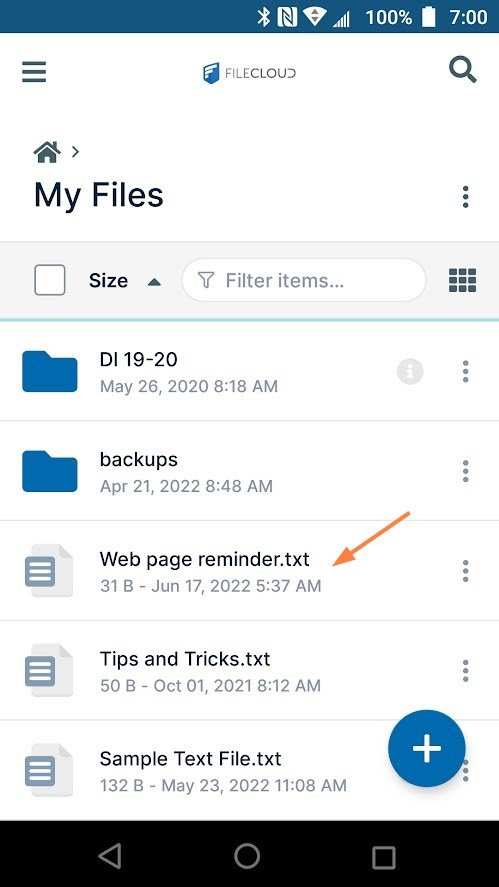
Steps to Create a TXT File Using a File Manager
- Open your preferred file manager app.
- Navigate to the folder where you want to save your TXT file—this could be your internal storage or an SD card.
- Look for a menu button or the three-dot icon to find options like “New” or “Create File.”
- Select “Create New File” or a similar option.
- Name the file with a “.txt” extension, for example, “notes.txt”.
- Tap “Save” or “OK,” and your new text file will be created.
- Open the file using any text editor app to add or edit your content.
Using Free Text Editor Apps for Advanced Features
If you need more options, like syntax highlighting for code or more formatting tools, free text editor apps are excellent choices.Recommended Text Editors for Android
- JotterPad
- QuickEdit Text Editor
- Microsoft Notepad (part of Microsoft Office apps)
- Writer Plus
How to Create and Save TXT Files in a Text Editor
- Download and install a text editor app from the Google Play Store.
- Open the app and select “New Document” or similar option.
- Type your text into the editor.
- Look for the save icon or menu option; tap on it.
- Name your file, ensuring you add “.txt” at the end.
- Choose the folder where you want to store the file, then tap “Save.”
Cloud-Based Methods to Create TXT Files on Android
If you prefer working in the cloud, online services like Google Docs or Microsoft OneDrive make it simple to create TXT files and access them across devices.Using Google Docs
- Open the Google Docs app on your Android device.
- Tap the plus icon (+) or “Blank” to start a new document.
- Type your notes or data.
- Tap the three-dot menu or “More” options.
- Select “Download,” then choose “Plain text (.txt)” as the format.
- Your TXT file will be downloaded to your device or saved in your Google Drive, depending on your settings.
Additional Tips for Managing TXT Files on Android
Making a TXT file is only part of the process. Here are some tips to keep your files organized and easy to access:- Store your TXT files in dedicated folders such as “Notes” or “Text Files” for quick access.
- Rename your files with meaningful names to find them easily later.
- Use cloud services if you want to access your files across multiple devices.
- Back up important TXT files regularly to prevent data loss.
Frequently Asked Questions
What tools can I use to create a text file directly on my Android device?
You can use various applications available on the Google Play Store such as Google Keep, Notepad++, or simple text editors like Jotter. These apps allow you to create and save text files easily without needing a computer. Install one that suits your needs, open the app, and start typing to create your text file directly on your Android device.
How do I save a text document on Android without using third-party apps?
If you prefer not to use additional apps, you can use the built-in Google Docs or Google Keep apps to create and save text files. Simply open either app, create a new document or note, and then save it within the app. You can export or share your document as a plain text file if needed. This method leverages tools already available on most Android devices.
Can I create a text file using my phone’s file manager?
Yes, some Android file managers support creating new text files directly. Open your file manager app, navigate to the desired folder, select the option to create a new file, and name it with a .txt extension. If your current app doesn’t support this, consider installing a file manager that provides more file management options, like Solid Explorer or Files by Google.
Final Thoughts
To make a txt file on Android, start by opening a simple text editing app like Google Keep or any note-taking app. Tap the plus icon to create a new note, then save or export it as a .txt file if the option is available. Alternatively, use a file manager app to create a new text document directly. Ensure your file is named properly and saved in a convenient location. You can then open, edit, or share this file anytime. Knowing how to make txt file on Android helps organize information quickly and efficiently.
Similar Posts