How To Make The Phone Faster On Android: Easy Tips
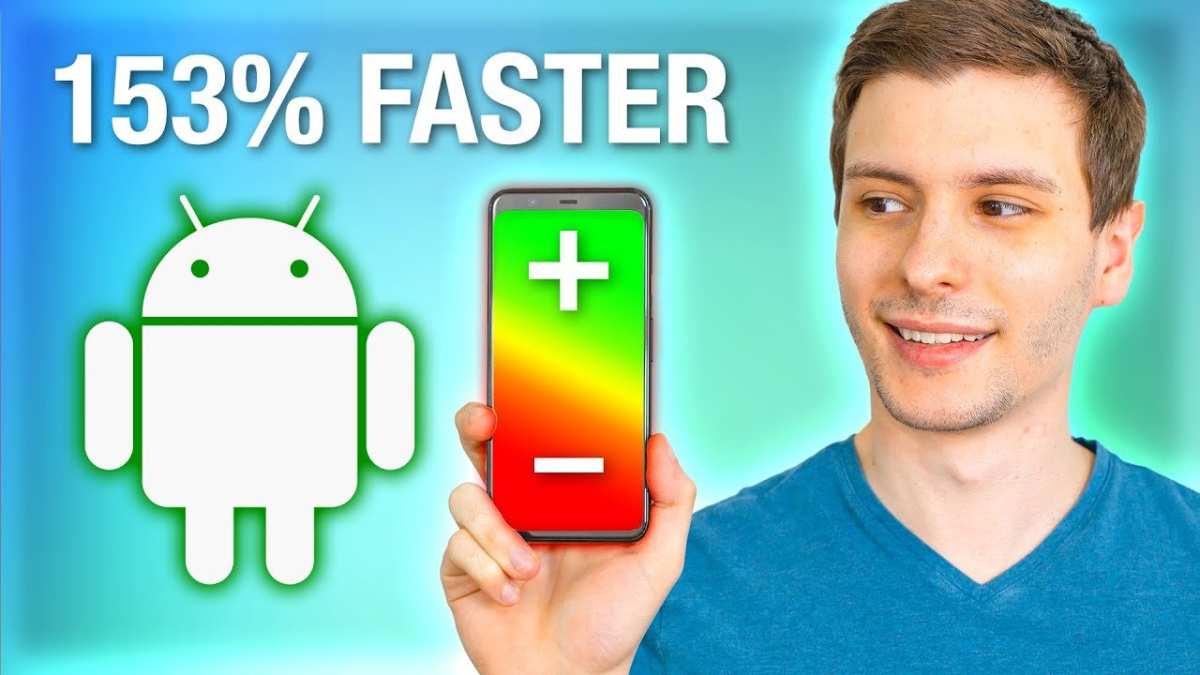

How to Make Your Phone Faster on Android
Having a slow Android phone can be really frustrating. Maybe your videos pause, apps take forever to open, or your phone just feels sluggish all the time. Luckily, there are many simple ways to boost your phone’s speed. In this guide, we will go through easy steps you can take to make your Android device run faster and stay smooth. Whether you use a Samsung, Google Pixel, or any other Android phone, these tips work for most devices.Understand Why Your Android Phone Gets Slow
Before diving into specific fixes, it helps to know what makes a phone slow in the first place. Usually, several things can cause lag or slow performance:- Too many apps running at the same time: When many apps are open, your phone struggles to handle them all.
- Stored unnecessary files and cache: Old files, images, and app cache can fill up your storage, making your phone work harder.
- Outdated software: Running an old version of Android or apps can lead to performance issues.
- Low Random Access Memory (RAM): RAM helps your phone run multiple apps smoothly. Less RAM means slower performance.
- Background processes: Some apps continue to run in the background, consuming resources without you knowing.
- Malware or viruses: Harmful software can slow down your device significantly.
Close Unnecessary Apps and Processes
Many Android phones keep multiple apps running in the background even after you stop using them. These background apps take up memory and processing power, slowing down your device.How to close apps properly
Follow these simple steps to stop apps from running unnecessarily:- Press the recent apps button or the square icon on your navigation bar.
- Swipe away or close apps you’re not using anymore.
- On some phones, you’ll find a “Close All” button—use it for a quick clean-up.
Disable apps that run automatically
Some apps are set to start automatically when your phone turns on:- Go to Settings.
- Select Apps & notifications or a similar menu.
- Tap on See all apps.
- Choose an app that you think is running unnecessarily.
- Tap Force Stop to stop it from running.
- Disable apps that you don’t need running in the background by toggling off the option that allows them to start automatically.
Clear Cache and Unnecessary Files
Over time, cache files build up, slowing down your device. Clearing cache is a quick way to boost performance.How to clear app cache
Follow these steps:- Open Settings.
- Tap on Storage.
- Select Cached data.
- Confirm to clear cache for all apps or choose individual apps to clear cache.
- Go to Settings.
- Select Apps & notifications.
- Pick an app.
- Tap Storage & cache.
- Choose Clear Cache.
Remove unnecessary files and clutter
Besides cache, you should also delete junk files, old downloads, and unused media:- Use a cleaning app like Google Files or CCleaner, which help find and delete unnecessary files.
- Regularly review your downloads folder and delete files you no longer need.
- Uninstall apps you rarely use.
Update Your Software and Apps
Keeping your Android system and apps updated is vital for smooth performance.Why updates matter
Updates often include bug fixes, performance improvements, and security patches. Running outdated software can cause slowdowns and security risks.How to update Android
- Open Settings.
- Scroll to Software Update or System.
- If an update is available, tap Download and Install.
Update your apps
- Open the Google Play Store.
- Tap on the profile icon in the top right corner.
- Select Manage apps & devices.
- Tap Updates available to see a list of apps needing updates.
- Click Update all for a quick update or update apps individually.
Manage Storage Effectively
Low storage makes your phone slow. When storage runs out, apps cannot save data properly, leading to lag.Check your storage usage
- Go to Settings.
- Select Storage.
- Review what consumes most space—photos, videos, apps, or files.
Tips to free up space
- Move photos and videos to cloud services like Google Photos or to an SD card if available.
- Uninstall apps that you don’t use.
- Delete old messages and media files.
- Use storage cleaner apps to identify large files and duplicate photos.
Optimize Your Device Settings
Adjusting some settings can help your phone run more smoothly.Disable animations
Animations make transitions look smooth but can slow down your device:- Enable Developer Options by going to Settings >About phone > tap Build number seven times.
- Go back to Settings >Developer options.
- Scroll down to Window animation scale, Transition animation scale, and Animator duration scale.
- Set all three to Animation off or 0.5x.
Turn off Bluetooth, Wi-Fi, and Location when not in use
Turning off these features saves battery and resources:- Pull down the quick settings panel.
- Tap the icons to turn off Wi-Fi, Bluetooth, or Location services.
Use a Lightweight Launcher or App
If your phone is very old or low-end, consider installing a launcher designed for faster performance:- Go to Google Play Store.
- Search for “Lightweight launcher” (some popular options are Nova Launcher or Poco Launcher).
- Install and set as your default launcher.
Reset or Factory Reset Your Device
If your phone remains slow despite trying everything, a factory reset can help:When to consider a reset
- The device is very laggy even after cleaning caches and updating software.
- You notice many apps crashing often.
- You want to start fresh with your phone.
How to reset your Android
- Go to Settings.
- Select System or General Management.
- Tap Reset options.
- Choose Factory data reset.
- Follow prompts to complete the reset.
Keep Your Phone Fast Every Day
Regular care is key to maintaining a fast Android device. Make it a habit to:- Close apps you’re not using.
- Clear cache periodically.
- Uninstall unused apps.
- Update software regularly.
- Remove clutter from storage.
Frequently Asked Questions
What steps can I take to reduce background app activity on my Android phone?
To minimize background app activity, go to your device settings and navigate to the ‘Apps’ section. Select individual apps and disable background activity permissions or force stop apps that are not in use. Additionally, activating battery saver mode can limit background processes, helping your phone operate more efficiently and improve overall speed.
How can I clear unnecessary files and data to improve my phone’s performance?
Regularly delete cache files, app data, and downloads that you no longer need. Use your Android device’s built-in storage management tools or a trusted cleaning app to identify and remove large or redundant files. Clearing unnecessary data frees up space, which helps your device run faster and reduces lag during operations.
What can I do to prevent apps from overloading my device’s resources?
Limit the number of active apps at any one time by closing apps you are not using. Also, restrict background activity for apps that do not require constant updates through your settings menu. Keeping your device updated ensures you have the latest performance improvements and security patches, reducing the chance of apps causing system slowdowns.
Are there specific settings I should adjust to boost my Android phone’s speed?
Turning off animations and transition effects in your developer options can make your device feel faster. Disable live wallpapers and reduce screen brightness to lessen battery drain, which can also improve performance. Additionally, disabling auto-sync for apps that do not need to update constantly decreases background processing and speeds up your device.
Final Thoughts
To make the phone faster on Android, start by clearing unnecessary apps and cache data to free up memory. Disable or uninstall apps you no longer use to reduce background activity. Keep your software up to date, as updates often include performance improvements. Regularly restart your device to refresh system resources and maintain optimal speed. Following these steps ensures your Android device runs smoothly and efficiently.
Similar Posts