How To Make Sms Default On Android: Step-By-Step Guide

How to Make SMS Default on Android
Making your SMS app the default messenger on your Android device is a straightforward process, but many users find it confusing at first. Whether you’ve just bought a new phone or want to switch to a different messaging app, this guide will walk you through every step in detail. We’ll explore what it means to set an SMS app as the default, why it matters, and how to do it correctly for different Android versions and devices.Understanding the Importance of Setting an SMS Default App
Before jumping into the steps, let’s clarify why setting a default SMS app is essential. On Android phones, multiple messaging apps can exist simultaneously. When your phone receives a message, it needs to know which app should open it. If you don’t specify a default, your device might prompt you to select an app every time, which can be frustrating. By choosing an SMS app as the default, you ensure:- Messages open directly in your preferred app without prompts
- You can customize your messaging experience (themes, stickers, quick replies)
- Messages are organized in one place, making it easier to keep track of your conversations
- Features like sending multimedia, group chats, and message backups work seamlessly
Choosing the Right SMS App for Your Needs
Before making any changes, think about which app suits your preferences. Some popular SMS apps include:- Messages (Google’s default app)
- Samsung Messages (for Samsung devices)
- Textra SMS
- Pulse SMS
- Chomp SMS
How to Make an SMS App Default on Different Android Devices
The process to set an SMS app as default varies slightly depending on your device’s Android version and manufacturer. Here, we break down the general steps and specific instructions for common Android brands.Using Android Settings to Change Default SMS App
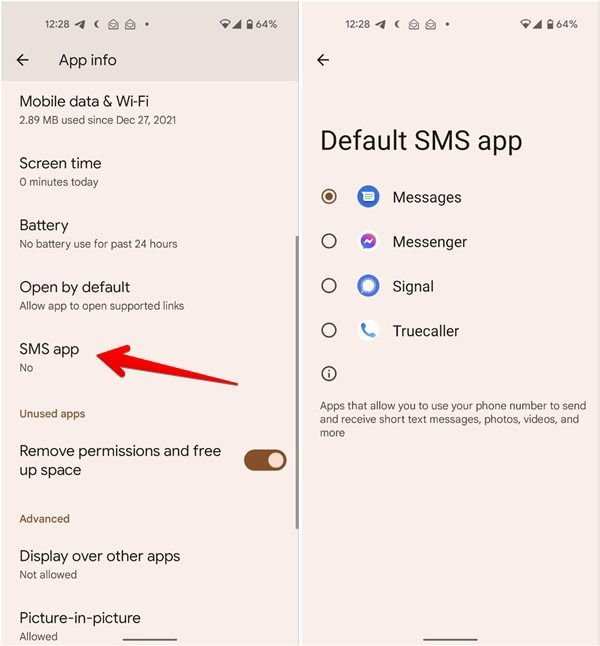
Most newer Android versions follow a similar procedure:- Open the “Settings” app on your device.
- Scroll down and tap on “Apps” or “Applications,” depending on your device.
- Look for and select “Default apps.” This option might be under “Advanced” or “Special app access” on some devices.
- Tap on “Messaging” or “SMS app.”
- From the list of available messaging apps, select your preferred SMS app.
- Exit the settings. Your selection is now active.
Setting Default SMS App on Samsung Devices
Samsung phones often have a slightly different process:- Go to “Settings.”
- Tap on “Apps.”
- Tap on the three-dot menu icon in the top right corner.
- Select “Default apps.”
- Tap on “Messaging app.”
- Select your preferred SMS app from the list.
- Return to the main screen, and your choice is saved automatically.
Making an App Default on Older Android Versions
For devices running older Android versions (like Android 8.0 and below):- Open “Settings.”
- Navigate to “Apps” or “Applications.”
- Tap on “Default apps” or “Default applications.”
- Select “Messaging” or “SMS.”
- Choose your preferred messaging app.
- Confirm your selection.
Manually Changing Default SMS App if the Prompt Doesn’t Appear
Sometimes, when you install a new messaging app, your device doesn’t automatically ask to set it as default. In such cases:- Open the messaging app you’ve installed.
- Look for prompts asking to set it as the default. Tap “Yes” or “Set as default.”
- If no prompt appears, go to “Settings” > “Apps” > “Default apps” and select your new app manually.
Using Third-Party Apps to Manage Default Messaging Settings
Some apps in the Google Play Store help you control default messaging behavior, especially if your device doesn’t provide straightforward options. These apps often provide:- Easy shortcuts to change default apps
- Reminders to set or change default apps
- Enhanced privacy controls
Troubleshooting Common Issues When Setting SMS Default
Many users encounter issues when trying to make an SMS app default. Here are common problems and solutions:The prompt to select default app doesn’t appear
- Update your device’s software and messaging app.
- Clear data and cache of the current messaging app in “Settings” > “Apps.”
- Restart your device and try again.
The default app resets after software updates
- Revisit the “Default apps” setting after each update.
- Uninstall and reinstall your preferred messaging app to reset defaults.
Cannot find “Default apps” in Settings
- Use the search function in Settings and search for “Default apps.”
- Check if your device manufacturer has a different menu for app preferences.
- Consult your device manual for specific instructions.
Additional Tips to Enhance Your Messaging Experience
- Enable message backups for security and data recovery.
- Customize notifications so you don’t miss important messages.
- Use features like quick replies and typing indicators if your app supports them.
- Keep your messaging app updated for the latest features and security patches.
Frequently Asked Questions
How can I set SMS as the default messaging app on my Android device?
To set SMS as your default messaging app, go to your device’s Settings, then select Apps or Apps & Notifications. Tap on Default apps, and then choose Messaging or SMS. From the list, select your preferred messaging app that handles SMS to set it as the default. This ensures all your text messages are managed through that app automatically.
What should I do if my Android phone doesn’t prompt to choose a default messaging app?
If your device doesn’t prompt to select a default messaging app, try opening your preferred messaging app directly. When you launch it for the first time, most apps will automatically set themselves as the default. If not, navigate to Settings > Apps & Notifications > Default apps and select your preferred messaging app manually.
Can I change my default SMS app without resetting my device?
Yes, you can change your default SMS app without resetting your device. Simply open your device’s Settings, go to Apps or Apps & Notifications, then Default apps. Tap on Messaging or SMS and select a different app from the list. This change takes effect immediately, allowing you to choose a messaging app that suits your needs.
What issues might arise if I don’t set a default messaging app on Android?
If you don’t select a default messaging app, you might encounter difficulties sending or receiving SMS messages, as your device may not know which app to use by default. Additionally, some features like message backups or integrations with other services might not work properly without a designated default app.
Final Thoughts
To make SMS default on Android, start by opening your device’s Settings. Locate the Apps or Apps & Notifications section. Tap on Default Apps and select Messaging or SMS app. Choose your preferred messaging app from the list. Confirm your selection to set it as the default. Now, all your messages will automatically open through this app. In summary, understanding how to make SMS default on Android is straightforward. Follow these simple steps, and your preferred app will handle all your messages seamlessly.
Similar Posts