How To Make Shortcut On Android Phone: Easy Guide

How to Make Shortcut on Android Phone
Creating shortcuts on your Android phone can make your daily tasks much easier. Instead of searching through apps or menus, you can quickly access your favorite contacts, apps, or websites with just a tap. Whether you want to launch a specific app directly from your home screen, open a particular webpage, or access a settings menu instantly, shortcuts are the perfect tool to save your time and keep things organized. In this guide, we will explore various methods to create shortcuts on your Android device, discuss different types of shortcuts, and provide helpful tips to customize them to suit your needs.Understanding Shortcuts on Android Devices
Before diving into the how-to steps, let’s clarify what shortcuts are and how they can enhance your Android experience. Shortcuts are quick access icons or links that launch specific apps, web pages, or system functions directly from your home screen or within other apps. Unlike regular app icons, shortcuts can be tailored to perform specific actions, such as composing a new email or opening a particular playlist. Some key points about Android shortcuts include:- They save time by reducing the number of steps needed to perform common actions.
- You can place multiple shortcuts for different functions of the same app.
- Shortcuts can be customized with labels or icons to make them easily recognizable.
Creating App Shortcuts on Your Home Screen
One of the most popular uses of shortcuts is to launch apps quickly. Android makes it straightforward to add app shortcuts directly to your home screen.Adding an App Shortcut with Long Press
This is the simplest way to create an app shortcut:- Locate the app icon in your app drawer or on your current home screen.
- Press and hold the app icon until a menu appears or until you feel a vibration.
- Drag the icon to your preferred spot on the home screen.
- Release the icon to place the shortcut.
Using the App Drawer for Shortcut Creation
If you prefer to work from the app drawer:- Open the app drawer (usually by tapping the app grid icon).
- Find the app you want to create a shortcut for.
- Press and hold the app icon.
- Drag it to your home screen.
Creating Web Page Shortcuts
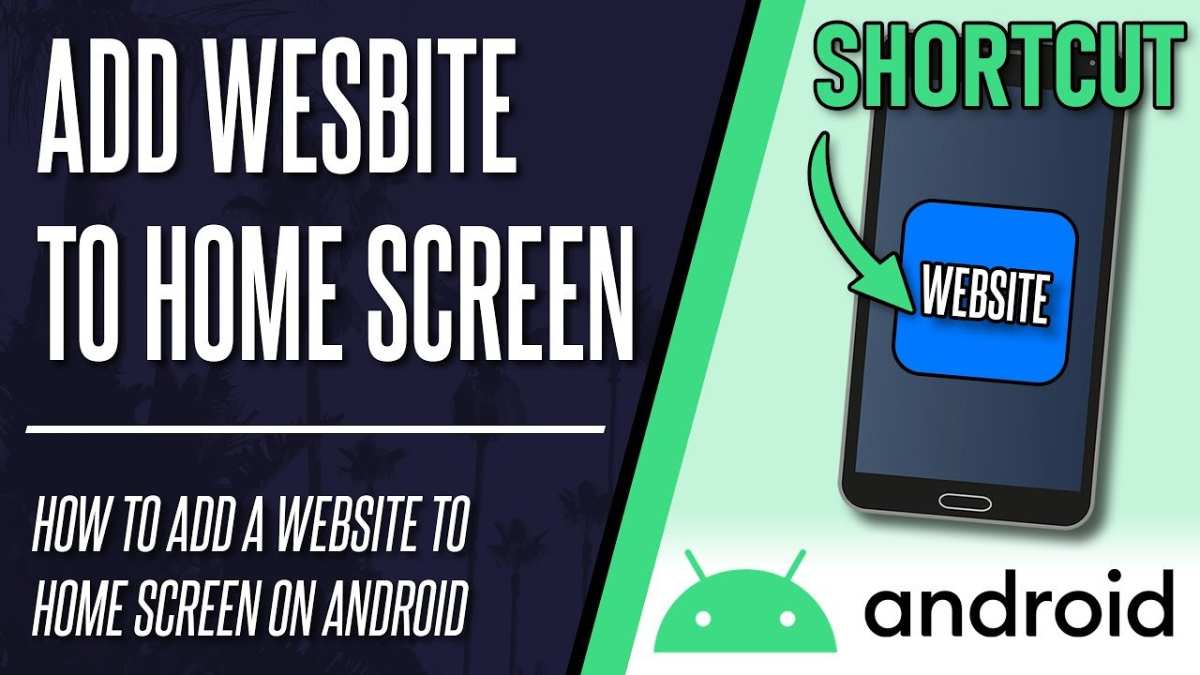
Apart from apps, creating shortcuts for your favorite websites can also save you time. You can launch web pages directly from your home screen without opening a browser first.Adding Website Shortcuts via Chrome Browser
Follow these steps:- Open Google Chrome or your preferred browser.
- Navigate to the website you want to create a shortcut for.
- Tap the menu icon (three dots) in the upper right corner.
- Select Add to Home screen.
- Customize the shortcut name if needed, then tap Add.
- The shortcut will appear on your home screen, ready to use.
Alternative Browsers for Web Shortcuts
Some browsers, like Firefox or Samsung Internet, also offer similar options to create website shortcuts. The process is typically found within their menu options, usually under “Add to Home Screen” or “Create Shortcut.”Creating Shortcuts for Specific Actions or Settings
Beyond apps and websites, Android allows you to create shortcuts for system functions, such as opening the camera, voice recorder, or specific settings pages.Using Built-in Options to Add System Shortcuts
Many Android devices include a widget or shortcut menu:- Press and hold your home screen.
- Tap Widgets.
- Scroll through the available widgets to find Settings or other system functions.
- Press and hold the desired widget, then drag it to your home screen.
- Release it to place the shortcut.
Creating Custom Shortcuts with Apps
If your device doesn’t support specific shortcuts natively, apps like QuickShortcutMaker or Shortcut Creator can help. These apps allow you to:- Create shortcuts for specific activities within apps.
- Access hidden settings or functions.
- Customize shortcut icons and labels.
Using Widgets to Add Functionality
Widgets are small app components that can provide quick access to functions directly on your home screen. Many apps include their own widgets that act as shortcuts.Adding Widgets for Quick Access
Here’s how you add a widget:- Press and hold an empty space on your home screen.
- Select Widgets from the menu options.
- Browse the list for the app you want to add a widget for.
- Press and hold the widget, then drag it to your preferred location.
- Configure the widget if prompted (e.g., select a specific playlist or contact).
Organizing and Managing Shortcuts
Once you create several shortcuts, keeping your home screen tidy becomes important. Proper organization helps you find shortcuts quickly without clutter.Creating Folders for Multiple Shortcuts
Grouping related shortcuts into folders makes navigation easier:- Press and hold one shortcut.
- Drag it over another shortcut or app to create a folder.
- Open the folder to add more shortcuts if needed.
- Name the folder appropriately, like “Work” or “Entertainment.”
Renaming Shortcuts and Folders
To keep things clear:- Tap and hold the shortcut or folder.
- Select Edit or Rename.
- Type a new name, then confirm.
Deleting Unused Shortcuts
If you want to remove a shortcut:- Press and hold the shortcut.
- Drag it to the trash bin or remove icon that appears at the top or side of the screen.
- Release it to delete the shortcut.
Customizing Shortcut Icons and Labels
Personalizing shortcuts makes your device more intuitive:- Most launchers let you change icons by pressing and holding the shortcut, then selecting Change Icon or similar.
- You can download icon packs from the Play Store for variety.
- Rename shortcuts by pressing and holding to access the edit options.
Tips for Better Shortcut Usage
To maximize the benefits:- Place frequently used shortcuts at the bottom of your home screen for easy access.
- Use folders to group related shortcuts for cleaner organization.
- Update your shortcuts regularly to keep them relevant.
- Explore third-party apps for advanced shortcut customization and automation.
Frequently Asked Questions
How can I add a shortcut for an app directly on my Android home screen?
To add an app shortcut to your Android home screen, press and hold the app icon in your app drawer. After a moment, the screen will change, and you can drag the icon to your preferred spot on the home screen. Release the icon to place the shortcut there. Some devices also allow you to tap the menu or options button and select “Add shortcut” or similar options for specific apps.
What steps should I follow to create a website shortcut on my Android device?
Open your web browser and go to the website you want to add as a shortcut. Tap the menu button (usually three dots in the top right corner), and select “Add to Home screen” or “Add shortcut to Home.” You can customize the name if needed and then confirm. The website shortcut will appear on your home screen, allowing quick access in the future.
How do I set up a shortcut for a specific contact on my Android phone?
Go to your contacts app and find the contact you want to create a shortcut for. Tap and hold the contact’s name or photo, then choose “Create shortcut” or “Add shortcut to Home” from the options menu. The contact’s icon will be added directly to your home screen, enabling you to call or message them with a single tap.
What is the process for creating a shortcut for a specific setting or feature on Android?
Many Android devices allow you to add shortcuts for settings or features via the widget menu. Tap and hold on the home screen, then select “Widgets.” Find the widget named “Settings” or similar, and drag it to your home screen. You’ll then be prompted to choose the specific setting or feature you want quick access to, like Wi-Fi, Bluetooth, or brightness adjustments. Confirm your choice, and the shortcut will be set up.
Can I customize existing shortcuts on my Android device?
Yes, you can customize existing shortcuts by pressing and holding the icon on your home screen. Depending on your device, you can tap “Edit” to change the icon or label. Some launchers also support rearranging or grouping apps into folders for more personalized organization. Additionally, third-party launcher apps may offer more advanced customization options for your shortcuts.
Final Thoughts
Making a shortcut on your Android phone helps access apps and features quickly. To do this, press and hold the app icon on your home screen. Drag it to your desired location and release. Alternatively, long-press on the home screen, select “Widgets,” then choose and place the shortcut. In some devices, swiping down from the top and clicking the “Add” button also creates shortcuts. Customizing your shortcuts can save time and improve your daily phone use. In summary, how to make shortcut on android phone becomes simple with a few taps. Use these methods to quickly access your favorite apps and functions.
Similar Posts