How To Learn New Writing Formats Like Letters Or Reports?

How to learn new writing formats like letters or reports using prompts
Learning new writing formats, such as letters or reports, can seem challenging at first. Using prompts makes this task easier by guiding your ideas and structure. Prompts serve as a starting point, helping you focus on what to include and how to organize your writing. In this section, you will find ways to use prompts effectively to learn and practice different writing styles.
Understanding the importance of prompts in writing practice
Prompts provide clear instructions or questions that inspire your writing. They help you stay focused on the topic and ensure your content remains relevant. Using prompts regularly can improve your confidence and make learning new formats more manageable.
Effective prompts contain specific clues about the structure and purpose of the writing task. By practicing with these clues, you develop a better sense of how to approach different writing formats. This habit also enhances your ability to plan and organize your ideas efficiently.
Types of writing prompts for letters and reports
Prompts for writing letters
- Write a friendly letter to a friend describing your recent holiday.
- Send a thank-you letter to someone who helped you.
- Write a letter of apology to a classmate.
- Compose a letter requesting information from a company.
Prompts for writing reports
- Write a report about your science experiment.
- Create a report on your favorite book or movie.
- Prepare a report on the weather in your area.
- Describe an event or activity you participated in, including details and outcomes.
How to use prompts effectively to learn new formats
Step 1: Choose the right prompt
Select prompts that match your current skill level and interest. This makes writing more enjoyable and less intimidating. As you improve, gradually choose more complex prompts to challenge yourself.
Step 2: Analyze the prompt
Break down what the prompt asks for. Identify key words like “describe,” “explain,” or “list.” Understanding these helps you focus on the type of content and structure you need to include.
Step 3: Plan your writing
Create a simple outline based on the prompt. For letters, include sections like greeting, body, and closing. For reports, outline sections such as introduction, main points, and conclusion.
Step 4: Write your draft
Follow the outline and focus on including all necessary information. Don’t worry about making it perfect in the first draft; just get your ideas down.
Step 5: Review and revise
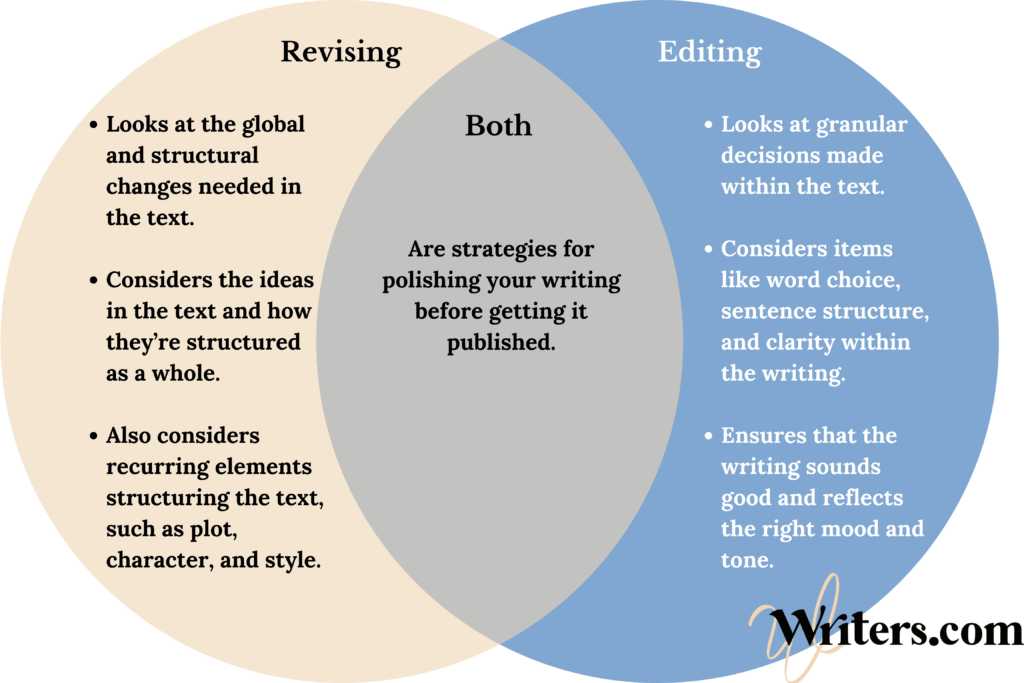
Check if your writing answers all parts of the prompt. Make improvements by editing for clarity, spelling, and punctuation. Practice multiple drafts to refine your skills.
Examples of prompt-driven practice activities
Scenario-based activities
- Write a letter to your teacher explaining why you missed school.
- Create a report on your recent class field trip, including details, activities, and what you learned.
Timed writing tasks
- Set a timer for 15 minutes and write a letter to a friend about your weekend.
- Spend 20 minutes preparing a report on your favorite hobby.
Additional resources for prompt-based learning
Many online platforms offer prompts specifically designed for different grade levels and formats. These resources often include sample answers and tips for improvement. Using these tools can complement your practice and help you learn faster.
Online prompt generators
Sites like Write & Improve or Writing Prompts offer daily or weekly prompts suitable for beginner to advanced writers. They often include feedback options to track your progress.
Educational games and apps
- Educational apps like Storybird or Penzu encourage creative writing using prompts.
- Interactive platforms such as Khan Academy provide exercises that guide students through writing formats step-by-step.
Tips for mastering new writing formats with prompts
Be consistent
Practice regularly using prompts to reinforce learning. Consistency helps you remember structure and improves your writing skills over time.
Seek feedback
Share your writing with teachers, friends, or family to get constructive feedback. Learning from others can help identify areas for improvement.
Reflect on your progress
Keep a journal of your writing activities. Review your work periodically to see how much you’ve improved and which areas need more focus.
Mix different prompts and formats
Practice with a variety of prompts across formats to build versatility. This prepares you to handle different writing tasks confidently.
Incorporating prompts into classroom or home learning
Structured lessons
Teachers can incorporate prompts into daily lessons to introduce new formats gradually. This hands-on approach helps students grasp structures naturally.
Homework assignments
Assign weekly prompts for homework, encouraging learners to practice independently. Reviewing these assignments can reinforce classroom learning.
Group activities
Organize group writing challenges based on prompts. Sharing ideas and receiving peer feedback fosters a supportive learning environment.
Common challenges and how to overcome them
Difficulty understanding the prompt
If unsure about the prompt, break it down into smaller questions. Clarify what each part asks for before starting to write.
Writer’s block or lack of ideas
- Use brainstorming techniques to generate ideas.
- Refer to related topics or previous experiences for inspiration.
Maintaining organization and structure
Use outlines and templates to guide your writing. Practice structuring sentences and paragraphs clearly.
Improving writing fluency
Regular practice with prompts helps build confidence. Focus on writing smoothly without overthinking each sentence.
Summary of key strategies
- Select appropriate prompts based on your skill level and interests.
- Analyze prompts carefully before starting to write.
- Create simple outlines to organize your ideas.
- Practice writing consistently, using feedback to improve.
- Use a variety of prompts and formats to increase versatility.
Using prompts effectively is a practical way to learn and improve your ability to write different formats. With regular practice, you will become more confident and skilled in creating clear, organized, and engaging letters and reports. Remember, patience and persistence are key to mastering new writing styles!
Master the Perfect ChatGPT Prompt Formula (in just 8 minutes)!
Frequently Asked Questions
What strategies can I use to familiarize myself with different writing formats through prompts?
To become comfortable with various writing formats, start by analyzing sample documents such as letters or reports. Use prompts that specify the type of document you need to write, and practice creating drafts based on these prompts. Reviewing feedback and revising your work helps reinforce understanding of the structure and style unique to each format. Consistent practice with diverse prompts allows you to recognize common elements and adapt your writing accordingly.
How can I identify key components of a letter or report when working with prompts?
Focus on the instructions within the prompts that highlight specific sections or elements required, like greetings, introductions, body paragraphs, and conclusions in letters or headings, summaries, and data sections in reports. Break down the prompt into parts to understand what information to include in each section. By practicing with prompts that emphasize these elements, you learn to quickly identify and incorporate the essential components of each writing style.
What techniques help me practice writing in new formats without feeling overwhelmed?
Start with simple prompts that provide clear guidance and gradually increase complexity. Break down the writing process into small steps, such as outlining, drafting, and editing. Set aside dedicated time to focus on one format at a time, and review completed work to see areas of improvement. Using templates or outlines as a starting point can also make the process less intimidating while ensuring you meet the required format criteria.
How can I adapt prompts to improve my understanding of various writing styles?
Modify existing prompts to include specific stylistic features or structural elements. For example, add instructions to use formal language in reports or include personal touches in letters. Experimenting with different prompt variations helps you adapt your writing to different contexts and audiences. Reflecting on the differences between your drafts allows you to refine your skills and better grasp each style’s nuances.
What role does feedback play in learning new writing formats through prompts?
Feedback provides insight into how well you follow the format requirements and communicate your message effectively. Sharing your work with teachers, peers, or using AI tools helps identify strengths and areas for improvement. Incorporate the suggestions into subsequent drafts, focusing on adhering to the structural and stylistic guidelines of each format. Over time, this iterative process enhances your ability to produce well-structured and appropriate writings based on prompts.
Final Thoughts
How to learn new writing formats like letters or reports using prompts involves practicing consistently and using guided examples. Break down each format into its key components and recreate them with the help of prompts. This approach helps build familiarity and confidence. By actively engaging with prompts, learners can identify patterns and develop their skills effectively. Emphasizing regular practice ensures steady progress. Focusing on these strategies makes learning new writing formats more manageable and effective.
Similar Posts