How Is Chat Gpt Detected A Guide For Identification

How is Chat GPT Detected?
Understanding the Need for Detection
Detecting whether a text was generated by Chat GPT or a human is important for many reasons. Teachers want to know if students write their own work. Companies check if articles are written by real people or AI. This helps maintain trust and fairness in online content.How AI Generates Text
Chat GPT uses complex algorithms to produce human-like sentences. It predicts which words are most likely to come next based on vast amounts of data. This makes its writing smooth and natural, but also detectable with the right tools.Key Signs of AI-Generated Text
People have found clues that help identify AI writing. These include:- Repetitive phrases or patterns
- Lack of personal experiences or emotions
- Overly formal or consistent style
- Unusual or awkward phrasing in some sentences
Detection Tools and Software
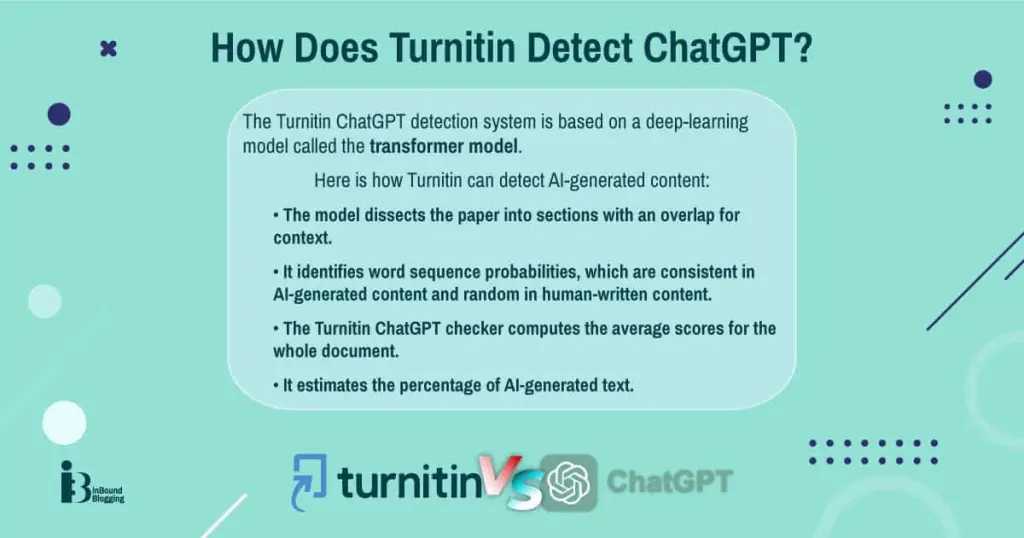
There are specific programs built to detect Chat GPT output. These tools analyze text features, such as word choice and sentence structure. Some popular tools include OpenAI’s own classifier and third-party platforms like GPTDetectors or Turnitin.OpenAI’s Classifier
OpenAI developed a detector that reviews text and predicts the likelihood it was created by AI. It looks at patterns in the writing and compares it to known AI-produced samples. Although useful, this tool has limitations, especially with shorter texts.Third-Party Detection Tools
Many organizations use additional software to catch AI writing. These tools often combine multiple techniques, including statistical analysis and machine learning. They increase accuracy but are not perfect and can sometimes produce false results.Technical Techniques for Detection
Experts use advanced methods to identify AI-generated content. These include:- Analyzing syntax and sentence structure
- Measuring the randomness of word choices (entropy)
- Checking for consistency in tone and style
- Detecting unnatural repetitions or patterns
Limitations of Detection Methods
Despite progress, detecting Chat GPT texts is not always straightforward. AI models improve constantly, making their output harder to spot. Short or simple texts are especially challenging for detectors to analyze accurately.Human Involvement in Detection
Humans still play a critical role in identifying AI writing. Educators and editors look for inconsistencies or unnatural elements. Combining human judgment with detection software offers the best results.Ethical Considerations in Detection
Using detection tools raises privacy and fairness questions. It’s important to use these methods responsibly, respecting user rights. Transparency about detection practices helps build trust among users and creators.Future of AI Detection
As AI continues to evolve, so will detection technology. Researchers aim to create more precise tools that can keep up with new models. Collaboration between developers and users will help improve detection methods over time.Related Topics
- How to prevent AI misuse in writing
- Best practices for AI-generated content in education
- The role of AI in content moderation
- Developing ethical AI detection policies
Summary
Detecting Chat GPT involves examining text features, using specialized tools, and applying human judgment. While tools can identify many AI-produced pieces, challenges remain due to the rapid advancement of AI technology. Staying updated on detection strategies is essential for maintaining integrity across digital platforms.Frequently Asked Questions
What techniques are used to identify AI-generated content from chatbots like Chat GPT?
Detecting AI-generated content involves analyzing textual patterns, consistency, and stylistic features. Researchers look for specific markers such as repetitive phrases, unnatural sentence structures, or a lack of emotional depth. Advanced algorithms compare the text against known language models to spot similarities, helping to distinguish between human writing and AI outputs.
How can metadata analysis assist in detecting Chat GPT-generated responses?
Metadata analysis examines data associated with the content, such as creation timestamps, editing history, and server logs. By scrutinizing this information, experts can identify signs indicating whether the content was generated by an AI system. For example, rapid generation times or atypical editing patterns may point toward automated creation.
What role do user engagement patterns play in identifying AI-produced content?
Monitoring user interaction patterns helps detect AI-generated responses. For instance, unusually high response consistency, rapid reply times, or lack of personalized touches can suggest automated content. Platforms analyze these behaviors to differentiate between genuine user interactions and AI outputs.
Are there specific linguistic features that help distinguish AI responses from human communication?
Yes, subtle linguistic cues can reveal AI origins. These include overly formal language, repetitive sentence structures, or a limited vocabulary range. By applying linguistic analysis, systems can flag content that may lack the nuance and variability typical of human speech.
How effective are current detection methods in differentiating between human and AI-generated texts?
Current detection techniques offer a reasonable level of accuracy but are not infallible. As AI models improve, they produce more natural-sounding text, making detection increasingly challenging. Combining multiple strategies—such as pattern analysis, metadata review, and linguistic scrutiny—enhances detection effectiveness.
Final Thoughts
Chat GPT detection relies on analyzing language patterns, consistency, and stylistic features unique to AI-generated text. Tools examine sentence structure and vocabulary usage to identify telltale signs. They compare outputs against known AI writing models, spotting subtle differences in coherence and repetition. In conclusion, understanding how is chat gpt detected helps users recognize AI involvement. It combines linguistic analysis and technological tools to provide accurate results.
Similar Posts