How Do You Write A Short Prompt For Effective Communication

How Do You Write a Short Prompt Effectively?
Writing a short prompt can be a tricky task because it requires clarity and brevity. The goal is to communicate your idea clearly without using too many words. Short prompts are useful in many areas, such as creative writing, programming, or even teaching, where concise instructions or inspiration are needed.Understanding the Purpose of a Short Prompt
Before writing a short prompt, it is important to understand its purpose. Are you trying to inspire creativity, give instruction, or ask a question? Knowing the purpose helps in shaping the prompt in a way that fits the goal. For example, a creative writing prompt should spark imagination, while an instructional prompt should guide the reader clearly.Key Elements of a Short Prompt
A good short prompt usually includes the following elements:- Clarity: The prompt should be easy to understand.
- Focus: It should highlight the main idea without unnecessary words.
- Engagement: The prompt should encourage a response or action.
Steps to Write a Short Prompt
Writing a short prompt can be broken down into simple steps:- Identify the main message: Decide what you want to communicate.
- Choose specific words: Use clear and straightforward language.
- Keep it brief: Cut out any words that do not add value.
- Test your prompt: Read it aloud or ask someone else to see if it makes sense.
How to Use Simple Language
Using simple language helps make your short prompt accessible to a wider audience. Avoid complex words or jargon that could confuse readers. Instead, use everyday words that are easy to understand. For example, instead of saying “utilize,” say “use.”The Importance of Being Specific
Specificity helps avoid vagueness and makes the prompt meaningful. Instead of saying “Write about a place,” say “Write about your favorite park.” Specific prompts give clearer direction and make it easier to generate ideas.Examples of Short Prompts
Here are a few examples that illustrate how short prompts can be clear and engaging:- Describe a day at the beach.
- What does happiness look like to you?
- Create a poem about a rainy day.
- Explain how to make a sandwich.
Common Mistakes to Avoid When Writing Short Prompts
Some common errors can make a prompt confusing or ineffective:- Being too vague – Vague prompts do not provide enough direction.
- Using complicated language – This can alienate or confuse readers.
- Making it too long – A prompt should be short and to the point.
- Failing to engage – A prompt should motivate the reader to think or act.
Using Short Prompts in Different Contexts
Short prompts work well in various situations. In education, they help students focus and think creatively. In writing communities, prompts inspire stories and poems. In technology, prompts guide users or systems with clear instructions. Understanding the context helps tailor the prompt accordingly.Short Prompts for Creative Writing
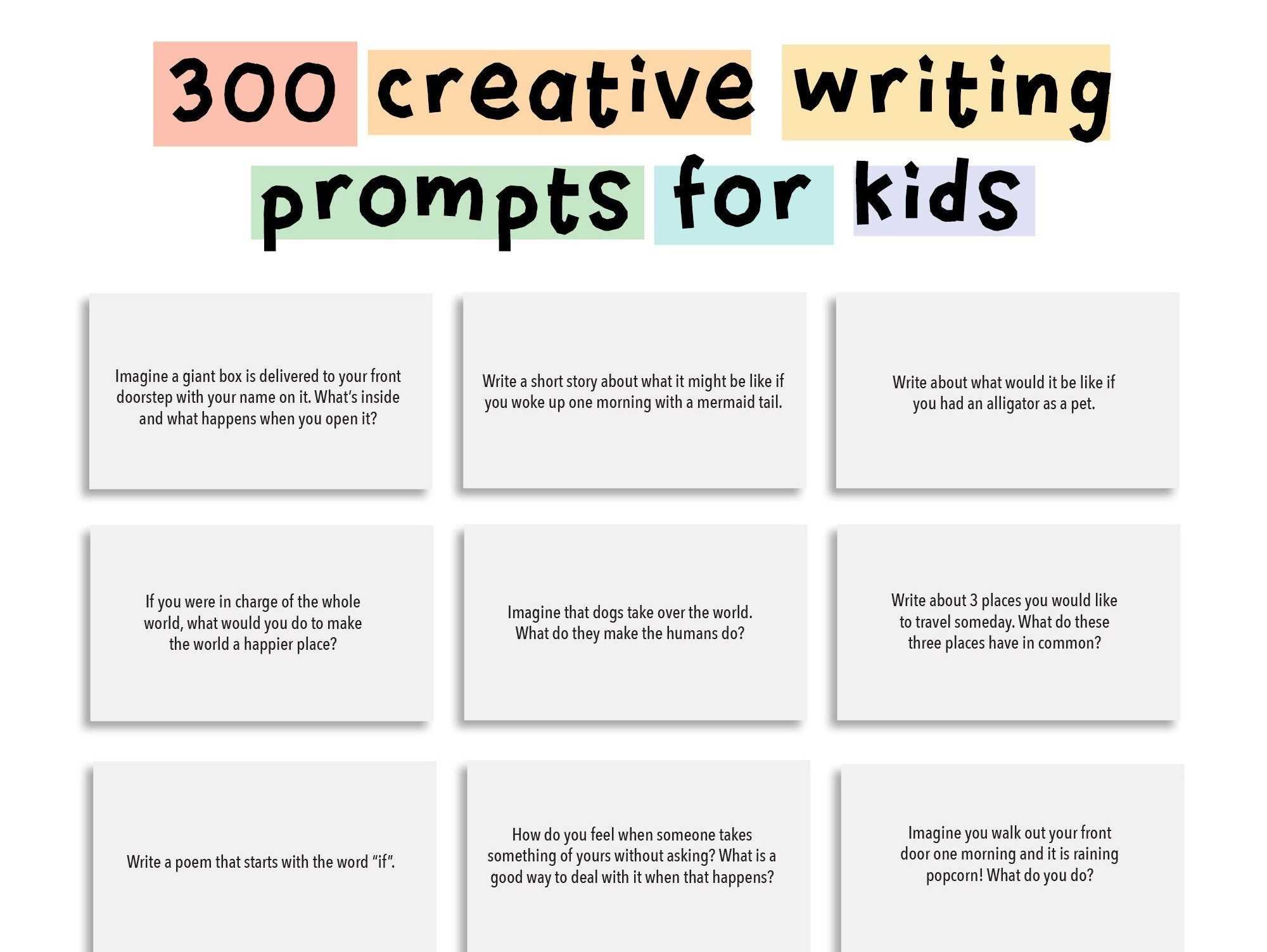
Creative writing prompts should spark imagination and free the mind. They can be questions, statements, or even images. For example:- “Write about a secret door in your house.”
- “Imagine a world with no colors.”
Short Prompts in Programming
Programming prompts are often instructions or problem statements. They need to be concise and unambiguous. For example:- “Write a function to reverse a string.”
- “Create a loop that counts from 1 to 10.”
Tips to Improve Your Short Prompt Writing
Here are some tips to sharpen your skills:- Practice writing prompts on different topics.
- Ask others for feedback on clarity and engagement.
- Keep revising until only essential words remain.
- Use active voice to make prompts more direct.
The Role of Keywords in Short Prompts for SEO
If you are writing prompts for digital platforms, incorporating keywords can help with search engine optimization. Use relevant terms naturally to help your content rank higher. For instance, if your prompt relates to “creative writing,” include that phrase to attract the right audience.Balancing Keywords Without Losing Natural Tone
While including keywords is important, overusing them can make the prompt feel forced or awkward. Aim for a balance where keywords fit seamlessly into the prompt. This keeps the writing natural and enjoyable to read.How Short Prompts Encourage Creativity and Focus
Short prompts offer just enough information to get started without limiting imagination. They guide thought processes while leaving room for personal interpretation. This balance helps people generate unique ideas and stay focused on the topic.Encouraging Different Types of Responses
Depending on how you write the prompt, you can encourage various kinds of answers:- Descriptive: Asking for details or imagery.
- Analytical: Inviting explanations or reasoning.
- Imaginative: Prompting stories or creative ideas.
Using Visual and Sensory Language in Short Prompts
Including sensory words or vivid descriptions can make prompts more engaging. For example, instead of “Write about a forest,” say “Describe the sounds and smells of a quiet forest.” Sensory language draws readers in and makes the prompt more interesting.Final Thoughts on Writing Short Prompts
Writing a short prompt requires a balance of clarity, brevity, and engagement. Focus on keeping your message simple and specific. Use active language and revise your prompt to remove unnecessary words. By doing so, you create prompts that effectively inspire and guide your audience. Practicing regularly and paying attention to your audience’s needs will improve your ability to write short prompts that truly resonate.Master the Perfect ChatGPT Prompt Formula (in just 8 minutes)!
Frequently Asked Questions
What key elements should a short prompt include to be effective?
A short prompt should include clear and concise instructions, specify the desired outcome, and provide any necessary context. Keeping it simple helps avoid confusion while ensuring the prompt directs attention to the main task.
How can I make a short prompt engaging without adding unnecessary length?
Focus on using strong, specific verbs and relevant keywords. Avoid filler words and keep the language straightforward. This approach maintains interest while keeping the prompt brief and to the point.
Why is clarity important in writing a short prompt?
Clarity helps prevent misunderstandings and ensures that the person responding knows exactly what is expected. Clear prompts reduce the chances of off-topic or irrelevant responses, making the interaction more productive.
How do I tailor a short prompt for different audiences?
Consider the knowledge level and interests of your audience. Use language and terminology they will easily understand. Adjust the complexity and context to match their background, which helps maintain engagement and relevance.
What role does specificity play in crafting concise prompts?
Specificity guides the responder toward a focused and relevant answer. By including precise details or constraints, you help eliminate ambiguity, which leads to more accurate and useful responses.
Final Thoughts
Pour conclure, écrire un court prompt nécessite de la clarté et de la précision. Il faut choisir des mots simples qui ciblent directement le sujet sans détour inutile. Concentrez-vous sur l’essentiel, évitez les détails superflus, et structurez votre phrase pour qu’elle soit facile à comprendre. Cela facilite la réponse et améliore la qualité des résultats. En résumé, comment écrivez-vous un court prompt? Soyez clair, concis, et précis. Ces éléments garantissent un prompt efficace qui guide l’interaction avec exactitude.
Similar Posts