Can I Use Chatgpt As My Own Work A Guide For Ethical Use

Can I use ChatGPT as my own work?
Understanding What ChatGPT Is
ChatGPT is an artificial intelligence tool designed to generate human-like text based on prompts. It can answer questions, write stories, create summaries, and more. Because of its advanced language capabilities, many wonder if it’s possible to use ChatGPT’s output as their own work.Is Using ChatGPT as Your Own Work Ethical?
Using ChatGPT’s work raises questions about honesty and fairness. If you submit text generated by ChatGPT as your own without credit, it may be considered plagiarism. It’s important to think about honesty and whether you want to be transparent about using AI tools.Legal Considerations of Using ChatGPT
Many organizations have specific rules about submitting AI-generated work. Some educational institutions discourage it entirely, while others allow it with proper citation. Always check your rules before submitting AI-assisted work.Intellectual Property and Copyright
ChatGPT generates content based on existing data, but the output is considered original. However, copyright laws vary, and using AI output without attribution can sometimes be legally complicated. Be aware of your local laws and your institution’s policies.How to Properly Use ChatGPT in Your Work
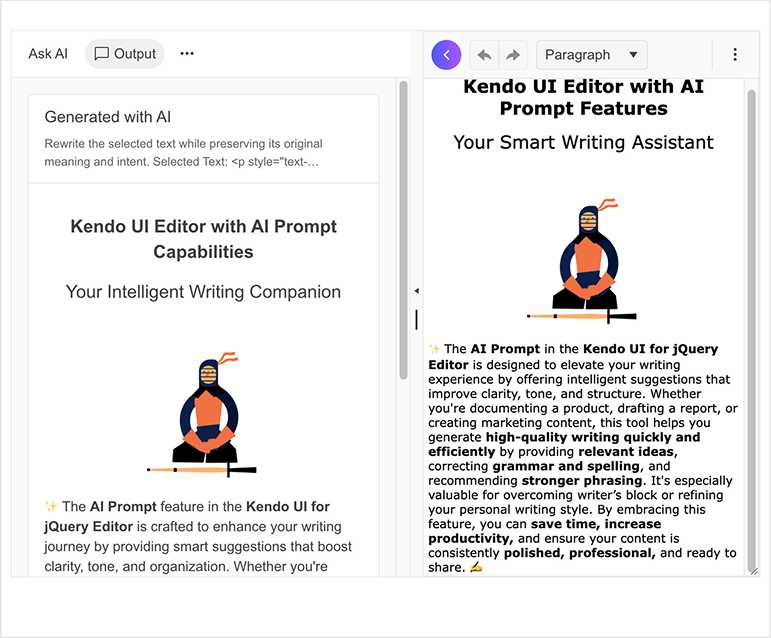
Instead of passing ChatGPT’s output as your own, consider using it as a tool to assist your thinking and writing process. You can ask ChatGPT for ideas, outlines, or to help clarify concepts. Always personalize and modify the AI’s content to match your voice and understanding.Giving Credit to AI Tools
When using ChatGPT, acknowledge its role in your work. For example, mention that you used ChatGPT to generate part of your content. This keeps your work transparent and maintains academic integrity.Advantages and Risks of Relying on ChatGPT
Using ChatGPT offers several benefits, such as saving time and overcoming writer’s block. But, there are risks too, like relying too much on AI and losing your unique voice. Balance your use of AI tools with your effort to ensure authentic work.Benefits
- Speeds up the writing process
- Provides ideas and suggestions
- Helps with language and grammar corrections
Risks
- Potential for unoriginal content
- Overdependence on AI may hurt your skills
- Possible issues with plagiarism or misrepresentation
How to Use ChatGPT Ethically and Effectively
You should view ChatGPT as a helpful tool rather than a replacement for your work. Use it to brainstorm, improve your writing, or get guidance. Always review and modify the AI-generated content to ensure it reflects your ideas and voice.Strategies for Effective Use
- Ask specific questions to get relevant responses
- Use AI suggestions to inspire your writing, not to copy verbatim
- Proofread and personalize the output before submitting
- Keep records of AI prompts and outputs to show transparency
Maintaining Originality with AI-Assisted Work
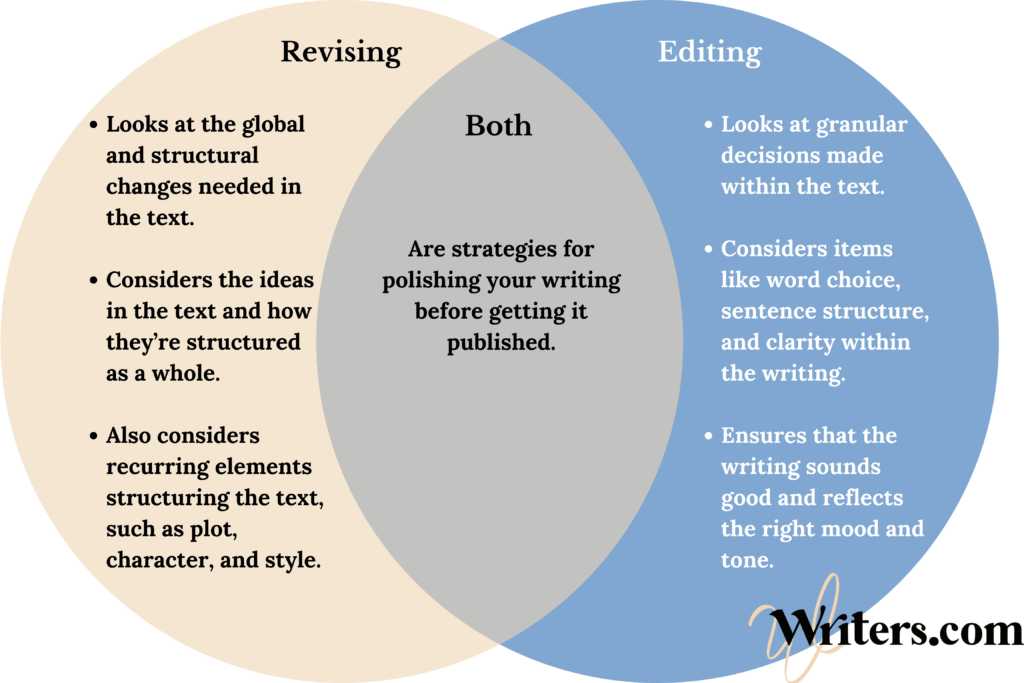
To keep your work original, combine ChatGPT’s output with your thoughts and experiences. Add personal insights, examples, and style to make the work uniquely yours. This approach helps avoid plagiarism and enhances your learning.Techniques for Personalizing AI Content
- Rephrase sentences to match your tone
- Add your own examples or stories
- Expand on ideas provided by AI
- Ensure the final work aligns with your understanding
AI Detection and Plagiarism Tools
Many institutions now use software to detect AI-generated text. Relying solely on AI output can sometimes lead to issues if detected. Therefore, it’s best to use ChatGPT as a supplement, not the sole source of your work.How Detection Tools Work
Detection tools analyze text patterns and compare them with known AI writing styles. They look for inconsistencies or telltale signs that the text was machine-generated. This emphasizes the need to review and modify AI-produced content.Summary: Using ChatGPT Responsibly
Using ChatGPT as your own work can be tempting but must be done ethically. Treat it as a helper, not a substitute, and give credit when needed. Personalize AI-generated content to keep your work authentic and original.Best Practices for Students and Content Creators
Always be transparent about AI use. Use ChatGPT to support your ideas and improve your writing. Remember that your voice and effort are what make your work meaningful and trustworthy.Quick Tips
- Use AI to brainstorm ideas and generate outlines
- Always review and adapt AI content to fit your style
- Cite AI tools if required by your institution
- Balance AI assistance with your original input
Frequently Asked Questions
Am I allowed to use content generated by ChatGPT for my professional projects?
Yes, you can incorporate content created by ChatGPT into your professional work. However, it is essential to review and modify the output to ensure it aligns with your project’s standards and accurately reflects your expertise. Using AI-generated content responsibly includes attribution when necessary and maintaining transparency about its origin.
Can I rely solely on ChatGPT for writing academic papers or reports?
While ChatGPT can assist in generating ideas and drafting sections of academic work, it shouldn’t be your only resource. Always verify facts, add original insights, and cite relevant sources. Using AI tools as a supplement rather than a replacement helps maintain the integrity and quality of your work.
What precautions should I take when using ChatGPT for creative writing or content creation?
When using ChatGPT for creative projects, ensure you add your own unique touch to the AI-generated material. Avoid plagiarism by rewriting sections, and respect copyright laws. It’s also important to review the content thoroughly to ensure it meets your style, tone, and quality standards.
Is it necessary to disclose that I used ChatGPT in my work or publications?
Disclosure depends on the context and the guidelines of your organization or publication. In some cases, transparency about AI assistance helps maintain ethical standards. Check specific policies to determine if you should mention the use of ChatGPT or similar tools.
Can I modify ChatGPT’s output to make it more personalized or suitable for my audience?
Absolutely. You can edit and customize the content generated by ChatGPT to better fit your voice, style, and audience needs. Personalization ensures the material aligns with your goals and enhances its effectiveness.
Final Thoughts
Can I use ChatGPT as my own work? Using ChatGPT can save time and assist with writing, but it’s essential to add your personal touch to ensure originality. Avoid copying responses directly; instead, adapt and customize outputs to reflect your voice. Always attribute ideas when necessary to stay ethical. Ultimately, the key is transparency and honesty in your work. ChatGPT is a tool, not a substitute for your effort. So, yes, you can use ChatGPT as your own work, but be mindful of maintaining academic and professional integrity.
Similar Posts