Can Anyone Recognize If Chatgpt Was Used In Writing?
Yes, it is possible for someone to recognize if ChatGPT was used to generate text, but it’s not always straightforward. As the capabilities of AI language models like ChatGPT continue to evolve, they produce increasingly sophisticated and human-like responses. However, there are still telltale signs that can give it away. For instance, the patterns of language, structure of sentences, or even the content itself may lack personal anecdotes or unique insights that a human writer would typically include. Moreover, subtle inconsistencies or overly formal language can be red flags. In this blog, we’ll explore the indicators that might reveal AI involvement in writing and discuss how to identify and navigate these nuances in conversations or written content.

Can Anyone Recognize If ChatGPT Was Used?
The rise of advanced AI tools like ChatGPT has transformed the way we think about writing and content creation. As these tools become more prominent, an essential question arises: **Can anyone recognize if ChatGPT was used in a piece of writing?** To understand this better, let’s dive into various aspects such as how ChatGPT operates, the characteristics of its writing style, and methods for detecting its usage.
Understanding ChatGPT
ChatGPT is a language model created by OpenAI, designed to generate human-like text based on the input it receives. It utilizes **deep learning** techniques to understand context and produce relevant responses. This technology can help in numerous areas, such as content creation, customer service, and education.
One of the main features of ChatGPT is its ability to produce coherent and contextually appropriate text. It analyzes patterns in the data it was trained on, which consists of diverse language sources. This allows it to mimic various writing styles, making it hard to identify its output.
Unique Characteristics of ChatGPT Text
While ChatGPT can produce high-quality writing, there are some traits that may hint at its involvement. Here are a few of the notable characteristics:
- Consistency: ChatGPT maintains a consistent tone and style throughout the text.
- Clarity: The generated content is usually clear and concise, often avoiding complex jargon.
- Lack of Personal Experience: The text may lack personal anecdotes since AI does not have personal experiences.
- Generic Responses: Responses may sometimes feel generic or too polished compared to human writing.
These characteristics can sometimes reveal that artificial intelligence was used.
Human vs. AI Writing Styles
Understanding the differences between human and AI-generated content can help in recognizing ChatGPT’s involvement. Here’s a breakdown of some contrasting features:
Creativity
Humans tend to infuse creativity and emotion into their writing. They can convey deep feelings, unique perspectives, and personal experiences, which can be hard for ChatGPT to replicate fully. AI may generate ideas that seem novel but often lack the depth of human creativity.
Contextual Understanding
While ChatGPT can maintain context over short conversations, it may struggle with deeper or more abstract concepts. A human writer, on the other hand, can draw on a plethora of life experiences to add richness and layers to their work.
Nuanced Language
Nuance in language involves subtleties that convey underlying meanings. Humans naturally grasp these nuances due to their understanding of cultural and emotional contexts. AI struggles with this complexity and may not always get it right.
Detecting AI-Generated Content
With the potential for AI writing to become indistinguishable from human writing, it’s crucial to explore ways to detect its usage. Here are some methods that can be applied:
Text Analysis Tools
Several text analysis tools have been developed to assess whether a piece of writing is AI-generated. These tools analyze various factors, including:
- Sentence structure
- Word choice
- Repetitive phrases
They can provide insights into the likelihood of AI involvement.
Plagiarism Checkers
Some AI-generated content may inadvertently echo existing sources. Plagiarism checkers can highlight similarities with pre-existing materials. However, many AI responses may be paraphrased or original, making this method less reliable.
Human Review
Ultimately, a skilled human reviewer may spot indicators of AI writing. They can look for signs such as a lack of personal experience, overly polished language, or patterns that feel unnatural.
The Role of Context in Recognition
Context plays a significant role in determining if ChatGPT was used. The more nuanced and specific a topic is, the harder it may be for AI to replicate human-like writing. For example, intricate debates or personal narratives may reveal AI’s limitations.
Specialized Knowledge
Some subjects require specialized knowledge or expertise. While ChatGPT can provide information, it may lack the depth that a well-informed human writer would offer. This difference can serve as a clue.
Emotional Resonance
Writing with emotional resonance can be challenging for AI. A piece that strongly evokes feelings may indicate human authorship. Recognizing emotional undercurrents is a hallmark of human writing.
Ethical Considerations
With the increasing usage of AI-generated content, ethical questions arise. Should we disclose when AI was used in creating a piece? Transparency is essential, especially in fields like journalism and academia.
- Trustworthiness: Readers need to know the source of information.
- Intellectual Integrity: Proper attribution matters in maintaining a writer’s credibility.
- Impact on Employment: The rise of AI in writing could potentially affect job opportunities for human writers.
These considerations highlight the importance of responsible AI use in content creation.
Future of AI in Writing
As technology advances, AI’s role in writing will likely grow. However, human touch will remain irreplaceable in many contexts. Some experts predict a collaborative approach, where AI assists rather than replaces human writers.
Enhancing Creativity
AI can serve as a tool to enhance creativity, helping writers brainstorm ideas or refine their work. This partnership may lead to innovative content that blends human insight and AI efficiency.
Quality Control
AI can assist in proofreading and editing, ensuring high-quality content. Writers can use these tools to speed up their processes while maintaining standards.
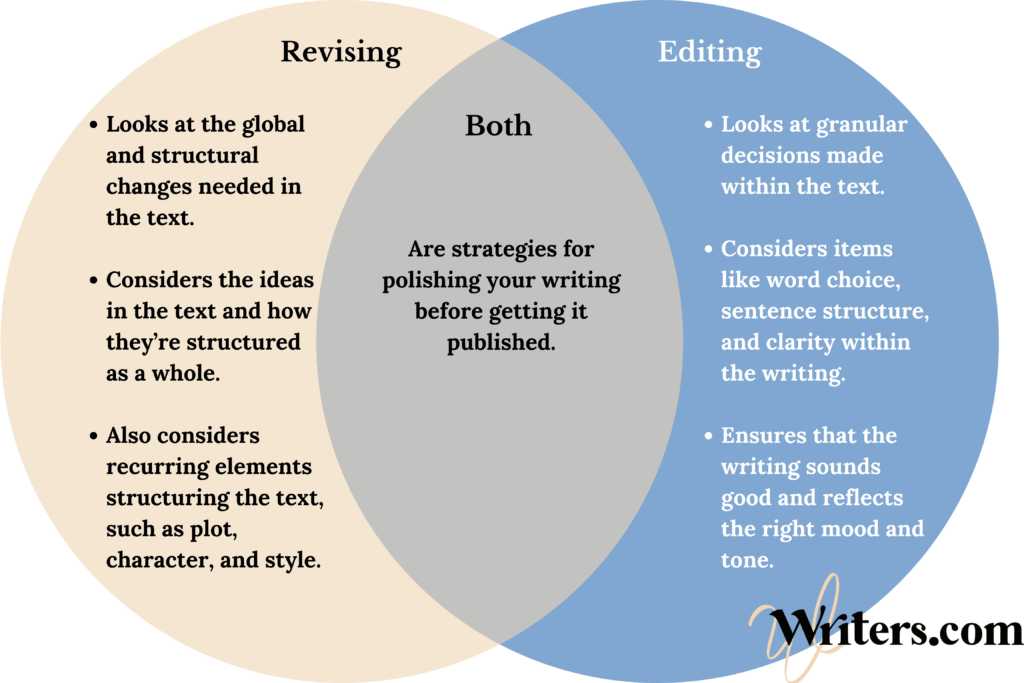
How to Use ChatGPT Responsibly
If you choose to utilize ChatGPT or similar tools, consider these best practices:
- Editing: Always review the generated content to align it with your voice.
- Fact-Checking: Ensure the information provided is accurate and up-to-date.
- Attribution: If applicable, disclose the use of AI in your writing process.
Responsible use is key to maximizing the benefits of AI while minimizing potential drawbacks.
In the landscape of writing, the ability to recognize whether ChatGPT has been used is complex. While AI has its limitations, it also offers valuable advantages. As we continue to navigate this evolving field, human creativity and emotional insight will remain essential for producing authentic and compelling content. The future may hold exciting collaborations between human writers and AI, leading to new forms of expression and communication.
How to not get caught using ChatGPT! #chatgpt
Frequently Asked Questions
“`html
Can ChatGPT’s writing style be distinguished from a human’s?
Yes, some readers may notice subtle differences between ChatGPT’s writing and human writing. ChatGPT tends to produce coherent and grammatically correct text consistently, which may sometimes lack the nuances or idiosyncrasies typical of human writing. These might include emotional tone variations, unique phrasing, or contextual references that a human might include.
What indicators suggest that a text was generated by an AI like ChatGPT?
Certain indicators can suggest a text was generated by AI, such as overly formal language, repetitive phrases, or a lack of deep personal insight. Additionally, if the text remains general without specific anecdotes or personal touches, it could indicate AI generation. Readers often look for these clues when assessing the authorship of a piece.
Can professionals accurately identify AI-generated content?
Professionals in fields like linguistics, content creation, or digital forensics may have tools and techniques to identify AI-generated content. They often analyze patterns, writing styles, and the presence of typical AI traits, such as uniformity and lack of specific context.
Does the context of the content affect recognition of AI use?
The context in which the content is placed plays a significant role in recognition. If the content fits seamlessly into a specific theme or style that matches the surrounding material, it may go unnoticed. However, if it introduces inconsistencies or deviates significantly from the expected tone, readers might suspect it was generated by AI.
Can AI-generated content be made indistinguishable from human writing?
While AI technology continues to improve, creating content indistinguishable from human writing remains challenging. Factors like creativity, emotional depth, and personal experiences are difficult for AI to replicate fully, which may still reveal the origin of the text to discerning readers.
“`
Final Thoughts
The use of ChatGPT in content creation raises questions about recognition. While some may identify AI-generated text through style and content, others might find it indistinguishable from human writing.
Ultimately, whether anyone can recognize if ChatGPT was used depends on the context and audience familiarity with AI. As AI tools evolve, so does their ability to mimic human-like responses, making detection increasingly challenging.

Similar Posts