Android See What Apps Are Using Battery Tips

Android See What Apps Are Using Battery
Understanding how your Android device uses its battery can make a big difference in keeping your phone working longer each day. Many Android users wonder which apps are draining their battery the most. The good news is, Android provides simple tools to see exactly what apps use the most power. This information helps you decide which apps to limit or remove to improve your device’s battery life. In this guide, we will explore everything you need to know about checking battery usage on your Android phone. We’ll walk through how to see which apps are using the most power, explain why some apps drain your battery more than others, and give you tips to manage power consumption better. Whether you own a new Android device or an older one, these steps are the same for most models and Android versions. Let’s start by understanding why monitoring battery use is important.Why Is It Important to Know Which Apps Use Your Battery?
Monitoring your Android phone’s battery usage helps you:- Extend your battery life by stopping or limiting power-hungry apps.
- Identify apps that are misbehaving or running in the background without your knowledge.
- Improve overall device performance by reducing unnecessary app activity.
- Save time and frustration by avoiding unexpected battery drain and shutdowns.
How to Check Battery Usage on an Android Phone
The process to see battery usage varies slightly depending on the Android version and manufacturer, but generally, the steps are quite similar. Here’s a simple step-by-step guide:Accessing Battery Usage Settings
- Open the Settings app on your Android device. This is usually represented by a gear icon on your home screen or app drawer.
- Scroll down and find the section labeled “Battery” or “Battery & Device Care,” depending on your device.
- Tap on “Battery” to open the battery management page.
Viewing the Battery Usage Details
Once you’re in the battery section, look for an option called “Battery Usage” or “Battery Usage Details.” This page shows a list of apps and system processes ranked by how much battery they’ve used since the last charge. Here’s what you can expect to see:- A graph or chart showing battery level over time.
- A list of apps and processes with percentages indicating their share of battery consumption.
- Additional details, such as the amount of time each app has been active.
Understanding Battery Usage Data
When you view the battery usage information, it’s important to understand what the numbers mean:- Percentage of Battery Used: Shows how much of your total battery drain each app has caused since your last charge.
- Time Active: Indicates how long a particular app has been running on your device during the current period.
- Foreground vs Background Activity: Distinguishes between the app being actively used (foreground) and running in the background.
Identifying Power-Hungry Apps
Some apps are more likely to drain your battery due to their functions. For example:- Video streaming apps like YouTube or Netflix.
- Navigation apps like Google Maps.
- SOCIAL media apps that update frequently, such as Facebook or Instagram.
- Game apps with high graphics and constant data exchange.
How to Reduce Battery Drain From Power-Hungry Apps
Once you identify apps that use excessive power, here are some effective ways to manage them:Force Stop Unnecessary Apps
- Go to Settings, then Battery.
- Select “Battery Usage” to see the list.
- Find the app draining the most power.
- Tap on the app and select “Force Stop.”
Restrict Background Activity
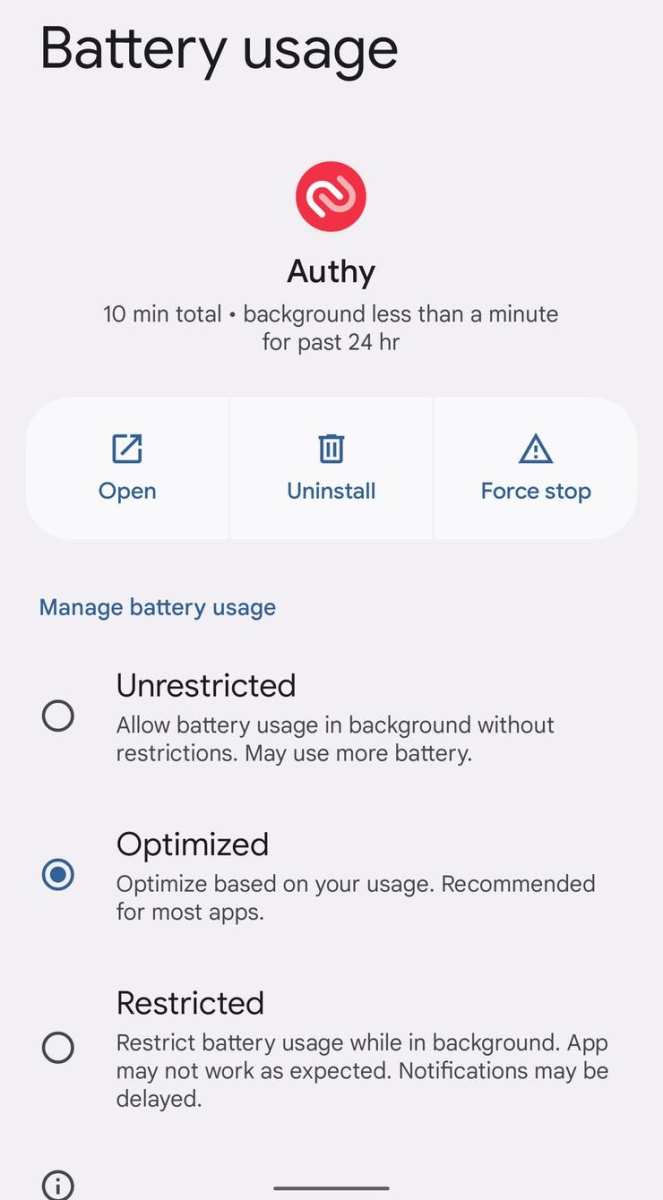
Many Android devices allow you to prevent apps from running in the background:- Navigate to Settings > Apps & Notifications > See All Apps.
- Select the app you want to restrict.
- Tap on “Battery” and choose “Background Restriction” or similar options.
Uninstall Unnecessary Apps
If you notice an app you don’t use often but consumes a lot of battery, uninstall it:- Hold down the app icon on your home screen or find it in the app drawer.
- Tap “Uninstall” or drag it to the uninstall area.
Additional Tips to Improve Battery Life
Apart from managing apps, other practices can help extend your device’s battery life:- Lower Screen Brightness: Reduce screen brightness or enable adaptive brightness.
- Use Power Saving Mode: Switch to battery saver mode when your battery is low.
- Turn Off Unnecessary Connectivity: Disable Wi-Fi, Bluetooth, or GPS when you don’t need them.
- Close Apps When Not in Use: Avoid leaving multiple apps open in the background.
- Update Apps and System Software: Keep everything updated for better efficiency and bug fixes.
Using Third-Party Apps to Monitor Battery Usage
While Android’s built-in tools are effective, some users prefer third-party apps for more detailed analysis. Popular options include:- GSam Battery Monitor: Offers detailed insights into app power consumption and device health.
- AccuBattery: Tracks battery capacity and usage over time.
- Battery Widget & Indicator: Provides real-time battery status and app-specific usage data.
Frequently Asked Questions
How can I identify which apps are consuming the most battery on my Android device?
To see which apps use the most battery, go to your device’s Settings, then tap on Battery or Battery Usage. Here, you’ll find a list of apps ranked by their power consumption. This view helps you pinpoint which applications draw the most energy, allowing you to manage or limit their usage if needed.
Is it possible to see real-time battery drain for individual apps on Android?
Most Android devices display overall battery consumption but may not offer real-time data for individual apps. However, some device manufacturers include detailed battery monitoring features within their custom settings. You can also use third-party apps to monitor battery usage over time, offering insights into how specific apps impact your battery life in real-time or within a specific period.
What steps should I take if an app is draining my battery excessively?
If you notice an app consumes a lot of battery, start by closing or force-stopping the app. You can also consider uninstalling updates or uninstalling the app altogether if it’s unnecessary. Additionally, adjusting app permissions, disabling background activity, or restricting background data can reduce its battery drain. Keeping your device and apps updated can also improve energy efficiency.
Can adjusting app settings help reduce battery usage on Android?
Yes, modifying app settings can significantly lower battery consumption. Turning off notifications, restricting background activity, and lowering app refresh rates are effective strategies. For apps that don’t require constant updates, disabling auto-sync or background data can help extend your device’s battery life while still allowing essential functions to operate.
How frequently should I check battery usage to maintain optimal performance?
It’s good practice to review your battery usage weekly or whenever you notice your device’s battery life declining faster than usual. Regular checks help you identify apps that drain energy unexpectedly and allow you to make adjustments to extend your device’s overall performance and battery longevity.
Final Thoughts
Understanding which apps use the most battery helps you manage your device better. Android provides built-in tools to monitor app usage and identify energy drainers. By regularly checking this information, you can extend your battery life effectively. In particular, knowing how to see what apps are using battery enables you to make smarter decisions about which apps to limit or uninstall. This knowledge keeps your device running smoothly and extends your battery lifespan. In conclusion, if you want to optimize your Android device, learn how to see what apps are using battery. Staying aware of app activity helps you maintain better control over your device’s performance.
Similar Posts