Android Battery Will Not Charge Fix Tips For 2023
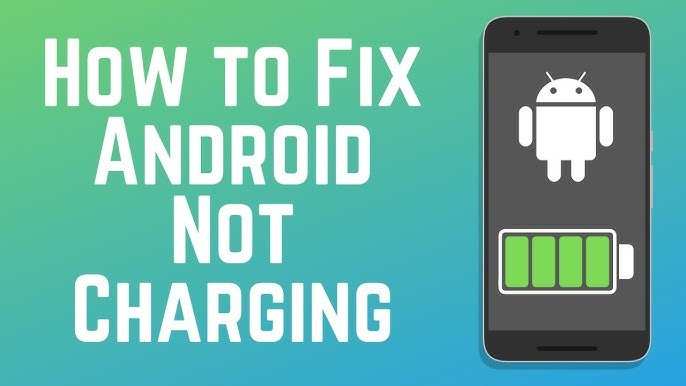

Why Won’t My Android Battery Charge? Troubleshooting and Solutions
If your Android phone’s battery refuses to charge, it can be frustrating and leave you feeling stuck. Whether your device shows no sign of charging at all or the charging process is extremely slow, understanding the possible reasons and how to fix them can save you a lot of hassle. In this article, we’ll explore common causes of charging problems on Android phones, step-by-step troubleshooting tips, and practical solutions to get your device powered up again.Understanding Why Your Android Battery Won’t Charge
Before jumping into fixes, it’s helpful to understand what might be causing your Android device to refuse charging. Several factors can interfere with the charging process, ranging from hardware issues to software glitches.- Damaged Charging Cable or Adapter: Sometimes, the issue is as simple as a faulty cable or power adapter. Over time, cables can wear out or develop internal breaks, preventing proper power flow.
- Dirty or Damaged Charging Port: Dust, lint, or debris build-up in the charging port can block connections. Physical damage to the port can also prevent charging.
- Software Glitches: Bugs or glitches in the Android operating system may disrupt the charging process or misreport battery status.
- Battery Age and Health: Batteries have a limited lifespan. Over time, their capacity diminishes, causing issues with charging or holding a charge.
- Faulty Hardware Components: Internal hardware issues, such as a damaged charging IC or motherboard problems, can prevent the device from charging properly.
Step-by-Step Troubleshooting for Android Charging Issues
Start with simple steps before moving on to more advanced fixes. Often, these initial actions resolve common problems without needing professional repair.Check Your Charging Equipment
First, verify that your charging cable and adapter are working correctly.- Try a Different Cable and Adapter: Use a different, compatible charger to see if the issue persists. Sometimes, cables or adapters fail silently, preventing charging.
- Inspect for Visible Damage: Look for fraying, bent connectors, or other signs of damage on your charging cable and adapter.
- Test on a Different Power Source: Plug into a different outlet or USB port to rule out power source problems.
Examine the Charging Port
The port is a common troublemaker. Follow these steps:- Clean the Port: Use a small, soft brush or a toothpick to gently remove dust, lint, or debris from the port. Be careful not to damage the pins inside.
- Inspect for Damage: Check for bent or broken pins, corrosion, or other signs of damage. If the port is physically damaged, professional repair may be necessary.
Perform a Soft Reset
Sometimes, a simple restart can resolve software glitches affecting charging.- Hold down the power button for about 10 seconds or until the device restarts.
- Check if the device begins charging after restart.
Test Charging with the Device Off
Turn off your Android device and then connect it to power. If the device charges now, this points towards software issues causing the problem when it’s on.Monitor Battery and Charging Behavior
Keep an eye on how your device reacts to different charging attempts:- Does it show a charging icon?
- Does the battery percentage increase?
- Does the device heat up excessively during charging?
Advanced Solutions for Persistent Charging Problems
When basic troubleshooting doesn’t solve the issue, consider these more technical fixes.Update Your Device Software
Software updates often fix bugs that could interfere with charging.- Go to Settings > System > Software Update.
- Download and install any available updates.
- Reboot your device and test charging again.
Perform a Factory Reset
If software glitches are suspected and updates don’t help, a factory reset might fix the problem. Remember to back up your data first, as this process erases all personal information.- Navigate to Settings > System > Reset > Factory Data Reset.
- Follow the prompts to reset the device.
- After reset, test if the device charges properly.
Calibrate Your Battery
Battery calibration can help your device correctly report battery levels:- Charge your phone to 100% and let it sit plugged in for an additional 30 minutes.
- Use your device until it turns off due to low battery.
- Charge it again uninterrupted to 100%, then use normally.
Check and Replace the Battery
Over time, batteries degrade and may need replacement.- Use a battery health app to assess the current condition of your battery.
- If the app indicates poor health or the battery drains quickly, consider replacing it.
- Replace the battery via an authorized service center or a professional technician.
Inspect Internal Hardware for Damage
If none of the above work, internal hardware issues might be the cause. Components like the charging port’s circuitry or the motherboard could be damaged.- Take your device to a certified repair shop for diagnostics.
- Replace damaged internal parts as recommended by professionals.
Preventive Measures to Avoid Future Charging Problems
Once you fix the current issue, follow these tips to keep your Android device charging smoothly:- Use Quality Charging Equipment: Always use original or certified chargers and cables.
- Avoid Excessive Bending: Don’t bend or twist cables excessively, as it damages internal wiring.
- Keep Ports Clean: Regularly clean the charging port to prevent debris build-up.
- Monitor Battery Health: If your battery shows signs of aging, consider replacing it early.
- Update Software Regularly: Keep your device’s system up to date to benefit from bug fixes and improvements.
Summary
Troubleshooting an Android device that won’t charge involves a combination of simple checks and more detailed repairs. Always start with basic steps like inspecting the charging cable, port, and restarting your phone. If those dont work, move onto software updates, calibration, or battery health checks. If hardware issues are suspected, professional repair becomes necessary. Following best practices can help prevent future problems, ensuring your device stays charged and ready when you need it. Remember, patience is key. Sometimes, a minor cleaning or cable replacement can resolve what seems like a serious issue. If all else fails, consulting a professional is the safest choice to protect your device from further damage.Frequently Asked Questions
What should I do if my Android device isn’t recognizing the charger?
If your Android device isn’t recognizing the charger, first inspect the charging port for dirt, debris, or damage. Use a soft brush or compressed air to clean the port carefully. Try using a different charging cable and adapter to see if the issue persists. Restart your device after reconnecting the charger, and ensure you’re using compatible accessories. If the problem continues, visit a service center for a detailed inspection.
How can I determine if my battery is faulty or damaged?
If your battery doesn’t hold a charge or drains quickly, it may be damaged. Check for signs such as swelling, overheating, or persistent system errors related to power. You can also try replacing the battery temporarily with a known working one to see if the charging issue resolves. If replacing the battery doesn’t help, the internal components might be the cause, and professional repair becomes necessary.
What software issues could cause my Android device not to charge properly?
Software glitches can interfere with charging processes. Perform a software update to ensure your device runs the latest version. Restart your device in safe mode to determine if a third-party app causes the problem. If the device charges normally in safe mode, uninstall recent apps that may be causing conflicts. Resetting your device to factory settings can also resolve persistent software-related charging issues, but back up your data first.
What are common hardware factors that prevent my Android phone from charging?
Hardware problems such as a damaged charging port, faulty battery connections, or a defective charging port component can prevent charging. Inspect the charging port for physical damage or corrosion. If you notice any damage, professional repair or replacement of the port or battery may be necessary. Avoid using force when inserting cables to prevent further damage.
Can environmental conditions affect my Android device’s ability to charge?
Extremely hot or cold temperatures can impact your device’s charging ability. Avoid charging your phone in direct sunlight or freezing conditions, as these environments can cause the battery to malfunction. Keep your device in a moderate temperature setting, and ensure it is dry. If environmental factors have caused overheating or moisture buildup, allow the device to return to normal conditions before attempting to charge again.
Final Thoughts
Android battery will not charge due to various reasons like faulty charging ports, damaged cables, or software glitches. First, check and clean the charging port to remove debris. Switch cables and chargers to confirm they work properly. Updating your device software or performing a reset can resolve software issues that prevent charging. If these steps don’t work, hardware problems may be the cause. Addressing these issues promptly ensures your device charges properly. Overall, troubleshooting can fix the problem of ‘android battery will not charge’ effectively.
Similar Posts