Effective Tips For Android Battery Bypass Charging
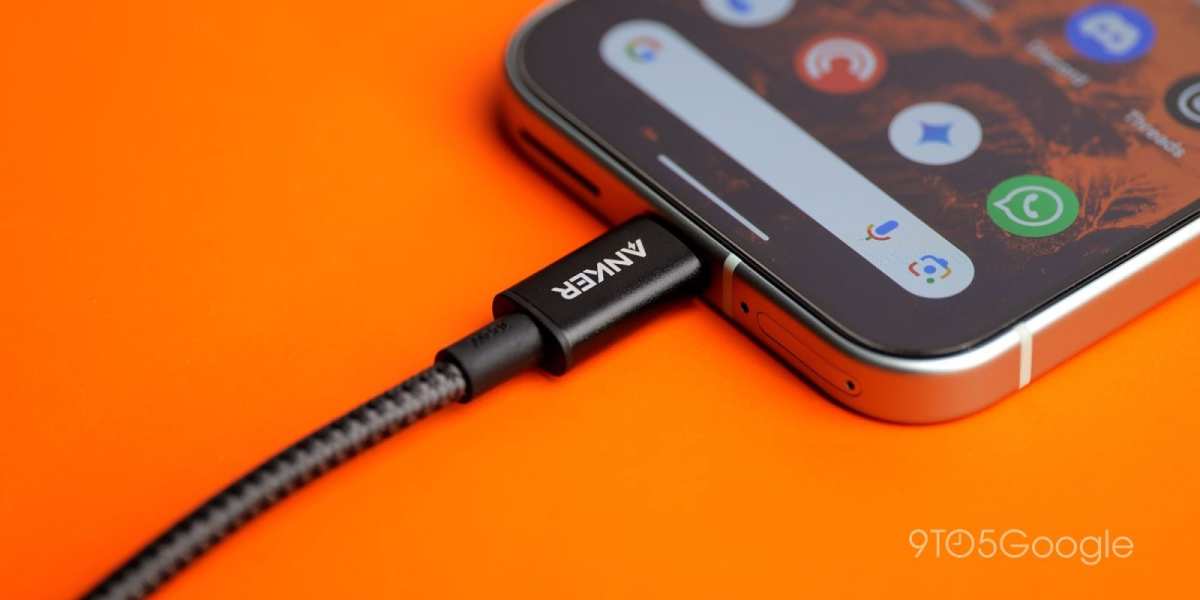

Understanding Android Battery Bypass Charging: What You Need to Know
If you own an android device, you’ve probably heard about the concept of battery bypass charging. You might wonder, what exactly does this mean? Why do some people try to bypass the usual charging process? And is it safe to do so? In this article, we’ll take a deep dive into the world of android battery bypass charging, explaining what it is, how it works, and the risks involved. By the end, you’ll have a clear understanding of whether this technique is right for you and how to approach it responsibly.
What is Android Battery Bypass Charging?
At its core, Android battery bypass charging is a method used to charge your phone’s battery outside of its standard charging process. Normally, when you plug your phone into a charger, it goes through a series of safety checks and controls to ensure the battery charges properly and safely. Bypassing these controls means using alternative methods to charge the battery directly or modify the device’s charging process.
People might attempt to do this for various reasons:
- Quick charging when the normal charger isn’t working
- Charging a device that is unresponsive or stuck in a boot loop
- Restoring power to a dead or damaged battery
- Custom projects or experimenting with hardware modifications
How Does Android Charging Work?
Understanding the normal charging process helps clarify what bypassing involves. Android devices typically use a combination of hardware and software to control charging:
- Charging port detects when a charger is connected
- The device’s software communicates with the charger to determine voltage and current levels
- The battery management system (BMS) controls the flow of energy into the battery, preventing overcharging or overheating
- Indicators inform the user about charging status, such as “Charging” or “Battery Full”
This process ensures that the battery charges safely and efficiently. Bypassing this process means overriding some of these safety measures, which can pose risks but also solve specific problems in certain situations.
Methods of Android Battery Bypass Charging
Several technical approaches exist for bypassing the regular charging system. These methods vary based on the device model, hardware modifications, and the skill level of the user. Here are some common techniques:
Hardware Bypass
This method involves physically modifying the device’s internal hardware or wiring to supply power directly to the battery or the device’s circuit. It might include:
- Using jumper wires to connect power directly from a power source to the battery terminals
- Replacing damaged charging ports with custom connectors
- Connecting external power supplies directly to the device’s battery management system
Software-Based Bypass
This approach involves modifying the device’s software or firmware to ignore certain safety checks or alter charging parameters. It might include:
- Using custom ROMs or root access to adjust charging limits
- Flashing specialized firmware designed for bypassing
- Utilizing specialized apps or scripts that manipulate system files related to charging
Using External Charging Devices
Some users opt for external power supplies or chargers designed specifically for bypassing the internal safety mechanisms. These devices can supply power directly to the battery or device circuitry without going through standard charging routines.
Risks and Precautions
While bypassing the typical charging process can be helpful in specific cases, it comes with substantial risks:
- Overheating: Bypassing safety controls can cause the battery or device to overheat, leading to damage or even fire hazards.
- Battery Damage: Charging outside normal limits can harm the battery, reducing its lifespan or causing it to swell or leak.
- Device Malfunction: Hardware modifications might cause the device to behave abnormally or become unresponsive.
- Voiding Warranties: Performing hardware or software modifications can void your device’s warranty, leaving you without support from the manufacturer.
- Legal and Safety Issues: In some regions, bypassing safety features may be illegal or discouraged due to safety concerns.
When Should You Consider Bypassing Charging?
Most users should avoid trying to bypass the charging process unless necessary. Typical scenarios where it might be considered include:
- Your device’s battery is completely dead and won’t charge through normal means
- The charging port is damaged or non-functional
- You are working on a repair project with proper knowledge and safety precautions
- You have exhausted all other options for restoring power but need a temporary solution
In such cases, always proceed with caution, and if possible, consult a professional technician or experienced hobbyist before attempting any modifications.
Legal and Ethical Considerations
It’s essential to understand that bypassing charging controls can have legal and ethical implications. Manufacturers implement safety measures to protect users and their devices. Bypassing these controls not only risks personal safety but may also violate warranty agreements or local laws. Always weigh the potential benefits against the possible consequences before attempting to bypass charging systems.
Alternatives to Bypassing Charging Systems
Before considering bypass methods, explore safer options:
- Use a different charging cable or power adapter
- Try a different power outlet
- Clean the charging port to remove debris or corrosion
- Replace the battery if it no longer holds a charge
- Perform a software reset or update to fix charging issues
Tools and Equipment for Battery Bypass
If you decide to undertake a bypass, you’ll need specific tools and equipment, such as:
- Soldering iron and solder for hardware modifications
- Multimeter to test voltages and connections
- Replacement wires and connectors
- Custom firmware or root access for software modifications
- External power supplies or chargers designed for bypassing
Final Thoughts on Android Battery Bypass Charging
While bypassing the standard charging process on Android devices can offer solutions in particular circumstances, it carries notable risks. It is not a recommended practice for everyday use or inexperienced users. Focus on proper maintenance, using quality chargers, and timely repairs for your device. If you absolutely must explore bypass methods, seek guidance from professionals and proceed carefully, always prioritizing safety. Remember, your device’s safety and longevity depend on responsible handling and adherence to proper charging practices.
Frequently Asked Questions
What are the common reasons an Android device might prevent charging from bypassing the battery?
Android devices can restrict charging or show warning messages due to software glitches, battery health issues, or hardware faults. Sometimes, firmware corruption or security settings also interfere with charging functions, especially if the device detects abnormal activity or tampering. Ensuring the battery and charging port are in good condition can help prevent such restrictions from occurring.
How can I safely bypass the charging limitations without damaging my device?
To avoid damage, always use compatible chargers and cables. If your device restricts charging due to software issues, consider performing a factory reset or updating the firmware. Avoid using unverified third-party tools or methods that alter your device’s settings or hardware, as these can cause irreversible damage or void your warranty. Seek professional assistance if you’re unsure about any bypass procedures.
Are there risks involved in bypassing the charging restrictions on an Android device?
Yes, bypassing charging safeguards can lead to overheating, battery swelling, or damage to internal components. It may also compromise the device’s security protocols, increasing vulnerability to malware or unauthorized access. Additionally, such modifications might void your warranty and prevent official support from the manufacturer. Always weigh the risks and take precautions when considering bypass methods.
What alternative solutions exist if my Android device refuses to charge normally?
If your device won’t charge, try cleaning the charging port and testing with a different cable and charger. Restart your device or perform a soft reset. Updating your device’s software can fix bugs causing charging issues. In cases where hardware damage is suspected, seek professional repair services instead of attempting risky bypass techniques.
How do software updates impact charging functionality on Android devices?
Software updates often include bug fixes and improvements that can resolve charging-related issues. Keeping your device up to date ensures compatibility with the latest charging protocols and security features. Sometimes, updates may also disable certain features that interfere with charging, leading to more stable operation and minimized need for bypass methods.
Final Thoughts
In conclusion, understanding android battery bypass charging helps users manage their device’s power more effectively. This method allows for continuous device use when traditional charging is unavailable. By employing these techniques, users can maximize battery life and avoid unexpected shutdowns. Ultimately, android battery bypass charging proves to be a useful tool in extending device functionality during critical moments.
Similar Posts