Why Are Curved Monitors More Expensive
Why Are Curved Monitors More Expensive
Have you ever looked at a curved monitor and wondered why it costs more than its flat counterpart? It’s a common question, and the answer lies in a fascinating blend of innovative technology, complex manufacturing, and the very benefits that make them so appealing. In this guide, we’ll break down exactly why curved monitors command a higher price tag, helping you understand the value behind that extra expense. You’ll learn about the intricate processes involved in creating that elegant curve, the materials that make it possible, and the research that goes into perfecting your viewing experience. By the end of this guide, you’ll have a clear understanding of the factors contributing to the cost of curved monitors and be better equipped to decide if they’re the right fit for your setup.Key Takeaways
- Advanced Manufacturing Processes: The precise bending of glass panels requires specialized equipment and techniques, contributing to higher production costs compared to flat panels.
- Material Costs: The specialized materials and coatings used to achieve the desired curve and maintain optical clarity can be more expensive than those used in standard flat monitors.
- R&D Investment: Significant research and development are needed to perfect the curvature, reduce distortion, and ensure optimal viewing angles, adding to the overall cost.
- Increased Durability and Structural Integrity: The curved design often necessitates stronger frames and mounting systems to maintain rigidity, increasing material and engineering expenses.
- Enhanced Viewing Experience: While more expensive, the immersive visual field, reduced eye strain, and wider field of view are key benefits that justify the premium for many users.
- Scale of Production: Historically, curved monitors were produced in smaller batches, leading to higher per-unit manufacturing costs. As adoption grows, this disparity is lessening.
Understanding the Curve: It’s More Than Just a Shape
The curvature of a monitor isn’t just a cosmetic choice; it’s a carefully engineered design element. This curve is meticulously calculated to wrap around your field of vision, creating a more immersive and comfortable viewing experience. But achieving this precise curvature is where the cost begins to climb.The Manufacturing Maze: Bending Technology and Precision
Producing a curved monitor is a significantly more complex undertaking than manufacturing a flat one. The process requires specialized machinery and highly skilled labor.Precision Glass Bending
The heart of a curved monitor is its panel. Unlike flat panels that are manufactured on large, flat surfaces, curved panels require specialized bending techniques. This often involves heating the glass to a precise temperature and then gently bending it over a mold.Tip: Imagine trying to bend a sheet of glass without breaking it. It requires extreme control over temperature, pressure, and time. Any slight deviation can result in micro-fractures or an inconsistent curve, rendering the panel unusable.
Visual guide about Why Are Curved Monitors More Expensive
Specialized Equipment and Molds
The machinery used for bending glass is sophisticated and expensive. These machines are designed to handle large, delicate glass panels and apply the exact amount of force needed to achieve the desired radius of curvature. Custom molds are also created for each specific monitor design, adding another layer of cost.Quality Control at Every Step
The stringent quality control measures necessary during the bending process also contribute to the cost. Each panel must be inspected for imperfections that could affect its optical performance. Defects that might be acceptable on a flat panel could be amplified by the curve, leading to increased rejection rates.The Importance of the Radius
The “radius of curvature” is a critical specification for any curved monitor. It dictates how much the screen bends inward. Common radii include 1800R, 1500R, and 1000R, where ‘R’ stands for radius, and the number indicates the distance in millimeters from the screen to the center of the circle it forms. A smaller number, like 1000R, means a tighter, more aggressive curve. Achieving a consistent and accurate radius across the entire panel is a testament to the precision engineering involved. This precision is a significant cost driver. For gaming setups, choosing the right curve can significantly impact immersion—learn more in our guide on what is the best monitor size for gaming.Material Matters: The Cost of Quality and Durability
Beyond the glass itself, the materials used in curved monitors contribute to their higher price. These materials are chosen to enhance the viewing experience and ensure the structural integrity of the curved design.Specialized Glass and Coatings
While all monitors use glass, the glass used for curved panels might be selected for its specific optical properties to minimize distortion when curved. Furthermore, anti-glare and anti-reflective coatings are crucial to counteract potential light scattering and reflections caused by the curved surface. These specialized coatings can be more expensive than standard ones.Structural Reinforcement
A curved panel is inherently less rigid than a flat one. To prevent flexing and maintain the integrity of the curve, manufacturers often employ stronger frames and internal support structures. This involves using more robust materials and more complex engineering for the monitor’s chassis and stand.Example: Think of a piece of paper. It bends easily. Now imagine trying to keep that bent paper perfectly in shape without any support. You’d need to reinforce its edges or back. Curved monitor frames serve a similar purpose, adding to material and design costs.
Visual guide about Why Are Curved Monitors More Expensive
Research and Development: The Brains Behind the Curve
Developing a truly effective curved monitor involves extensive research and development. Engineers and designers work to optimize the curvature for various viewing distances and screen sizes, ensuring the benefits are realized without introducing new problems.Optimizing the Viewing Experience
The goal of a curved monitor is to provide an immersive experience. This means minimizing distortion at the edges of the screen and ensuring that colors and brightness remain consistent across the entire display. Developers spend considerable time on algorithms and panel calibration to achieve this.Ergonomics and Eye Comfort
One of the key selling points of curved monitors is reduced eye strain. The curve is designed to mimic the natural curvature of the human eye, reducing the need for your eyes to refocus as you scan across the screen. Significant R&D goes into determining the optimal curvature that provides the most ergonomic benefit for the average user.Practical Tip: When choosing a curved monitor, consider its “R” rating. A tighter curve (lower ‘R’ value) might be more immersive for gaming or watching movies, while a gentler curve (higher ‘R’ value) might be better for productivity tasks at a typical desk distance. If you’re building a competitive gaming setup, also check out our breakdown on what makes a monitor good for gaming.

Visual guide about Why Are Curved Monitors More Expensive
Scale of Production: A Matter of Demand
Historically, curved monitors were considered a niche product. As with many new technologies, early production runs were smaller, leading to higher per-unit manufacturing costs. The specialized machinery and processes were spread over fewer units.Growing Demand, Shifting Costs
As curved monitors gain popularity, the scale of production is increasing. This larger scale allows manufacturers to achieve economies of scale, potentially bringing down the cost per unit over time. However, the inherent complexity of the manufacturing process means they are still likely to remain more expensive than their flat counterparts.The Benefits: What Your Extra Money Buys
So, why are curved monitors more expensive? Because you’re paying for innovation, precision engineering, and a demonstrably better viewing experience in many scenarios. Let’s recap the benefits that justify the premium:1. Enhanced Immersion
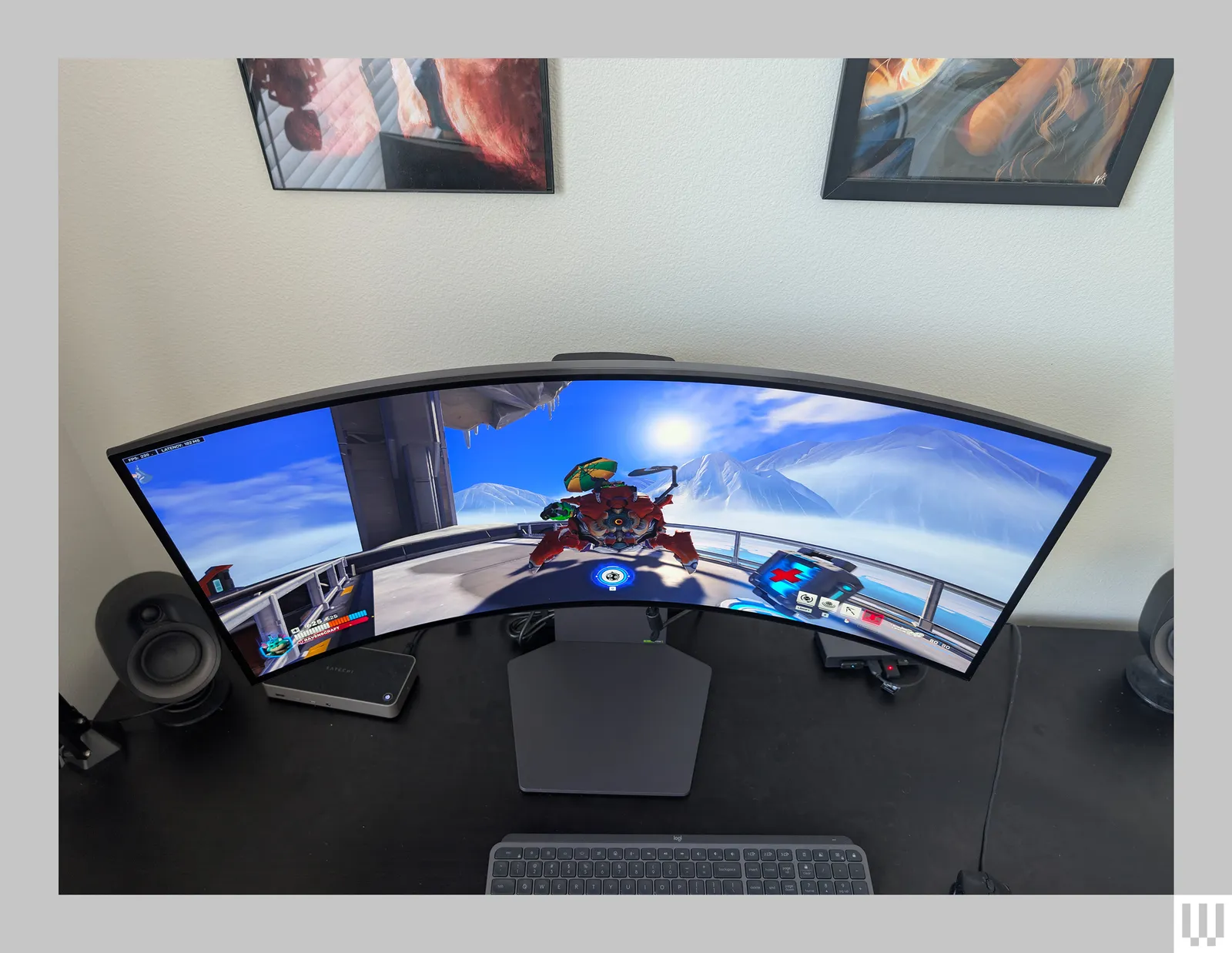
The primary advantage is the immersive quality. The curve wraps around your peripheral vision, pulling you deeper into games, movies, and even complex software. It creates a more captivating visual experience, making the screen feel larger than its actual size.Example: Imagine playing a racing game. The curved monitor can make you feel like you’re sitting in the cockpit, with the track extending naturally to your sides. For racing enthusiasts, this effect is even more pronounced—discover why in our article on is ultrawide monitor better for racing games.
2. Reduced Eye Strain and Fatigue
As mentioned, the curvature aligns more naturally with how our eyes work. This can lead to less refocusing and reduced eye strain, especially during long computing sessions. Many users report feeling less fatigue at the end of the day.3. Wider Field of View
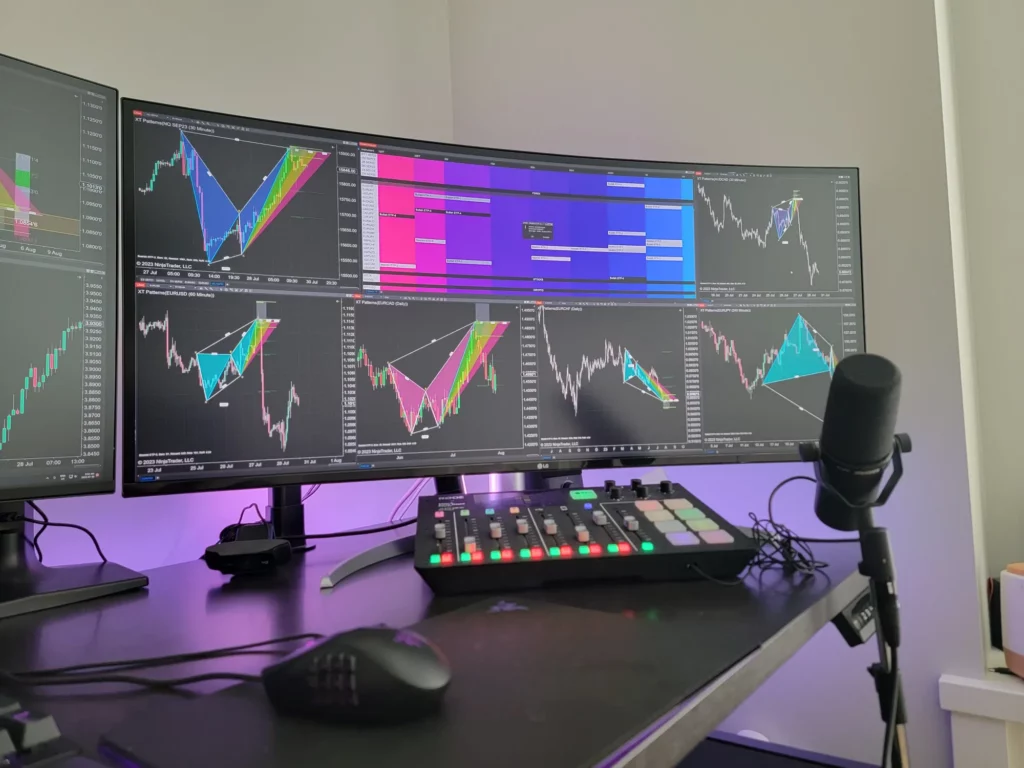
For ultrawide curved monitors, the curvature significantly enhances the perceived field of view. This is invaluable for multitasking, creative work, and competitive gaming where situational awareness is key.4. Improved Picture Quality (Perceived)
While the fundamental pixel technology might be the same as a flat monitor, the curve can reduce glare and reflections by directing light more uniformly towards your eyes. This can lead to a perception of better contrast and clarity.5. Aesthetic Appeal
Let’s not forget the modern, sleek look. Curved monitors can add a touch of sophistication to any desk setup. The design itself is often a draw for consumers.Troubleshooting Common Curved Monitor Perceptions
While curved monitors offer many advantages, some users might have concerns or questions about their price and performance.“Will the curve distort straight lines?”
Modern curved monitors are designed with very specific radii to minimize perceived distortion for the human eye. While technically, straight lines might appear subtly bowed on very close inspection, for typical viewing distances, this distortion is negligible and often unnoticeable. The brain adapts quickly.“Are they good for productivity and text?”
Yes, especially for ultrawide models. The reduced eye strain and wider field of view can actually enhance productivity by allowing you to see more of your work without excessive head or eye movement. For standard resolutions, text is generally crisp and clear.“Is a more aggressive curve better?”
This is subjective and depends on your usage. A tighter curve (lower ‘R’ value) provides more immersion but might feel overwhelming for some users or for specific tasks. A gentler curve offers a more subtle enhancement. It’s best to try different curves if possible or read reviews that discuss the specific radius.Conclusion: The Premium of Precision and Immersion
So, to directly answer the question “Why are curved monitors more expensive?” it boils down to a combination of factors: the sophisticated manufacturing processes required to bend glass precisely, the specialized materials used, the extensive research and development invested in optimizing the viewing experience, and historically, the economies of scale. The higher cost is the price you pay for the immersive viewing experience, the enhanced comfort, and the advanced engineering that goes into every curved display. As technology advances and demand grows, we may see the price gap continue to narrow. However, for many users, the tangible benefits of a curved monitor make the investment well worth it. It’s not just a shape; it’s a carefully crafted window into your digital world, designed to be more engaging and comfortable than ever before.
Similar Posts