How To Make Your Own Wallpaper For Android Step-By-Step

How to Make Your Own Wallpaper for Android
Creating your own wallpaper for your Android device can be a fun way to personalize your phone or tablet. Instead of sticking with default images or downloading wallpapers, designing your own allows you to showcase your personality, favorite colors, or memories in a unique way. Whether you’re a beginner or have some experience with design, this guide will walk you through the entire process step by step, sharing tips and tricks to make the best custom wallpaper for your Android device.Understanding the Basics of Android Wallpapers
Before diving into creating your own wallpaper, it’s helpful to understand some basics about Android wallpapers. This knowledge will help you choose appropriate tools, dimensions, and formats, so your final creation fits perfectly on your screen and looks great.- Wallpaper Dimensions: Most Android devices have different screen sizes, but common resolutions include 1080×1920 pixels (Full HD), 1440×2560 pixels (Quad HD), and sometimes even larger for newer devices. To ensure your wallpaper looks sharp and clear, design it in the resolution closest to your device’s screen size.
- Image Format: Use popular image formats like JPEG or PNG. PNG is great for images with transparency or sharper details, while JPEG works well for photographs and colorful images with many details.
- File Size: Keep your final image under 10MB to prevent long loading times and ensure quick application on your device.
Choosing the Right Tools for Creating Wallpapers
You don’t need professional software to make high-quality wallpapers. There are many free and user-friendly options to choose from, whether you prefer working on a computer or directly on your Android device.Photo Editing Apps for Android
If you want to create or edit images directly on your phone, consider these apps:- Canva: Offers customizable templates and easy-to-use editing tools, perfect for beginners.
- Pixlr: A powerful editor with filters, overlays, and adjustment options to make your wallpaper stand out.
- Adobe Photoshop Express: Provides advanced editing features in a simplified interface.
Design Software for Computer
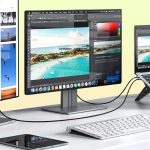
For more control and complex designs, software on your computer can be beneficial:- Adobe Photoshop: Industry-standard tool with endless possibilities, ideal for detailed and layered designs.
- GIMP: Free and open-source alternative to Photoshop, suitable for creating professional-looking wallpapers.
- Canva (Desktop Version): Web-based, easy-to-use with ready-made templates and design elements.
Steps to Create Your Own Wallpaper
Now, let’s go through the step-by-step process of designing your very own wallpaper. Remember, at each stage, you can customize based on your preferences – colors, images, and text.Step 1: Decide on Your Theme
Start by choosing a theme or idea for your wallpaper. Do you want a vibrant abstract pattern, a favorite photo, a motivational quote, or a combination? Having a clear idea helps guide your design.Step 2: Gather Your Resources
Collect images, textures, patterns, or design elements you want to include. Make sure these are high resolution to prevent pixelation. Free image sites like Unsplash, Pexels, and Pixabay are excellent sources for high-quality photos that are free to use.Step 3: Set Your Canvas Size
Open your chosen editing app and set the canvas or workspace to your device’s screen resolution. For instance, if your device has a 1080×1920 screen, set your canvas to this size.Step 4: Design Your Background
Begin with the background layer. This could be a solid color, gradient, pattern, or an image. Use tools like gradient fills or overlays to add depth. Keep in mind that cluttered backgrounds can distract from app icons, so aim for a balance between visual interest and simplicity.Step 5: Add Elements and Details
Incorporate additional elements such as shapes, lines, illustrations, or photos. Use layers to organize your design, allowing you to move elements around easily. Play with transparency and blending modes for more artistic effects.Step 6: Insert Text or Quotes (Optional)
If you want to include text, select a font that matches your theme and ensure it is legible. Keep the font size appropriate and avoid overcrowding the image. Remember, your icons will sit over this design, so don’t add too much text or it might get hidden.Step 7: Review and Finalize
Zoom out and review your wallpaper. Check how the composition looks visually and make adjustments if needed. Ensure important elements are not obscured by app icons or widgets area.Step 8: Save Your Design
Export your wallpaper in PNG or JPEG format, ideally in the highest resolution possible while keeping the file size manageable. Name your file clearly so you can find it easily when setting it as wallpaper.Applying Your Custom Wallpaper on Android
Once your image is ready, it’s simple to set it as your wallpaper. Here’s how:- Go to your device’s Gallery or Photos app and locate your saved wallpaper image.
- Tap on the image and select the Set as wallpaper option.
- Choose whether you want it as your home screen, lock screen, or both.
- Adjust the positioning if prompted to fit your screen perfectly.
- Confirm your selection, and enjoy your personalized wallpaper!
Tips for Creating Stunning Wallpapers
Creating eye-catching wallpapers requires a mix of creativity and technical tips. Here are some suggestions to make your designs more appealing:- Use bold colors that match your personality or mood.
- Experiment with symmetry and patterns for interesting visual effects.
- Keep the main focus centered or aligned according to your home screen layout.
- Play with transparency levels to create depth and layering.
- Balance your design to avoid overcrowding; negative space can make your wallpaper more elegant.
- Test your wallpaper on your device to see how it looks with app icons and widgets.
Enhancing Your Wallpapers with Creative Effects
Adding special effects can elevate your wallpaper designs:Using Filters and Overlays
Most apps allow applying filters like sepia, monochrome, or vintage effects to set a mood. Overlays like light leaks, bokeh, or textures can add artistic flair.Adding Textures and Patterns
Overlay textures or repeating patterns can give your wallpaper a tactile feel. Use transparent PNG files and blend modes to integrate these effects seamlessly.Incorporating Custom Illustrations
If you have drawing skills, create your own illustrations or doodles. Incorporate them into your wallpaper for a personal touch. Making your own wallpaper for Android is a process that involves creativity, planning, and some basic knowledge of image editing tools. It’s a great way to express your style and make your device truly yours. By choosing the right tools, setting the perfect dimensions, and designing thoughtfully, you can craft wallpapers that brighten your day every time you unlock your phone. Keep experimenting with different themes, colors, and effects to develop a collection of wallpapers that makes your Android device stand out. Remember, the best wallpaper is one that makes you happy every time you see it.Frequently Asked Questions
What are some easy apps to create your own wallpaper on Android?
You can use apps like Canva, Adobe Spark Post, or Pixlr to design personalized wallpapers. These apps offer user-friendly interfaces, customizable templates, and a variety of editing tools. Simply select a template or start from scratch, add your images or text, and save your creation for use as a wallpaper.
How can you incorporate personal photos into your Android wallpaper?
To include your own photos, open a photo editing app such as Snapseed or PicsArt. Import your image, crop or resize it to fit your screen dimensions, then add effects or overlays if desired. Save the edited photo, and then set it as your wallpaper through your device’s wallpaper settings.
What steps are involved in designing a wallpaper with custom graphics or artwork?
Begin by choosing a graphic design app like Adobe Illustrator Draw or Procreate. Create your artwork, keeping in mind the dimensions of your device’s screen. Export the final design as an image file, transfer it to your Android device if necessary, and set it as your wallpaper through the device settings or gallery app.
Can you make a live wallpaper for Android, and how?
Yes, you can create a live wallpaper using apps like Wallpaper Engine or Zooper Widget. These tools allow you to make animated backgrounds or interactive wallpapers. After designing or selecting your live wallpaper, install it and select it from the wallpaper settings to add dynamic effects to your home screen.
What should you consider when customizing wallpaper dimensions for Android?
Always match your wallpaper size to your device’s screen resolution to ensure the best fit and quality. You can find your screen resolution in the device’s display settings or user manual. Designing or cropping your images to these dimensions avoids distortion and ensures your wallpaper looks sharp on your home screen.
Final Thoughts
To make your own wallpaper for Android, start by selecting an image or creating a design using graphic software. Adjust the size and resolution to match your device’s screen. Save the file in a compatible format like JPEG or PNG. Transfer the image to your device and set it as wallpaper through your gallery or settings menu. Customize further with apps that add effects or modify the image. In summary, how to make your own wallpaper for Android is straightforward: choose your design, prepare the image, and set it as your background. This simple process lets you personalize your device easily.
Similar Posts