How To Make Video Files Smaller Android Efficiently
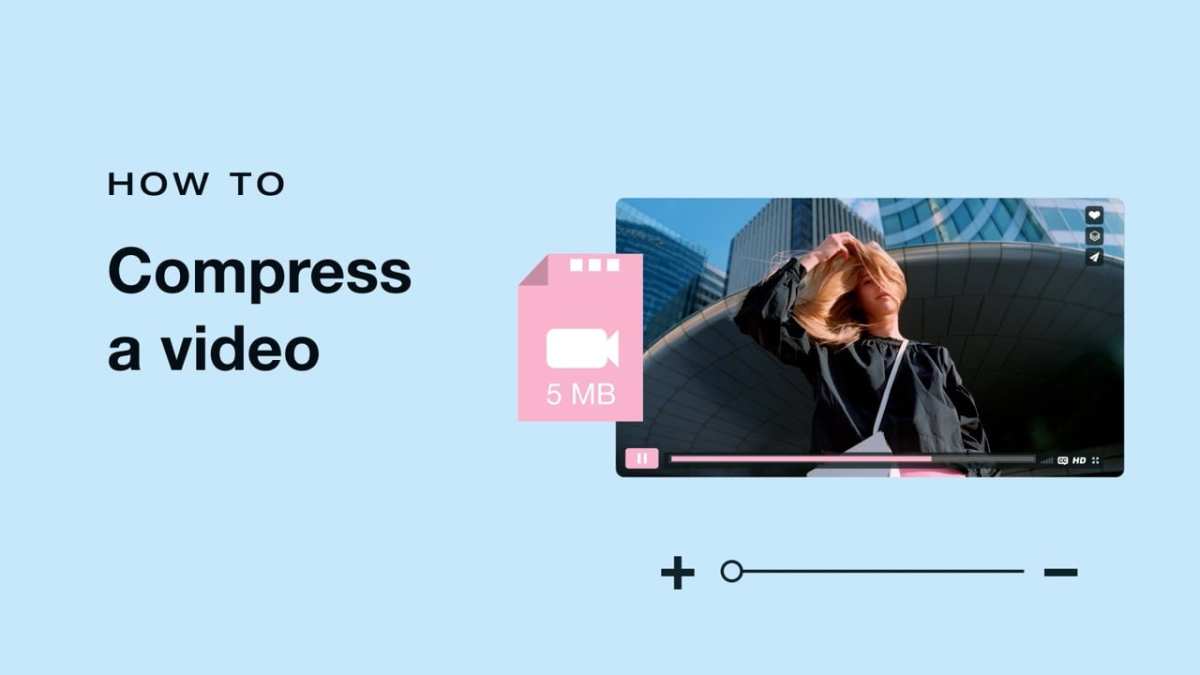

How to Make Video Files Smaller on Android Devices
Managing storage space on your Android device can be frustrating, especially when you have large video files. Whether you’re trying to send a video via messaging apps, upload to social media, or just want to save space, reducing the size of your videos becomes essential. Luckily, there are several effective ways to make your video files smaller on Android. This guide will walk you through multiple methods, tools, and tips to help you compress videos easily and efficiently.Understanding Why Video Files Are Large
Before diving into how to make videos smaller, it’s helpful to understand why they tend to be so big in the first place. Videos are made up of many images played rapidly in sequence, and they can also include sound. The quality of the video, such as resolution and bitrate, directly impacts its size. Key factors affecting video file size include:- Resolution: Higher resolution videos (like 4K) are larger than lower ones (like 480p).
- Bitrate: This defines how much data is processed per second. A higher bitrate often means better quality but larger files.
- Codec: This is the method used to compress and decompress the video. Modern codecs like H.264 or H.265 (HEVC) are more efficient and produce smaller files with good quality.
- Video Length: The longer the video, the larger its size will be.
Methods to Make Video Files Smaller on Android
There are multiple ways to reduce video file size on your Android device, ranging from using built-in apps to third-party tools. Let’s explore each method in detail.Using Built-in Gallery Apps
Many Android phones include basic editing tools in their gallery or photos app, which sometimes allow you to trim videos or reduce resolution.- Trim the video: Cut out unnecessary parts to make the video shorter, thus reducing the size.
- Change resolution: Some gallery apps offer options to save videos in lower resolution.
Utilizing Video Compression Apps
For more control over video quality and size, dedicated compression apps are your best option. Here are some popular options:- Video Compressor & Converter: This app allows you to choose the output resolution, bitrate, and format to balance quality and size.
- YouCut: Not only can you trim videos, but it also offers compression features with various preset options.
- VidCompact: This app provides user-friendly options to compress videos quickly with minimal quality loss.
Step-by-Step Guide to Compress Videos with Apps
Here is a general process to compress videos using a typical Android app:- Download and install a reputable video compression app from the Google Play Store.
- Open the app and select the video you want to compress from your device storage.
- Choose the desired output resolution. Lower resolutions will produce smaller files.
- Adjust other options like bitrate or quality settings if available. Usually, a medium bitrate maintains decent quality.
- Tap on the ‘Compress’ or ‘Start’ button and wait for the process to finish.
- Save the compressed video back to your device or share it directly from the app.
Converting Videos to Different Formats
Sometimes, compressing the video further involves changing its format. Certain formats are more efficient and result in smaller files.- MP4 (H.264 or H.265): Commonly supported and efficient in compression.
- WebM: An open format that offers good compression rates.
Using Video Editing Software for Custom Compression
Advanced users can utilize more robust editing software to control every aspect of compression:- KineMaster: This app offers professional-level controls over resolution, bitrate, and encoding options.
- InShot: Popular for quick edits and compression with preset options to reduce size.
Tips for Effective Video Compression on Android
Compressing videos isn’t just about reducing size; you want the best possible quality after compression. Here are some helpful tips:- Lower the resolution: If the video doesn’t need to be very high quality, reducing to 720p or even 480p can make a big difference.
- Reduce bitrate: Lower bitrate settings result in smaller files but can cause quality loss. Find a good balance.
- Trim unnecessary parts: Cut out sections you don’t need to save space.
- Use efficient codecs: H.265 (HEVC) provides better compression than H.264, so choose compatible apps that support it.
Comparing Compression Tools: Which One Is Right for You?
| Feature | Built-in Gallery | Third-party Apps | Video Converters | Advanced Editors | |—|—|—|—|—| | Ease of Use | Easy for quick edits | User-friendly | Slightly technical | More complex, professional features | | Customization | Limited options | Good control over settings | Format-specific | Full control over resolution, format, bitrate | | File Size Reduction | Minimal | Moderate to significant | Varies | Maximal, depending on settings | | Quality Preservation | Often limited | Good, with proper settings | Depends on conversion | High, if used carefully | Choose the tool that best suits your needs based on how much control you want and how simple the process should be.Additional Tips for Managing Large Video Files on Android
Beyond compressing videos, consider these tips to better manage videos on your Android device:- Use cloud storage: Upload videos to Google Drive, Dropbox, or other cloud services to free up device storage.
- Regularly delete unused videos: Remove videos you no longer need.
- Transfer files to a computer: Move larger videos to your PC or external drive for safekeeping and freeing up space.
Frequently Asked Questions
What are some apps to reduce video file size on Android?
Several apps can help you compress video files directly on your Android device. Popular options include Video Compressor, Vidcompact, and YouCut. These apps allow you to adjust video resolution, quality, and format to decrease file size effectively. Before choosing an app, check user reviews and compatibility with your device to ensure smooth performance and satisfactory results.
How can changing the video resolution affect file size on Android?
Lowering the resolution of a video reduces the number of pixels, which directly decreases the file size. For example, switching from 1080p to 720p or 480p can significantly reduce the size without drastically affecting viewing quality on smaller screens. Use video editing or compression apps to easily modify resolution and find a balance between quality and size based on your needs.
What settings should I adjust in my video editor to make files smaller?
In your video editing app, lowering the bit rate is one of the most effective ways to decrease file size. You can also reduce the frame rate, choose more efficient codecs like H.264 or H.265, and trim unnecessary parts of the video. These adjustments help compress the video while maintaining acceptable quality, making it easier to share or store.
Are there specific formats that produce smaller video files on Android?
Yes, some video formats generate smaller files while maintaining good quality. Formats like MP4 with H.264 or H.265 codecs are widely supported on Android devices and offer efficient compression. Exporting your videos in these formats can help reduce size without compromising playback compatibility or visual clarity.
Can I use online tools to compress videos on Android?
Yes, several online video compression tools work on Android browsers. Websites like Clipchamp, VEED, or Online-Convert.com allow you to upload your videos, set compression preferences, and download smaller files. Make sure you have a stable internet connection, and be aware that uploading large videos might take some time depending on your connection speed.
Final Thoughts
To make video files smaller android, start by choosing the right app, such as Video Compress or YouCut. Adjust the resolution, bitrate, and format to reduce file size effectively. Use simple editing tools to trim unnecessary parts, which also helps decrease the overall size. Always preview the compressed video to ensure quality remains acceptable. In summary, knowing how to make video files smaller android involves selecting suitable apps, tweaking settings, and trimming videos when needed. These steps help save space without sacrificing too much quality.
Similar Posts