How To Make Things Save To Sd Card On Android
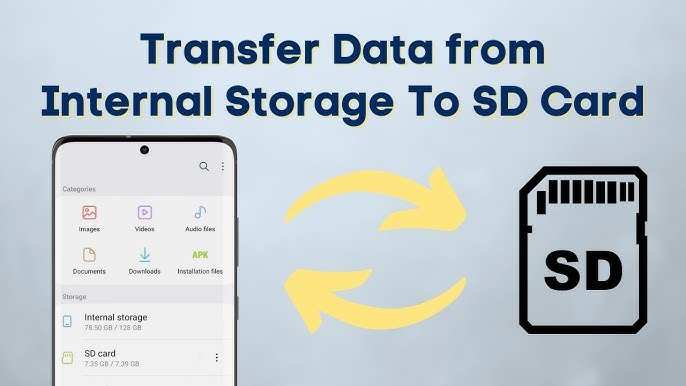
To make things save to SD card on Android, you simply need to change your storage settings and move files manually. **Setting your default storage to SD card ensures all new downloads and media are saved there automatically.** If you want apps to save data directly to the SD card, check your app permissions and storage options within the app settings. This quick adjustment helps free up internal storage and keeps your device organized. Learning how to make things save to SD card on Android makes managing your files easier and more efficient.

How to Make Things Save to SD Card on Android
When you use an Android device, you might notice that files and apps tend to save directly to your phone’s internal storage by default. This can quickly fill up, especially if you love downloading photos, videos, or large apps. Fortunately, you don’t have to keep everything stored inside your device’s memory. Using an SD card can help you free up space and keep your data organized. In this guide, we’ll walk through step-by-step instructions on how to make things save to your SD card on Android. We’ll also share helpful tips and tricks to manage your storage smoothly.
Understanding Your Android Device’s Storage Options
Before jumping into how to make things save to your SD card, it’s important to know how storage works on Android. Your device typically has two types of storage:
- Internal Storage: Built-in memory that contains the operating system, pre-installed apps, and your personal data. This space is limited but fast.
- SD Card: External memory card that you can add to increase storage capacity. It’s usually used for media files like photos, videos, and music.
Most Android phones now allow you to set your SD card as an extension of your internal storage, which can help automatically save files there instead of taking up space on your device’s main memory.
Checking Your Device’s Compatibility with SD Cards
Not all Android devices support SD cards. To find out if your device does:
- Look at the sides of your phone for a slot labeled “MicroSD” or “Memory card.”
- Check your device’s user manual or specifications online.
- Go to Settings > Storage to see if the option to add or manage SD cards appears.
If your device supports SD cards, you can proceed with configuring your storage settings to save data directly there.
Preparing Your SD Card for Use
Before making things save to your SD card, you need to prepare it:
- Insert the SD card into your device’s slot.
- Go to Settings > Storage.
- Tap on the SD card option.
- Format the SD card if prompted. (Be sure to back up any existing data, as formatting erases all content.)
Once formatted, your SD card is ready to be set up as a primary storage option.
Changing Default Save Locations for Photos and Media
Many apps let you choose whether to save files on internal storage or SD card. Here’s how to do it for some common apps:
Camera App
- Open your camera app.
- Go to Settings (usually represented by a gear icon).
- Find the option labeled “Save location,” “Storage location,” or similar.
- Select “SD card” or “External storage.”
This change ensures that new photos and videos taken with your camera are saved directly to the SD card.
Messaging Apps and Other Media Apps
Some apps default to internal storage but allow changing this setting:
- Open the app’s Settings menu.
- Look for options related to save location, downloads, or storage.
- Select the SD card if available.
Keep in mind that not all apps have this option. For those, you may need to move files manually after saving.
Moving Files and Apps to SD Card Manually
If you already have files saved on internal storage that you want to transfer to your SD card:
Moving Media Files
- Open your device’s file manager app (or download one like “Files by Google”).
- Navigate to the files you want to move, such as photos, videos, or music.
- Select the files or folders.
- Tap the “Move” or “Copy” option.
- Choose your SD card as the destination folder.
- Paste or move the files there.
Moving Apps to SD Card
Most Android devices allow moving certain apps to the SD card:
- Go to Settings > Apps & Notifications.
- Select the app you wish to move.
- Tap on “Storage & cache.”
- If the option appears, tap “Change” next to Storage and select “SD card.”
- The app will begin transferring to the SD card.
Note that some apps are “unmovable” because they require internal storage to run properly.
Using Your SD Card as Internal Storage
Some Android devices support “Adoptable Storage,” which allows you to format your SD card as part of internal storage. This makes the SD card act like an extension of your phone’s internal memory.
How to Enable Adoptable Storage
- Insert your SD card and go to Settings > Storage.
- Select your SD card.
- Tap on the menu or options button (usually three dots).
- Choose “Format as internal” or “Use as internal storage.”
- Follow the prompts to format and set up the SD card.
Once the process completes, your device will automatically save apps, photos, and data to the SD card when possible.
Managing Storage and Troubleshooting Issues
Even after setting up your SD card, you might face some challenges:
- SD card not recognized: Remove and re-insert the card. Format it again if necessary.
- Slow performance: Use a class 10 or UHS speed SD card for better performance.
- Files not saving to SD card: Check app settings or move files manually.
- Apps not moving to SD: Some apps are designed to stay on internal storage only.
Regularly clean up your files and delete unwanted data to keep your storage organized.
Tips for Maintaining Your SD Card Storage
To ensure your SD card stays in good shape:
- Format the SD card regularly to avoid corruption.
- Use high-quality SD cards to prevent data loss.
- Back up important files to a computer or cloud service.
- Avoid removing the SD card while files are being transferred.
- Keep the SD card away from physical damage or water.
By following these steps and tips, you can efficiently integrate your SD card into your device’s storage system, making it easier to save and manage your files on Android.
—
This comprehensive approach ensures you understand exactly how to configure your Android device to save files directly to your SD card, optimize its use, and handle common issues. Making the switch can free up internal space and keep your device running smoothly, whether you’re saving photos, videos, or apps.
Frequently Asked Questions
What steps can I take to set my Android device to save photos directly to the SD card?
To have your photos saved directly to your SD card, open the camera app on your Android device. Navigate to the settings menu within the camera app, usually represented by a gear icon. Look for an option labeled “Save location” or similar. Select the SD card as the preferred location for saving photos. This ensures all new pictures are stored on your SD card rather than the internal storage.
How do I move existing files from internal storage to my SD card on Android?
First, open your device’s file manager app. Locate the files or folders you want to transfer, such as photos, videos, or documents. Tap and hold on a file to select it, then choose the “Move” or “Copy” option. Navigate to the SD card directory and confirm the move. If your device doesn’t have a default file manager, you may need to download one from the app store. Moving your files helps free up internal storage space and organizes your data more efficiently.
Can I change app data storage to automatically save on the SD card?
Some apps allow you to change their default storage location to the SD card through their settings menu. Open the app, then access its storage or data management settings. If available, select the SD card as the preferred location for saving data. Note that not all apps support changing storage locations; in such cases, the app will continue to save data to internal storage unless moved manually or reconfigured through device settings.
Is it possible to set default storage to the SD card when installing new apps?
Typically, Android devices install new apps to internal storage by default, and this setting isn’t easily changed system-wide. However, some devices running customized versions of Android or with manufacturer-specific options may offer default storage choices during setup or within device settings. Alternatively, you can set individual apps to store their data on the SD card if the app provides such an option within its settings. For broader control, using third-party apps with root access might be necessary, but this carries risks and is not recommended for all users.
Final Thoughts
To make things save to sd card on android, start by inserting the SD card and formatting it in the device settings. Next, set the SD card as the default storage for apps, photos, and videos within the storage options. Some apps also allow you to choose storage location directly in their settings. By following these steps, you ensure your data saves directly to the SD card, saving internal storage space.

Similar Posts