Optimizing Your Experience With Android Battery Saving Mode
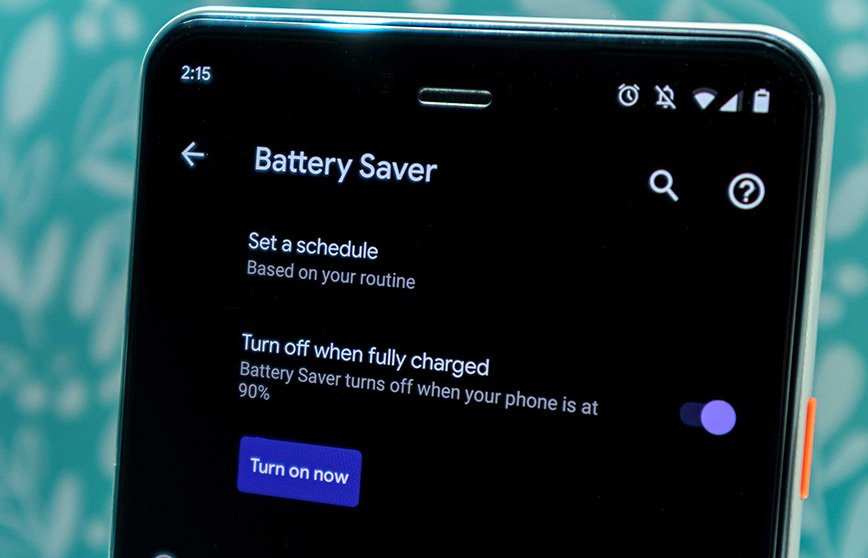
When your phone’s battery runs low, activating the android battery saving mode can extend its life significantly. **This mode reduces background activity and optimizes performance.** It’s simple to turn on and instantly conserves power.
Android battery saving mode is a handy feature that helps you stay connected longer without constantly searching for a charger. Just a tap, and your phone manages power intelligently, so you can focus on what matters most.

Understanding Android Battery Saving Mode and How It Can Help You
Smartphones have become essential in our daily lives, but one common issue users face is the rapid drain of battery life. Luckily, Android devices offer a helpful feature called Battery Saving Mode that extends your phone’s battery life when you need it most. Let’s explore what this mode does, how it works, and how you can get the most out of it.
What Is Android Battery Saving Mode?
Android Battery Saving Mode is a built-in feature designed to conserve your phone’s power. When you turn it on, the device automatically reduces background activity, limits certain features, and adjusts settings to make your battery last longer. This function is especially useful when you are on the go and need your phone to last through the day without charging.
Some key points about Battery Saving Mode include:
- It temporarily limits background data and app activity.
- It reduces screen brightness and prevents the screen from turning off too quickly.
- It disables or simplifies animations and visual effects.
- It restricts location services and other high-power features.
This mode offers a quick way to prolong your device’s battery life without completely shutting down your phone or major apps.
How Does Android Battery Saving Mode Work?
Battery Saving Mode functions by making intelligent adjustments to how your device operates. Here’s a closer look at what happens when you enable it:
Reducing Background Activity
Background processes often consume a significant amount of battery. When you activate Battery Saving Mode, apps that run in the background slow down or pause altogether. For example, social media apps won’t refresh feeds or send notifications as frequently, saving power.
Lowering Screen Brightness
Your screen uses the most battery power out of all components. The mode automatically dims your display and adjusts the screen timeout setting, making the device more power-efficient.
Limiting Connectivity
Some functions, like Wi-Fi, Bluetooth, and mobile data, are turned off or restricted to prevent unnecessary power drain. When you don’t need constant connection, this helps conserve energy.
Disabling Visual Effects and Animations
Visual effects such as transitions and animations require processing power. When Battery Saving Mode is active, it disables or simplifies these effects for smoother, energy-efficient operation.
Managing Location Services
Using GPS or other location services can drain the battery quickly. During power-saving periods, the mode limits location tracking to only essential activities or reduces the frequency of updates.
When to Use Android Battery Saving Mode
Knowing when to activate Battery Saving Mode helps you get the most benefit from it. Consider turning it on in these situations:
- Your battery level drops below a certain percentage, such as 20% or 10%.
- You’re traveling or in places where charging is not available.
- You need your phone to last longer during busy days or long trips.
- You notice your device is heating up and consuming power faster than usual.
- You’re waiting for a charging opportunity and want to conserve power in the meantime.
Using the mode proactively can ensure your device maintains essential functions longer without unexpected shutdowns.
How to Enable Android Battery Saving Mode
Turning on Battery Saving Mode on most Android devices is straightforward. Here’s a simple step-by-step guide:
From Quick Settings
- Pull down the notification shade by swiping from the top of the screen.
- Look for the “Battery Saver” icon (it may also be called “Battery Saving Mode”).
- Tap the icon to activate the mode immediately.
Through Settings Menu
- Open the Settings app on your device.
- Scroll down and select “Battery” or “Battery & Performance.”
- Tap on “Battery Saver” or “Power saving mode.”
- Toggle the switch to turn it on.
Customizing Battery Saving Settings
Many Android devices allow you to customize when and how Battery Saving Mode activates:
- You can set it to turn on automatically when your battery drops below a certain percentage.
- Some devices offer the option to schedule the mode at specific times, like during nighttime or work hours.
- You can decide which features to disable or limit while in this mode, providing a tailored experience.
Maximizing Battery Life with Additional Tips
While Battery Saving Mode is effective, combining it with other habits can significantly improve your device’s battery performance:
Adjusting Screen Brightness Manually
Keep your screen brightness low or set it to adjust automatically based on ambient light to save power.
Limiting Unnecessary App Usage
Close or uninstall apps that you rarely use. Background apps often run without your knowledge, consuming power.
Turning Off Unused Features
Disable Bluetooth, Wi-Fi, NFC, and GPS when you don’t need them.
Managing Notifications
Limit notifications from apps that aren’t essential, reducing wake-locks and unnecessary activity.
Using Dark Mode
Many apps and Android themes support dark mode, which uses less energy, especially on devices with OLED screens.
Understanding the Impact of Battery Saving Mode
While this mode helps extend your battery life, it does come with certain trade-offs:
- Some apps won’t refresh or update as frequently in the background.
- Notifications may be delayed or not received immediately.
- Features like high-quality streaming or location services may be limited.
Being aware of these limitations helps you decide when to enable or disable Battery Saving Mode for the best experience.
Comparing Battery Saving Mode with Other Power Options
Android devices often have several options to preserve power beyond Battery Saving Mode:
| Feature | Description | Best Used When |
|---|---|---|
| Battery Saver | Limits background activity, reduces brightness, disables animations. | Low battery, traveling, emergencies. |
| Airplane Mode | Disables all wireless connections including calls and internet. | Pure power saving, airplane travel. |
| Adaptive Brightness | Automatically adjusts screen brightness based on ambient light. | Everyday use to conserve battery and improve visibility. |
| Dark Mode | Uses dark colors to reduce power used by the display. | Extended use, especially on OLED screens. |
Knowing the differences enables you to choose the right option based on your needs.
Using Android Battery Saving Mode offers a practical way to make your device last longer, especially when you’re away from charging sources. It’s easy to activate and customize, so you can adapt it to your daily routine and urgent situations. Combining this feature with good battery habits helps you get the most out of your phone and keeps it running smoothly for longer periods. Being mindful of your device’s power consumption ensures you stay connected when it matters most, without constantly worrying about your battery dying.
Frequently Asked Questions
How can I manually turn off battery saver mode on my Android device?
To manually disable battery saver mode, swipe down from the top of your screen to access the notification panel. Tap the battery icon or the notification that indicates battery saver is active. Alternatively, go to Settings > Battery or Battery & Power, then select the option to turn off battery saver mode. Doing this allows your device to resume normal functions without restrictions.
Will using battery saver mode affect app notifications and background activities?
Yes, activating battery saver mode reduces background activity for many apps, which can delay or restrict notifications. Some apps may not update content until you open them. This conservation feature prioritizes essential functions, so non-urgent notifications and background processes might be temporarily paused to extend battery life.
Are there specific settings I can customize within battery saver mode?
Many Android devices let you customize what battery saver mode alters. You can usually access these options in Settings > Battery > Battery Saver. Here, you might choose to allow certain apps to run in the background, enable or disable visual effects, or set schedules for automatic activation. Adjusting these settings helps you balance battery savings with functionality.
Does enabling battery saver mode improve battery health over time?
Using battery saver mode doesn’t directly impact the long-term health of your battery. Its primary purpose is to conserve power in the short term by limiting device activity. To maintain overall battery health, follow best practices like avoiding complete discharges and using original chargers.
Can I schedule battery saver mode to turn on automatically at certain times?
Yes, many Android devices offer options to set scheduled activation for battery saver mode. You can typically find this feature in Settings > Battery > Battery Saver, where you can specify times when the mode should turn on or off automatically, such as during nighttime hours or when your battery level drops below a certain percentage.
Final Thoughts
Android battery saving mode helps extend your device’s battery life by limiting background activity and reducing power consumption. Enabling this feature is simple and effective, especially during long outings or when your battery is low. It optimizes your device’s performance without sacrificing essential functions. By using this mode wisely, you can ensure your phone stays powered longer throughout the day.

Similar Posts