How To Know If Android Tv Is Arm Or X86 For Better?
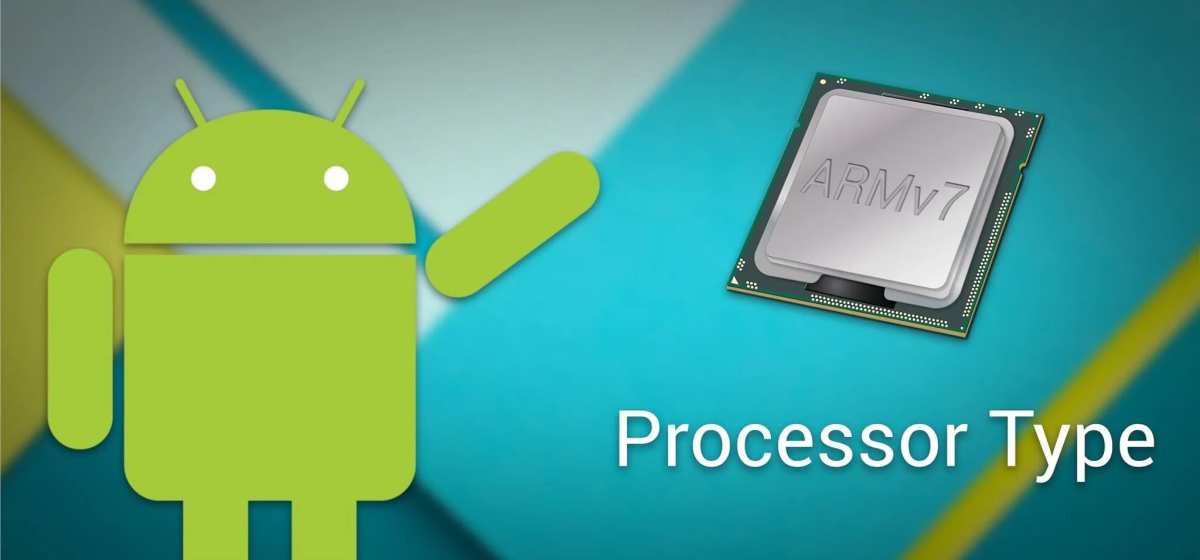

How to Know If Android TV Is ARM or x86
Understanding whether your Android TV runs on an ARM or x86 processor is essential, especially if you’re planning to install custom software, update firmware, or troubleshoot performance issues. In this section, we’ll walk through simple methods to identify the processor architecture of your Android TV device that are easy to follow, even for beginners.Why Does It Matter Whether Your Android TV Is ARM or x86?
Before diving into how to find out, it’s helpful to understand why this information is important. ARM and x86 are different types of processor architectures, and they influence:- Software compatibility: Some apps or updates are only available for certain architectures.
- Performance expectations: x86 processors often offer higher performance but can consume more power.
- Customization options: Knowing your architecture helps when installing custom ROMs or firmware modifications.
How to Check Processor Architecture Directly on Your Android TV
The most straightforward way to find out your Android TV’s architecture involves checking the device information directly via the system settings.Using the Settings Menu
Follow these simple steps:- Turn on your Android TV and go to the Home screen.
- Select the gear icon to open the “Settings” menu.
- Scroll down to find the option labeled “Device Preferences” or “About” and select it.
- Look for “Hardware Info” or “Status.” Some devices may show “Processor” or “CPU” details here.
- If not directly visible, select “Build Number” or “Build Version” multiple times until developer options appear. In developer options, look for “ABI” or “Processor Architecture.”
Using Third-Party Apps to Detect Processor Architecture
If the system settings don’t give you a clear answer, third-party apps can. Apps like CPU-Z, Droid Hardware Info, or AIDA64 can provide detailed hardware info, including CPU architecture.- Download and install one of these apps from the Google Play Store.
- Open the app and navigate to the “CPU” or “System” section.
- Look for “ABI” (Application Binary Interface) – this indicates whether it is ARM or x86.
- Compare the result with common architecture identifiers:
- “armeabi-v7a” or “arm64-v8a” indicates an ARM processor.
- “x86” or “x86_64” indicates an x86 processor.
Identifying Your Processor Architecture via Command Line
Most users prefer simple methods, but if you enjoy technical steps, using Android Debug Bridge (ADB) can give you precise info.Setting Up ADB on Your PC
First, you’ll need to prepare your PC:- Download and install the Android SDK Platform-Tools from the official Android developer website.
- Enable “Developer options” on your Android TV: go to Settings > About, then tap “Build Number” seven times.
- In Developer options, enable “USB debugging.”
- Connect your TV and PC using a USB cable or via a shared network.
Using ADB to Check Processor Architecture
Follow these steps:- Open Command Prompt (Windows) or Terminal (Mac/Linux) on your PC.
- Type the command:
adb devicesto ensure your device is recognized. - Once recognized, enter:
adb shell. - Type:
getprop ro.product.cpu_abi. - The output will be either “armeabi-v7a,” “arm64-v8a,” or “x86_64,” indicating your processor type.
Checking Processor Architecture Through Hardware Identification Labels
Some Android TV devices have labels on the packaging or device itself that specify the processor type. These are common in manufacturing info, especially for boxed units or accessories.- Look for the specifications printed on the box or manual.
- Check the device’s back panel or battery compartment, if accessible, for hardware details.
- Research the device model online, using the serial number or model name, to find official hardware specifications.
Understanding Common Processor Architectures in Android TV Devices
Different Android TV models use various processor architectures, mainly ARM or x86, based on their target performance and cost.ARM Architecture in Android TV
Most Android TVs, especially budget and mid-range models, use ARM processors because they are energy-efficient and produce less heat.- Examples include ARM Cortex-A53, Cortex-A55, Cortex-A76.
- Popular in models from brands like Xiaomi, TCL, and many Chinese manufacturers.
- Supports a wide range of apps and is compatible with most Android software.
x86 Architecture in Android TV
x86 processors are more common in higher-end devices or PCs converted into Android TVs.- Examples include Intel Atom, Intel Core series.
- Offer better processing power for multitasking and gaming.
- May run some Windows applications, but compatibility must be checked carefully.
Differences Between ARM and x86: A Comparative Overview
| Feature | ARM | x86 | | ——– | —– | —- | | Power efficiency | High | Moderate to low | | Performance | Suitable for mobile and lightweight tasks | Better for intensive applications | | Compatibility | Wide support in Android apps | Limited Android app support, mostly in emulation | | Cost | Generally cheaper | Usually more expensive | This table helps visualize the main differences when choosing or upgrading an Android TV.Common Challenges and Troubleshooting Tips
Sometimes, identifying the architecture isn’t straightforward. Here are common issues and how to resolve them:- Device not showing architecture info: Use third-party apps or check the manufacturer’s website.
- Apps not compatible: Confirm your device’s architecture before installing. Use apps built for your platform.
- Performance issues: x86 devices tend to perform better but may require more power and cooling.
Summary: Best Practices to Determine Your Android TV’s Processor Architecture
– Use the system settings first for quick info. – Install hardware info apps if details are unclear. – Set up ADB for precise command-line checks if you’re comfortable with technical steps. – Check packaging and online specifications for hardware labels. – Be aware of common architecture differences when planning upgrades or app installations. Knowing whether your Android TV runs on an ARM or x86 processor helps you manage updates, installs, and troubleshooting more effectively. By following these straightforward steps, even newcomers can confidently identify their device’s processor architecture and make informed decisions moving forward.Frequently Asked Questions
What tools can I use to identify the processor architecture of my Android TV?
You can use apps like CPU-Z or Droid Hardware Info available on the Google Play Store. These apps display detailed information about your device’s hardware specifications, including whether it runs on an ARM or x86 processor.
How can I check the processor architecture directly from the Android TV settings?
Navigate to the device’s Settings menu, then go to About, and look for Hardware or Processor information. If this section does not specify architecture details, you can connect an external keyboard and use ADB commands to retrieve system information directly.
Is it possible to determine the architecture through the device’s ADB interface?
Yes. Connect your Android TV to a computer with ADB installed. Use the command `adb shell getprop ro.product.cpu.abi`. This command outputs whether your device’s CPU is ARM or x86, providing a definitive answer.
Can the manufacturer’s specifications help in identifying if my Android TV has an ARM or x86 processor?
Typically, manufacturer specifications listed on the product page or in the user manual mention the processor architecture. Check these sources to confirm whether your device runs on an ARM or x86 chip before attempting more detailed tests.
Are there any visual cues or physical differences that indicate the architecture of an Android TV?
While physical differences are rare, some models may have labels or stickers indicating the processor type. However, relying on software tools or system information is generally more accurate than visual inspection, as internal components look similar externally.
Final Thoughts
To know if your Android TV is ARM or x86, check the device specifications in the settings menu or use a hardware info app. You can also connect your device to a computer and run command-line tools to identify the architecture. Knowing the architecture helps you find compatible apps and updates, ensuring optimal performance. Simply put, understanding ‘how to know if android tv is arm or x86’ simplifies troubleshooting and app choices. Focus on these methods to determine the architecture quickly and accurately.
Similar Posts