How Long Can You Keep An Ipad On For Optimal Use


How long can you keep an iPad on?
Understanding iPad Power Consumption
The amount of time you can keep an iPad turned on depends largely on how you use it. Different activities drain battery life at different rates. Streaming videos, playing games, or using intensive apps use more power than simple tasks like reading or browsing. Battery capacity plays a key role in this. Most iPads have batteries ranging from 24.5 Wh to 32.4 Wh. Larger capacities can keep your device running longer, but usage habits still matter most. Keeping your iPad on constantly isn’t recommended, but knowing how long it can last helps plan your day.Average Usage Time of an iPad
On average, an iPad can stay on for about 8 to 12 hours on a full charge. Light activities like browsing or watching videos tend to consume less battery. Heavy usage, like gaming or editing videos, can reduce that time to about 4 to 6 hours. These figures are estimates based on typical usage. Your actual time can vary depending on screen brightness, background app activity, and network connections. For example, Wi-Fi usage tends to drain the battery faster than airplane mode with no internet connection.How to Maximize iPad Uptime
There are simple steps to extend the amount of time your iPad stays on. Adjusting screen brightness to the lowest comfortable level can save significant power. Enabling Low Power Mode turns off background app refreshes and reduces visual effects. Closing apps you’re not using helps prevent unnecessary battery drain. Disabling Wi-Fi or Bluetooth when not needed also conserves energy. Updating to the latest iOS version can improve battery efficiency through software optimizations.Impact of Screen Brightness
The display consumes a large share of your iPad’s battery. Keeping the brightness low minimizes power use. You can enable auto-brightness so your device adjusts the brightness based on ambient light. This helps save power without sacrificing screen visibility.Role of Background App Refresh
Apps running in the background can drain your battery even when you’re not actively using them. Turning off Background App Refresh limits app activity when your iPad is idle. You can find this option in Settings under General > Background App Refresh.Battery Health and Its Effect on Usage
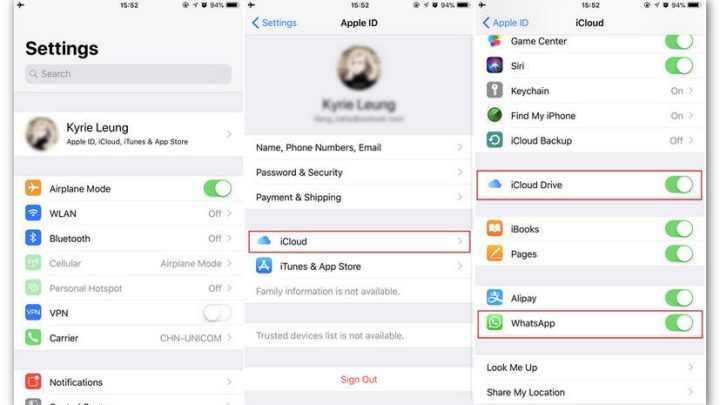
A healthy battery retains its capacity longer, meaning your iPad can stay on for more hours. Over time, batteries degrade, and the maximum capacity decreases. This results in shorter on-time even with a full charge. To check your battery health, go to Settings > Battery > Battery Health. If your battery’s maximum capacity falls below 80%, you might notice reduced usage time. Replacing the battery can bring your iPad’s performance back to original levels.Power Management Features in iPadOS
Apple includes power-saving features in iPadOS to prolong usage. Low Power Mode disables background activities, reduces visual effects, and limits system animations. This can extend your iPad’s uptime by a few hours. Scheduled sleep mode also helps conserve energy. When the iPad is inactive for a set period, it enters sleep mode automatically, reducing battery drain. Using automatic sleep features ensures your device isn’t consuming power when not in use.Keeping Your iPad On Without Overheating
Running your iPad continuously for long periods can generate heat. Excessive heat can damage the battery and reduce overall lifespan. Keep your device in a cool, well-ventilated area during extended use. Avoid using your iPad in direct sunlight or hot environments. If you notice your device getting hot, pause usage and let it cool down. Proper heat management helps maintain optimal battery performance over time.Is Leaving an iPad On Harmful?
Leaving your iPad on constantly isn’t necessarily harmful if you monitor its temperature and battery health. However, unnecessary continuous use can lead to faster battery wear. Apple recommends unplugging the device once charged to prevent overcharging. Regularly updating software and performing battery health checks prolong your iPad’s lifespan. If you plan to leave your iPad on for long durations, consider enabling power-saving features.Using an iPad for Continuous Tasks
Some users utilize their iPads for continuous tasks like digital signage, security monitoring, or remote work. In these cases, keeping the device on is essential. Using a power source is highly recommended in these scenarios to prevent battery drain. For long-term operation, consider connecting your iPad to a stable power supply. This ensures uninterrupted performance and avoids potential overheating or battery degradation from constant charging cycles.Charging Tips for Long Device Uptime
Proper charging habits can improve overall battery life. Avoid letting the battery drain completely before recharging. Instead, keep the charge between 20 and 80% for best results. Using original chargers and cables prevents damage from incompatible or low-quality accessories. If you plan to keep the iPad on for extended periods, maintain a consistent charging routine to support long-term health.Related Topics to Consider
- Best accessories for prolonged iPad use
- How to troubleshoot battery issues on an iPad
- Comparing battery life across different iPad models
- Impact of iPad screen size and display technology on battery drain
- Tips for using your iPad as a desktop replacement
Conclusion
Understanding how long you can keep an iPad on involves many factors, from battery capacity and software features to usage habits and device health. By managing settings like brightness, background activity, and power modes, you can maximize your iPad’s runtime. Remember that maintaining good battery health and following proper charging practices also help your iPad stay functional longer. Whether for daily use or specialized tasks, knowing these details allows you to plan better and avoid unexpected shutdowns.Frequently Asked Questions
How does screen brightness affect the amount of time an iPad can stay on?
Setting your iPad to higher brightness levels can drain the battery faster, reducing overall usage time. Lowering the brightness helps conserve power, allowing your device to stay on longer. Adjusting the brightness based on your environment can optimize battery life without sacrificing usability.
Does using Wi-Fi versus cellular data impact iPad battery duration?
Using Wi-Fi typically consumes less power than cellular data because it requires less energy to maintain the connection. When your iPad relies on Wi-Fi, it can stay powered on longer. Switching to cellular data may accelerate battery drain, especially when the signal is weak, leading to reduced usage time.
What role do background processes play in battery consumption during prolonged use?
Apps and processes running in the background can consume significant power, even when you’re not actively using the iPad. Closing unused apps and disabling background activity can extend your device’s on-time. Managing background processes helps ensure the battery lasts longer during extended sessions.
Can enabling power-saving modes significantly extend the time an iPad remains on?
Turning on the power-saving mode reduces power consumption by limiting background activity, reducing performance, and disabling certain features. This mode can considerably extend how long your iPad stays operational, especially when you’re running low on battery and need to prolong usage.
How does the age or condition of the battery influence the duration an iPad can stay powered on?
Over time, batteries lose their capacity to hold a charge, which shortens the amount of time your iPad can remain on. If your device’s battery health declines, you might notice a quicker drain, necessitating more frequent charges to maintain the same usage duration.
Final Thoughts
Vous vous demandez combien de temps vous pouvez garder un iPad allumé. La durée dépend de l’utilisation et de la batterie. En général, un iPad peut fonctionner plusieurs heures sans interruption. La batterie se décharge plus rapidement lors de l’utilisation intensive ou de la diffusion de vidéos. Il est conseillé de mettre l’iPad en mode veille pour prolonger sa durée. En résumé, comment long can you keep an iPad on? La réponse varie, mais la plupart des modèles tiennent entre 10 et 12 heures.
Similar Posts