Best Practices For Charging Android Phone Batteries To

Best Practices for Charging Android Phone Batteries to Maximize Lifespan
Taking good care of your Android phone’s battery can make it last longer and work better over time. Follow these simple yet effective tips to keep your battery healthy and extend its lifespan. Proper charging habits not only help your device stay charged longer but also reduce the need for costly battery replacements in the future. Let’s explore the best ways to charge your Android phone and avoid common mistakes that can harm your battery.Understanding How Your Android Phone Battery Works
Before diving into tips, it’s helpful to understand how your phone’s battery operates. Most Android phones use lithium-ion or lithium-polymer batteries. These batteries store energy chemically and release it through electrical current. They have a limited number of charge cycles — the process of charging and discharging. Every cycle slightly reduces the battery’s capacity over time. Key facts about your battery:- Charge cycles: Repeatedly charging and discharging the battery reduces its capacity gradually.
- Voltage and temperature: High voltage and temperature can accelerate battery deterioration.
- Charge levels: Keeping your battery within certain charge levels can prolong its health.
Charge Your Phone Before It Completely Drains
One common mistake is letting the battery drain completely before charging. Lithium-ion batteries don’t like to be fully discharged frequently. Instead, aim to plug in your Android device when the battery drops to around 20-30%. This habit prevents deep discharges that strain the battery unnecessarily. Why this matters:- Deep discharges can damage the battery over time.
- Keeping the charge between 20-80% helps preserve capacity.
- Partial charging cycles are gentler on the battery’s chemistry.
Maintain Optimal Charging Levels
Staying within a healthy charge range is crucial. Experts recommend keeping your battery between 20% and 80%. Charging to 100% all the time can stress the battery, especially if maintained for long periods. Practical tips:- Charge your phone when it reaches around 20-30%.
- Unplug at about 80-90%, especially if you don’t need a full charge.
- Avoid leaving the phone plugged in at 100% for long hours.
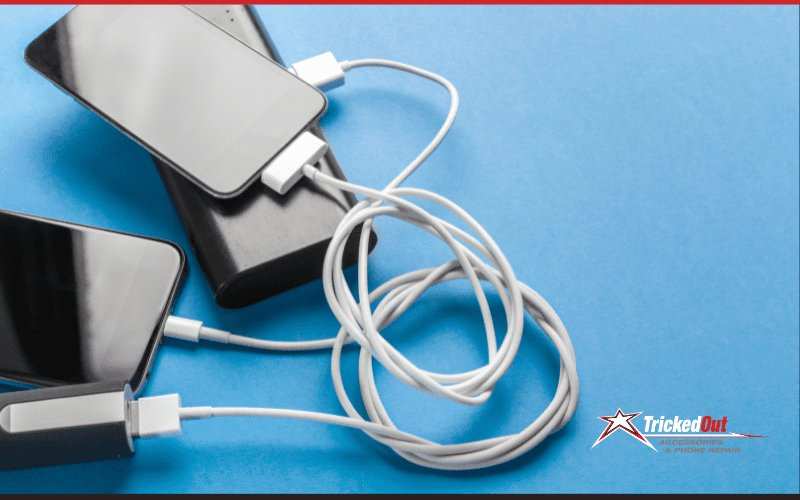
Use Quality Chargers and Cables
The quality of your charging accessories makes a big difference. Always use the charger and cable that came with your device or high-quality replacements from reputable brands. Why it matters:- Cheap chargers may deliver inconsistent power, causing overheating or damage.
- Official or certified chargers ensure the correct voltage and current flow.
- Using the right charger reduces the risk of short circuits or fire hazards.
Avoid Overcharging and Keep Temperatures in Check
Charging your phone while it’s very hot or very cold can harm the battery. Lithium-ion batteries operate best at moderate temperatures — generally between 20°C and 25°C (68°F to 77°F). Tips:- Remove your phone from cases that trap heat during charging.
- Don’t leave your phone in direct sunlight or cold environments.
- Don’t leave your phone plugged in after it reaches 100%.
Limit Fast Charging When Possible
Fast chargers are convenient, but frequent use might wear out your battery faster. Fast charging increases the heat generated during the process, which, over time, can cause degradation. Recommendations:- Use fast charging sparingly — when urgent power is needed.
- Opt for regular or slower charging methods for daily use.
- Give your phone time to cool down after fast charging sessions.
Enable Battery-Saving Modes and Adjust Settings
Many Android phones offer battery-saving features. Activate these modes when your battery is low or when you want to extend usage time. Advantages:- Reduces background activity that consumes power.
- Limits CPU performance and disables high-energy features.
- Helps maintain a steady charge level over longer periods.
Keep Software and Apps Updated
Outdated software can cause your device to work harder than necessary, draining the battery faster. Regular updates often include improvements in power management. Benefits:- Enhanced efficiency of battery usage.
- Fixes for bugs that may cause excessive power drain.
- Better compatibility with charging hardware.
Proper Storage When Not Using Your Phone
If you plan to store your device for a long period, avoid leaving it fully charged or completely drained. The optimal storage charge is around 50%, and the environment should be cool and dry. Steps for stored batteries:- Charge your phone to about 50% before long-term storage.
- Store it in a cool, moisture-free place.
- Recharge it to 50% every few months if stored for extended periods.
Regular Battery Maintenance Tips
To keep your battery healthy:- Perform partial discharges regularly, avoiding both full and very shallow cycles.
- Clean charging ports gently if they accumulate dust or debris.
- Be cautious with third-party apps that claim to improve battery life — some may do more harm than good.
Summary of Key Tips
| Best Practice | Why It Matters |
|---|---|
| Charge between 20% and 80% | Reduces stress and extends battery lifespan |
| Use quality chargers | Ensures proper voltage and current, prevents damage |
| Avoid extreme temperatures | Prevents chemical degradation of the battery |
| Limit fast charging | Prevents overheating and chemical wear |
| Keep software updated | Improves power efficiency and fixes bugs that drain battery |
| Store at 50% if not using long-term | Maintains battery capacity during periods of inactivity |
Frequently Asked Questions
How can I prevent overcharging my Android phone to extend battery life?
To avoid overcharging, unplug your phone once it reaches 100% and avoid leaving it plugged in for extended periods. Using a smart charging app or enabling features that limit charge capacity can also help manage the charging process and reduce stress on the battery, ultimately prolonging its lifespan.
What charging practices help maintain optimal battery health during everyday use?
Charge your Android phone when the battery drops to around 20-30%, and unplug it before it hits 100%. Avoid letting the battery drain completely, as deep discharges can damage the cells. Using the original charger and cable, and keeping the device in a cool, dry environment during charging, also support healthier battery performance over time.
Are there specific settings or features on my Android device that can improve battery longevity?
Enable battery saver and adaptive charging features available on your device. These tools can regulate charging speed and limit overcharging, reducing wear on battery cells. Additionally, reducing screen brightness and turning off unused features helps conserve energy and minimizes unnecessary charging cycles that could diminish battery health.
Final Thoughts
Adopt best practices for charging Android phone batteries to maximize lifespan by avoiding frequent full discharges and overcharging. Keep the battery level between 20% and 80% to reduce stress on the battery. Use original or high-quality chargers to prevent damage. Regularly update your device software to optimize battery performance. Following these tips helps extend your battery’s health and overall lifespan.
Similar Posts