

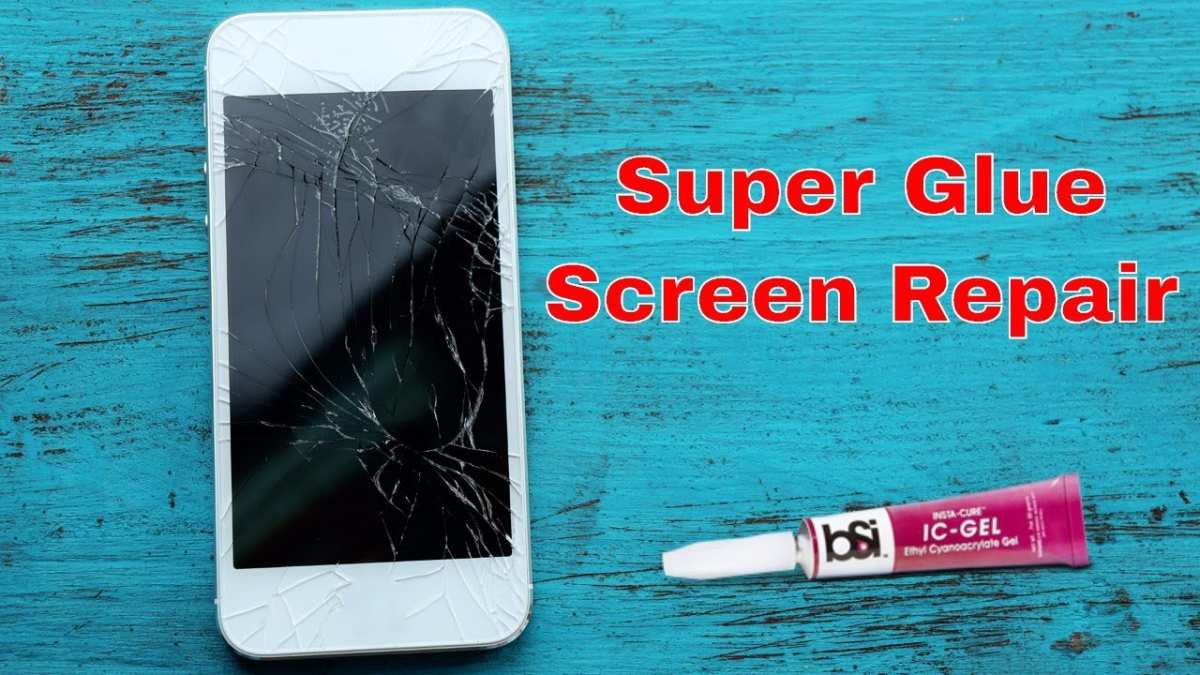
Yes, you can glue your iPhone screen, but it’s not always the best option. If the crack is small and the damage is minor, using a strong adhesive might hold the glass temporarily. However, **gluing your iPhone screen is often a temporary fix and may lead to further issues** down the line.
Many adhesives won’t match the original fit or durability, risking more damage or affecting touch sensitivity. Consider professional repair if you want a lasting solution. Even with careful application, glued screens might not perform as well as original replacements.

Can I Glue My iPhone Screen?
When your iPhone screen cracks or breaks, your first thought might be, “Can I fix this myself?” One common idea is to use glue to hold everything together. But is that a good idea? Can you safely glue your iPhone screen, or will it cause more problems? Let’s look into this question carefully. We’ll explore whether gluing your iPhone screen works, what types of glue you might consider, and what risks you face if you try to do it yourself. With all this knowledge, you can decide the best way to handle a damaged iPhone screen.
Why Do People Think About Gluing Their iPhone Screens?
Many people wonder if glue can be a quick fix for a cracked or loose screen because:
- The damage seems minor and appears fixable with simple glue.
- A broken screen can be dangerous or annoying to use because of sharp edges or poor visibility.
- Hiring a repair shop might seem expensive or inconvenient, so some consider DIY solutions like glue.
- In urgent situations, people want a temporary fix to use their phone until they can get it properly repaired.
However, before you reach for that bottle of super glue, it’s important to understand what glue can and can’t do for your iPhone screen.
What Types of Glue Are Sometimes Considered for Screen Repairs?
If you search online, you will find various adhesives that some repair enthusiasts suggest. These include:
Super Glue (Cyanoacrylate)
Super glue is a very strong adhesive that bonds quickly. It might seem like a good option because it dries fast and holds things tight. But it has big downsides:
- Super glue is very rigid when dry, which can stress the delicate screen components.
- It can cause cracks or further damage if it seeps inside the device.
- Cleaning off super glue later can be difficult without damaging the screen or housing.
Epoxy Adhesives
Epoxy glues are known for their strength and durability. They’re often used for structural repairs, but not ideal for iPhone screens because:
- They require mixing and longer drying times.
- They tend to be inflexible, which isn’t suitable for the slight bends and flexing of devices.
- Applying epoxy precisely on a small screen is tricky and can cause unintended damage.
Specialized Smartphone Glues or Adhesives
Some companies sell glue or adhesives specifically designed for smartphone repair. These are often:
- UV-curing adhesives that harden when exposed to UV light.
- Designed to be flexible enough for screens and to bond glass and plastic parts.
While these might sound promising, they usually require proper application techniques and tools, and even then, they might not be a permanent or safe fix.
The Risks of Gluing Your iPhone Screen
Attempting to glue your iPhone screen can seem like an easy fix, but it carries many risks:
Damage to the Screen and Internal Components
Gluing can cause uneven surfaces, mess, or seepage into internal parts. This can damage the LCD, touch sensors, or even the battery. Once glue seeps inside, it’s often very hard or impossible to repair without replacing parts.
Loss of Screen Functionality
Even if the glue holds the cracked parts together temporarily, it can interfere with the phone’s touch sensitivity and display clarity. This means your phone might not respond to touches properly or display images correctly.
Void Warranty and Future Repairs
Using glue or DIY fixes often nullifies your warranty with Apple or third-party repair centers. Plus, a glued screen may be rejected during professional repairs, making it harder and more expensive to fix later.
Safety Concerns
Gluing cracked glass involves handling sharp edges and potentially toxic adhesives. Misapplication can result in burns or skin irritation, especially if fumes are inhaled or adhesives contact the skin.
When Is Gluing a Good Idea?
In most cases, gluing isn’t the best solution. But there are a few situations where it might make sense temporarily:
- You need your phone for an emergency and cannot immediately replace or repair the screen.
- You want a very temporary fix to hold the glass together until you get professional repair.
- You’re experienced with delicate repairs and understand the risks involved.
Even then, it’s crucial to remember that glue is only a short-term solution, not a permanent fix.
Proper Alternatives for Fixing a Broken iPhone Screen
Instead of attempting to glue your iPhone screen, consider these safer and more effective options:
Visit a Certified Repair Technician
Getting your iPhone repaired by Apple or a trusted third-party technician guarantees:
- Proper handling of delicate parts
- Use of genuine replacement screens and components
- Restoration of original functionality and appearance
DIY Replacement Kits
If you are comfortable with small tools and patience, you can buy iPhone screen replacement kits. These kits include:
- Replacement screens
- Tools like plastic prying tools, tweezers, and screwdrivers
- Step-by-step instructions
However, be aware that repairing an iPhone screen yourself can be complex and may void your warranty.
Temporary Fixes with Screen Protectors
For minor cracks, a high-quality screen protector can:
- Prevent glass shards from falling out or causing injuries
- Make the phone easier to hold and use temporarily
- Protect the screen from worsening damage until a professional repair is performed
Remember, these are only protective measures, not fixes.
While it might seem tempting to glue your iPhone screen as a quick fix, it’s rarely a safe or lasting solution. Gluing can cause more damage, affect your phone’s performance, and void any warranties you have. The best approach is to seek professional repair or use proper DIY replacement kits if you’re comfortable doing so. Protect yourself from further issues and ensure your device functions perfectly by choosing reliable repair options. Remember, taking care of your iPhone the right way saves time, money, and frustration in the long run.
Frequently Asked Questions
Is gluing an iPhone screen a reliable option for repairs?
Gluing an iPhone screen can serve as a temporary fix, especially if the damage is minor. However, it doesn’t provide a durable or long-term solution. Over time, the adhesive may weaken, causing the screen to come loose or malfunction. For a reliable and lasting repair, it’s best to seek professional replacement or use specialized adhesives designed specifically for screens.
What types of glue are safe to use on an iPhone screen?
Only adhesives formulated for electronics and delicate surfaces should be used if you decide to glue your iPhone screen. Typically, UV-curing adhesives or slim, flexible adhesive tapes are recommended. Standard super glues or strong industrial adhesives can damage the screen or interfere with touch sensitivity. Always check product specifications and consult repair guides before applying any glue.
Can glue repair a cracked iPhone screen effectively?
While some glue products can temporarily hold a cracked screen together and improve appearance, they do not restore full functionality or prevent further damage. Cracks often compromise touch accuracy and can allow dust or moisture inside. For safety and optimal performance, replacing the damaged display remains the best option.
What are the risks of gluing an iPhone screen instead of replacing it?
Gluing a screen carries risks such as impaired touch response, reduced display clarity, or further damage if the adhesive isn’t applied properly. It can also make future repairs more difficult and may void your device’s warranty. Professional replacement ensures the repair is secure, safe, and maintains the device’s integrity.
How long does a glued iPhone screen typically hold up?
The longevity of a glued iPhone screen varies depending on the adhesive used and the extent of the damage. Generally, glued screens may hold for a few weeks to a few months under light usage. For long-term stability, replacing the screen through a professional service remains the most dependable option.
Final Thoughts
In conclusion, can I glue my iPhone screen? While some might consider gluing as a quick fix, it’s generally not recommended for reliable and safe repair. Gluing may hold the screen temporarily, but it can cause further damage over time or affect touch sensitivity. For a long-lasting solution, professional repair or screen replacement is best. Taking action now ensures your device functions perfectly and remains safe to use.
