What Happens When An Ipad Is No Longer Supported A Complete?
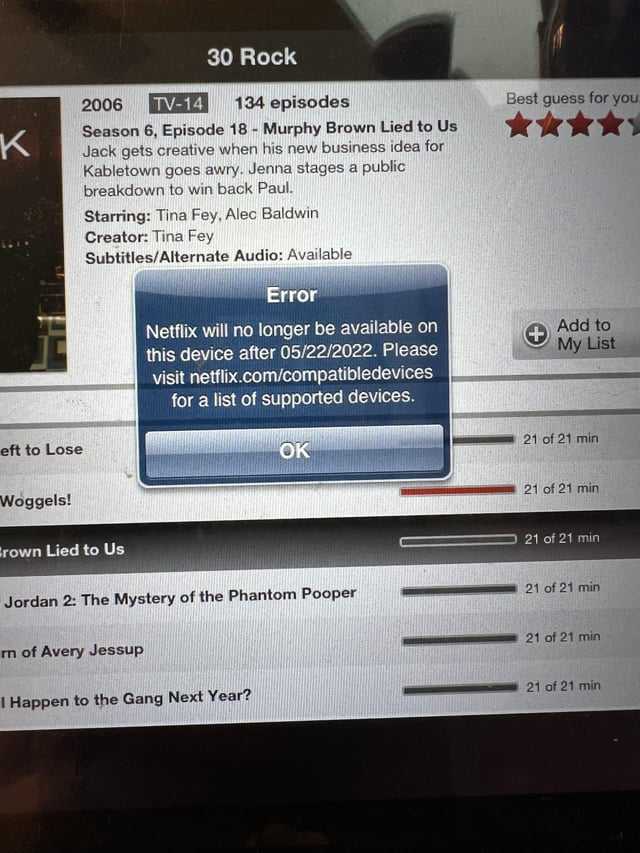

What happens when an iPad is no longer supported?
Understanding what “support” means for an iPad
When Apple stops supporting an iPad, it means the device will no longer receive software updates from Apple. These updates include security patches, bug fixes, and new features that keep your device running smoothly. Without ongoing support, your iPad may become more vulnerable to threats and less functional over time.Impact on iOS and security updates
iPads rely on iOS updates to stay secure and efficient. When support ends, the device misses out on essential security patches. This can make your iPad more susceptible to malware, hacking, and other cyber threats. Over time, outdated software can also cause compatibility issues with new apps and services.Compatibility with new apps and features
As Apple releases new apps and updates existing ones, your iPad must run the latest iOS version to stay compatible. When support ends, you might find that certain apps no longer work or can’t be downloaded at all. Additionally, new features introduced in later iOS versions won’t be available to your older device, limiting functionality.Limitations on app downloads and updates
Once an iPad is no longer supported, you might face difficulties updating existing apps or installing new ones. Many app developers require the latest iOS version for their apps to run properly. This can eventually lead to a situation where your iPad can’t access critical apps or the latest updates.Security risks of outdated software
An unsupported iPad puts your personal data at risk because it won’t receive security patches. Hackers target outdated systems with exploits that could compromise your privacy. Ignoring these risks increases the chance of data breaches, identity theft, or loss of personal information.Performance issues and hardware limitations
Over time, unsupported iPads may experience slower performance or glitches. As software becomes outdated, apps may crash or freeze more often. While hardware doesn’t physically degrade solely because support ends, outdated software can make your device seem sluggish and less responsive.What happens to iOS support timelines?
Apple typically supports iPads with major iOS updates for around five years after release. After this period, devices become incompatible with the latest software. For example, the iPad Air 2 stopped receiving support in 2020, and newer models follow similar timelines.Can you still use an unsupported iPad?
Yes, you can still use an unsupported iPad for basic tasks like reading, watching videos, or offline gaming. However, you’ll face limitations, especially with apps that require latest software. The device may also become more prone to security threats over time.Updating an unsupported iPad: Is it possible?
Officially, Apple doesn’t provide updates beyond their support timeline. However, some tech enthusiasts attempt unofficial methods to install older iOS versions or custom firmware. These methods can be risky, potentially voiding your warranty or damaging your device.Risks of using an unsupported iPad
Continuing to use a device without support exposes you to security vulnerabilities, app incompatibilities, and reduced performance. It also limits access to new features and may eventually prevent you from using essential apps or services.Options for extending your iPad’s useful life
You can take several steps to keep your iPad secure and functional longer:- Use it with basic functions that don’t require new software
- Limit app downloads to trusted sources
- Replace the battery or perform hardware upgrades if possible
- Consider purchasing a newer model when support ends significantly impacting usability
When should you replace your iPad?
If your iPad is no longer supported and you find it difficult to perform essential tasks securely, it’s likely time for an upgrade. A new device will come with the latest hardware and software support, ensuring better performance and security.Other considerations when support ends
Apart from software updates, support ending can affect warranty coverage and access to Apple’s customer service. Without support, repair options could be limited or more expensive, making replacement a more practical choice.Security tips for remaining supported devices
Even if your iPad is supported, follow these tips to stay safe:- Regularly back up your data
- Download apps only from trusted sources
- Avoid clicking on suspicious links or emails
- Keep your device charged and well-maintained to prevent hardware issues
Summary: The lifecycle of an iPad
Every iPad has a typical lifecycle of around five years of supported updates. After support ends, the device still holds value for basic activities but gradually loses its ability to keep up with technological advancements. Recognizing these signs can help you decide when to upgrade or replace your device.Related topics to consider
- How to check your iPad’s current iOS version
- Steps to upgrade to a new iPad safely
- Best accessories to extend your iPad’s lifespan
- Differences between supported and unsupported iPads
Frequently Asked Questions
Will my iPad continue to receive security updates after support ends?
Once an iPad is no longer supported, it stops receiving official security patches from Apple. This means any new vulnerabilities discovered after that point remain unpatched, potentially exposing your device to security risks. It is important to remain cautious when using an unsupported iPad, especially when browsing the internet or handling sensitive information.
Can I still download apps on an unsupported iPad?
On unsupported iPads, you may encounter difficulties downloading or updating apps from the App Store. Some newer applications or updates may not be compatible with older iOS versions, limiting your ability to access the latest features or services. Occasionally, you might find alternative ways to install apps, but these methods often come with risks or restrictions.
What should I consider if I want to use my iPad for essential tasks after support ends?
If you plan to use your unsupported iPad for important functions, think about the limitations. Without security updates, the device becomes more vulnerable to malware and hacking attempts. You should also be cautious about using it for online banking or handling private data. To stay protected, consider upgrading to a newer device or limiting its use to offline activities.
Are there any ways to extend the usability of my unsupported iPad?
While official support ends, you can still prolong your iPad’s functionality by installing alternative operating systems or using third-party software, although these options come with risks and may void warranties. Keeping your device clean, avoiding suspicious links, and installing only trusted apps can help minimize vulnerabilities. However, for ongoing security and compatibility, upgrading remains the best choice.
What impacts does the end of support have on device performance?
After support ceases, your iPad might experience decreased performance due to outdated software and the inability to update to newer versions. This can lead to slower operation, app incompatibility, and reduced overall stability. As time passes, using an unsupported device can become increasingly challenging, affecting daily usage and productivity.
Final Thoughts
When an iPad is no longer supported, it stops receiving software updates, which can impact security and app compatibility. Over time, some features may become outdated or unusable. You might notice performance issues or difficulty running new apps. What happens when an iPad is no longer supported? You won’t get official updates, which could make your device more vulnerable to security threats. However, the iPad can still function for basic tasks, providing continued value despite the limitations.
Similar Posts