

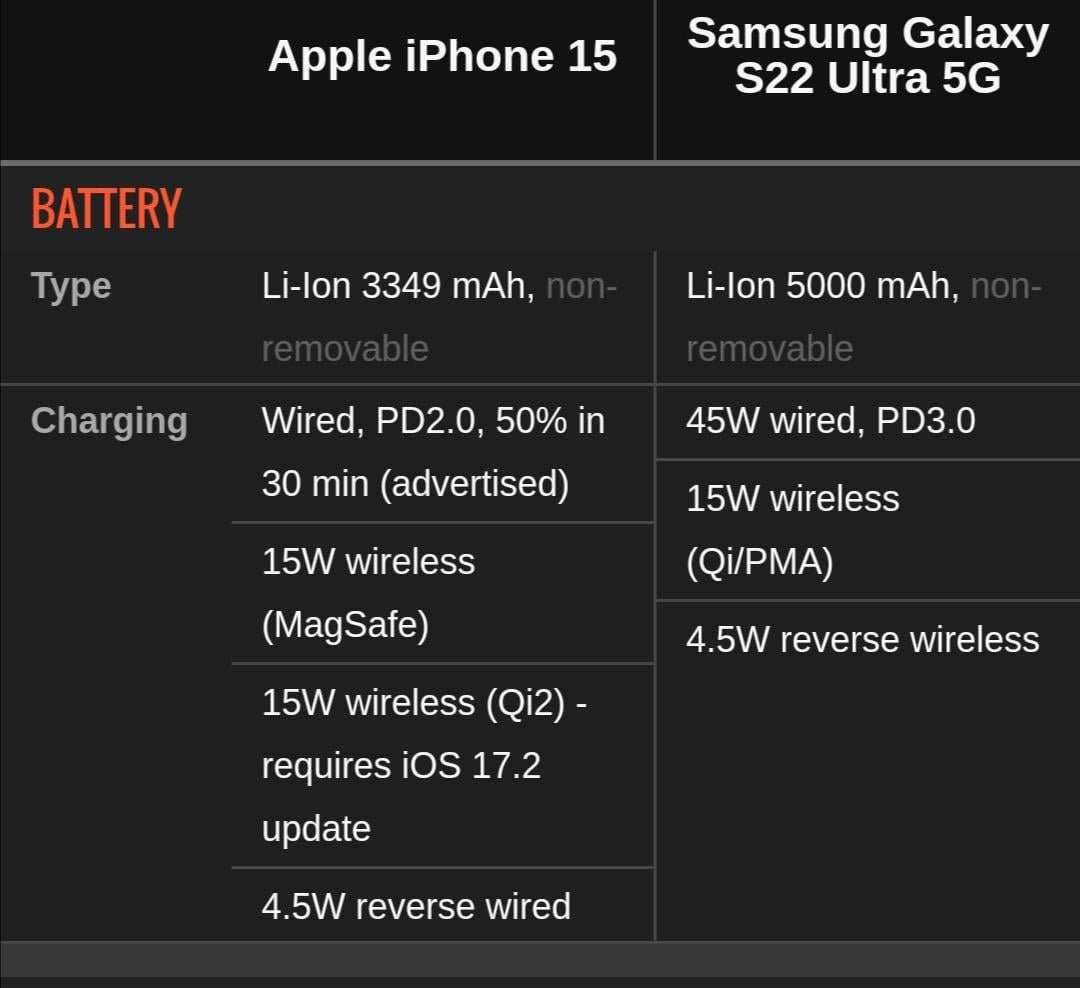
The answer to the ongoing debate about **iPhone battery vs Android battery** largely depends on usage habits and device models. Generally, Android phones offer more customization options for battery management, while iPhones excel in software optimization.
When comparing the two, it’s clear that Android batteries often provide longer overall lifespan, but iPhones tend to maintain consistent performance over time.
Understanding these differences helps users choose a device best suited to their daily needs, making the decision easier and more tailored to individual preferences.

iPhone Battery vs Android Battery: Comparing Performance, Design, and Lifespan
When choosing a smartphone, one of the most important factors for many users is battery life. You want a phone that lasts through your busy day without needing to be charged constantly. Apple’s iPhones and Android devices are the two biggest players in the mobile world, but how do their batteries compare? In this guide, we’ll dive into the details of iPhone batteries versus Android batteries. We’ll look at how each type performs, what makes them different, and what you should consider before buying a new phone. Let’s explore this topic in depth so you can make a smarter choice based on your needs.
Design and Build of Batteries
Understanding the design and build of batteries helps explain why some phones last longer or charge faster. Both iPhones and Android phones use lithium-ion batteries, but their design and integration differ.
iPhone Battery Design
Apple designs its batteries specifically for each iPhone model. Apple’s batteries are built to fit perfectly within the device’s slim frame, which means Apple prioritizes space efficiency.
- Battery capacity varies depending on the iPhone model, with newer models typically having larger capacities.
- Apple uses a custom battery design with safety features built-in to prevent overcharging and overheating.
- The batteries are integrated tightly with the phone’s hardware, optimizing energy management but limiting repair options.
Android Battery Design
Android phones are made by a variety of manufacturers, so their batteries can differ significantly.
- Many Android devices sport larger batteries, often exceeding the capacities found in iPhones, thanks to the larger size of these phones.
- Manufacturers have freedom to innovate with battery shapes and sizes, including removable batteries in some models.
- Some Android phones include advanced features like fast charging and reverse wireless charging, enhancing battery usability.
Battery Capacity and Performance
Battery capacity is measured in milliamp-hours (mAh). Generally, a higher mAh means longer battery life, but other factors influence actual performance.
How Battery Capacity Affects Usage
While larger batteries can store more energy, the real-world usage depends on how efficiently the phone manages power. For instance:
- Many Android phones with larger batteries can last an entire day or more, even with heavy use.
- iPhones tend to have smaller capacities but are optimized for power efficiency, often resulting in comparable or better battery life on a typical day.
Real-World Battery Life Comparison
On paper, some Android devices have a clear advantage with larger batteries, but in practice:
- iPhones often last from morning to night with moderate use due to iOS’s power optimization features.
- High-end Android phones with larger batteries and fast charging can support extended use, even during long trips or heavy gaming sessions.
Charging Speeds and Technologies
Charging speed is another key element influencing user experience.
iPhone Charging Capabilities
Apple has improved charging technology with recent models:
- Fast charging capable of reaching 50% in around 30 minutes with a compatible charger.
- Wireless charging support for convenience, along with MagSafe technology for secure attachment.
- Optimized charging features that slow down charging when the phone is full to protect battery health.
Android Charging Technologies
Android devices often offer a wide range of charging options:
- Many support super-fast charging, with some capable of 50% charge in just 15 minutes.
- Wireless charging is common, with some models supporting reverse wireless charging to power accessories.
- Fast-charging standards vary across brands, but overall, Android phones tend to have more diverse options.
Battery Lifespan and Longevity
Over time, all batteries degrade, leading to reduced performance. The phrase “battery cycle” refers to one full charge and discharge cycle, which impacts lifespan.
iPhone Battery Lifespan
Apple claims its batteries retain up to 80% of their original capacity after 500 full cycles. Apple’s software plays a role in maintaining battery health:
- iOS includes features like battery health management to slow down aging.
- Battery replacements are available through Apple, extending the device’s lifespan.
Android Battery Lifespan
Battery lifespan on Android varies by manufacturer, but general trends include:
- Most Android phones also support 300 to 500 cycles, with capacity declining afterward.
- Some devices offer user-replaceable batteries, which can make maintaining battery health easier.
- Battery management features are improving, but the lifespan can depend heavily on the device’s software and hardware quality.
Software Optimization and Power Management
The software running on a device drastically affects battery performance.
iPhone Software Optimization
Apple tightly controls iOS to optimize battery life:
- Power-saving modes limit background activity and screen brightness when needed.
- iOS intelligently manages app activity and data refreshes to conserve energy.
- Regular software updates help fix bugs that could drain battery faster.
Android Software Optimization
Android’s flexibility means different levels of optimization:
- Many manufacturers add power management features, but quality varies.
- Android can run multiple background processes that drain battery if not managed well.
- Custom ROMs and modifications can impact battery management positively or negatively.
Additional Factors to Consider
When comparing batteries, consider these other elements:
- Screen Technology and Brightness: Larger or brighter screens consume more power, affecting overall battery life.
- Usage Patterns: Heavy gaming, video streaming, or GPS navigation drain batteries faster regardless of device type.
- Battery Health Management: Proper charging habits and software features can prolong battery health over time.
Summary Table
| Feature | iPhone | Android |
|---|---|---|
| Typical Battery Capacity | 2000-3700 mAh | 3000-5000+ mAh |
| Charging Speed | Fast charge in 30 minutes for 50% | Fast charge in 15-20 minutes for 50% |
| Battery Life | One day with heavy use, good power management | One day or more with larger capacity, fast charging |
| Battery Degradation | Up to 80% capacity after 500 cycles | Similar, varies by manufacturer, some replaceable |
Getting a good battery life depends not only on the technical specs but also on how you use your device. Both iPhones and Android phones have made strides in ensuring their batteries last longer and charge faster. Your choice should reflect your lifestyle—whether you prefer a compact device optimized for efficiency or a larger device with a bigger battery to keep you going through long days.
By understanding these differences, you can pick the smartphone that best suits your needs, ensuring you stay connected and powered up whenever you need.
Frequently Asked Questions
How do battery replacement options differ between iPhones and Android devices?
iPhones typically require users to visit authorized service centers or Apple stores for battery replacements, which can be more costly and time-consuming. In contrast, many Android phones allow users to replace the battery themselves or visit third-party repair shops, making the process more flexible and often more affordable.
What impact does software optimization have on battery life across iPhone and Android phones?
Apple designs both the hardware and software, allowing for tight integration that optimizes battery performance efficiently. Android devices vary widely in software optimization, depending on the manufacturer and Android version. Well-optimized Android phones can offer comparable battery life, but inconsistent software updates may lead to less efficient power management over time.
How does the display technology influence battery consumption in iPhones versus Android phones?
iPhones typically use OLED displays in recent models, which consume less power when displaying dark themes. Many Android phones also incorporate OLED screens, but some use LCD displays that tend to drain more battery, especially with brighter displays. The choice of display technology plays a significant role in overall battery longevity for both devices.
In what ways do battery life expectations differ between iPhone and Android users?
Many users expect iPhones to maintain consistent battery life due to Apple’s tight hardware-software integration. Android users might experience more variability because of the diverse range of devices, hardware configurations, and software customizations. Overall, both users seek reliable battery performance but may face different experiences based on their device choices.
Are there differences in charging technologies between iPhones and Android devices?
iPhones support proprietary fast-charging and MagSafe wireless charging, which simplifies the charging process. Android phones often feature faster-charging technologies, including USB-C Power Delivery and various fast wireless charging standards, allowing for quicker and more versatile charging options depending on the model.
Final Thoughts
iPhone batteries typically last longer with optimized hardware and software integration. Android batteries vary more due to diverse device capabilities and customization options.
Both platforms offer different strengths; Android phones often have larger capacities, but iPhones excel in power efficiency.
In conclusion, when comparing iPhone battery vs android battery, iPhones generally provide better longevity and consistency, making them a reliable choice for users who prioritize battery life.
