

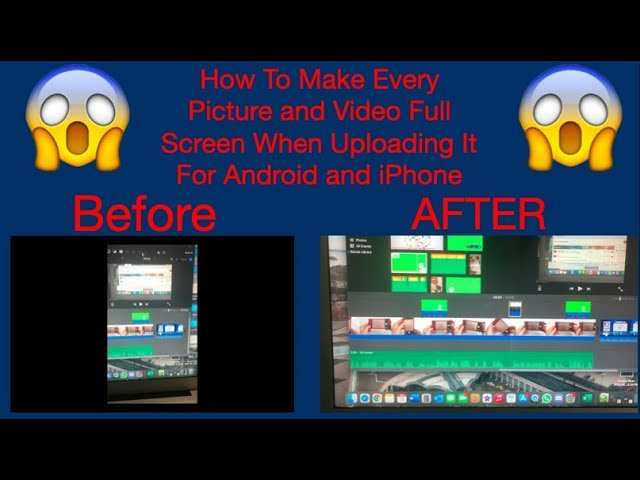
To make a video full screen on Android, simply tap the fullscreen icon or swipe up if supported. **This quickly maximizes your viewing experience.** If you want to know how to make video full screen on android, adjusting the playback settings or using gestures often does the trick. You’ll find that many apps have built-in options for full-screen mode, making it easy to enjoy videos without distractions. A few taps or swipes will have you watching in the perfect format in no time.

How to Make Video Full Screen on Android
Watching videos on your Android device is a common activity, whether you’re relaxing, studying, or just passing time. However, sometimes videos don’t automatically use the entire screen, which can be frustrating. Luckily, there are simple ways to make videos display in full screen mode so you get the best viewing experience. This guide will walk you through various methods and tips on how to make your videos fill the entire screen on Android devices.
Whether you’re watching on YouTube, social media apps, or video players, understanding how to maximize your screen space ensures you enjoy your videos without distractions. Let’s take a look at different ways you can do this.
Understanding Full Screen Mode on Android
Before jumping into solutions, it helps to understand what full screen mode means on Android. When a video is in full screen, it covers the entire display, hiding any interface elements like navigation bars, status bars, or app controls. This mode offers an immersive experience, making the video the main focus.
Some key points about full screen mode include:
- It varies depending on the app you use to watch videos.
- Sometimes, you need to manually activate full screen mode.
- Android offers system-wide settings that can help hide navigation and status bars.
- Different Android versions and device manufacturers may have slightly different ways of handling full screen videos.
Now, let’s explore how to enable full screen viewing in various scenarios.
Using the Built-in Full Screen Controls in Video Apps
Most video apps have their own full screen feature designed for easy use. Here’s how to activate full screen mode in popular apps:
YouTube
- When watching a video, look for the full screen icon at the bottom right of the video screen — usually represented by a square or rectangles.
- Tap this icon once. The video will expand to fill the entire display.
- To exit full screen, tap the same icon again or tap on the screen to reveal controls, then hit the exit full screen button.
- For seamless experience, enable “Auto-rotate” in your device settings, so the video switches to landscape mode automatically if your device supports it.
Vimeo, Dailymotion, and Other Video Platforms
- Similar to YouTube, these apps have a full screen icon usually located near the video controls.
- Tap to enter full screen, and tap again to exit.
- Most apps automatically switch to landscape mode when you rotate your device, but make sure auto-rotate is enabled.
Social Media Apps (Instagram, Facebook, TikTok)
- Videos embedded on social media platforms often support full screen with a tap or swipe gesture.
- In Instagram Stories or TikTok, simply tap the video or swipe up to view in full screen.
- For Facebook videos, tap the video, then press the full screen icon or rotate your device to landscape.
Enabling Screen Rotation for Better Full Screen Experience
Sometimes, videos don’t automatically switch to full screen because auto-rotation is disabled. Here’s how to enable it:
Activate Auto-Rotate in Settings
- Pull down the notification shade from the top of your screen.
- Look for the auto-rotate icon, often depicted as a circular arrow.
- Tap it to enable rotation. When active, your device will switch between portrait and landscape modes based on how you hold it.
Adjust Screen Orientation in Specific Apps
- Some apps have their own orientation settings. Check within app settings if available.
- On Android, go to Settings > Display > Auto-rotate screen or similar menus to set preferences.
Using Gesture Controls to Enter Full Screen
Many modern Android devices support gestures that facilitate full screen viewing:
Swipe Gestures
- In some apps like YouTube or media players, tapping the video once reveals controls, including full-screen icons.
- Some functionality might be achieved by double-tapping the video to toggle full screen.
Pinch to Zoom
- While not a true full screen feature, pinching out on the video can enlarge it to fill more of the screen temporarily.
- This works especially in media players where zooming is supported.
Using Third-Party Apps and Tools for Full Screen Video
If your app doesn’t support full screen mode well or you want more control, third-party apps can help:
Video Players with Enhanced Full Screen Features
- Apps like MX Player, VLC for Android, and GOM Player support full screen playback with customizable settings.
- Download and install one of these players.
- Open your video within the app and activate full screen mode using their controls.
Screen Overlay and Customization Apps
- Apps like “Navigation Gestures” can help hide system bars or create custom gestures for easier full screen access.
- Ensure you grant the necessary permissions for smooth operation.
Adjusting System Settings for a Full Screen Experience
System-level adjustments can improve your video viewing:
Hide Navigation and Status Bars
- Go to Settings > Display > Full screen apps or similar settings.
- Enable options to hide navigation bars when watching videos.
Enable Immersive Mode
- Some Android devices support immersive mode through developer options or specific settings.
- To access Developer Options, go to Settings > About Phone > Tap Build Number seven times.
- In Developer Options, search for “immersive mode” and enable it globally or for specific apps.
Tips for the Best Full Screen Experience
To make your viewing experience top-notch, consider these tips:
- Use landscape mode for wider viewing. Hold your device horizontally.
- Enable auto-rotate to switch automatically between portrait and landscape.
- Disable notifications or activate Do Not Disturb mode to avoid interruptions while watching videos.
- Update your apps regularly, as developers often improve full screen support.
- Check your device’s display settings for color calibration and brightness to enhance video quality.
Getting videos to display in full screen on Android is straightforward once you know where to look and what settings to adjust. Whether you’re using built-in app controls, adjusting device orientation, or employing third-party apps, these tips help you enjoy your videos without distractions. Remember to keep your device’s software up-to-date, enable auto-rotate, and use the proper gestures or controls. With these simple steps, you can maximize your screen space and enjoy immersive viewing anytime you want.
Frequently Asked Questions
How can I adjust video playback to fill the entire screen on my Android device?
To make a video fill the entire screen, tap on the video to reveal playback controls. Look for a full-screen icon, usually represented by a square or diagonal arrows, and tap it. The video will expand to cover the whole screen. If the icon isn’t visible, try rotating your device to landscape mode; many apps automatically switch to full-screen in this orientation.
Is there a way to set videos to always open in full screen on Android?
Some video apps allow you to set videos to open in full-screen mode by default. Check the app’s settings for display or playback options. If no such setting exists, consider using third-party video players that support default full-screen playback. Additionally, updating the app or Android system can sometimes improve full-screen compatibility.
How do I enable full-screen mode during video playback in third-party apps?
During playback, look for a full-screen or expand icon within the app’s interface. Tap this icon to switch the video display to full screen. If the icon isn’t present, try rotating the device to landscape mode. Some apps also support gesture controls, such as double-tapping or swiping, which you can customize in settings to toggle full-screen mode easily.
What should I do if videos do not go full screen on my Android device?
If videos refuse to switch to full screen, first check if your device’s display settings or the app settings have any restrictions. Ensure your app and system software are updated to the latest versions. Restart your device and try again. If the problem persists, clear the app cache or reinstall the app to resolve potential glitches.
Final Thoughts
To make video full screen on Android, start by opening your preferred video player app. Tap the screen to access controls and look for the full-screen icon, usually represented by a square or arrows. If the icon isn’t visible, rotate your device to landscape mode. Some apps also support pinch-to-zoom gestures to fill the screen completely.
In conclusion, knowing how to make video full screen on Android enhances your viewing experience. Using rotation, gesture controls, or app-specific options allows for easy full-screen videos. Follow these simple steps to enjoy your videos without distractions or borders.
