

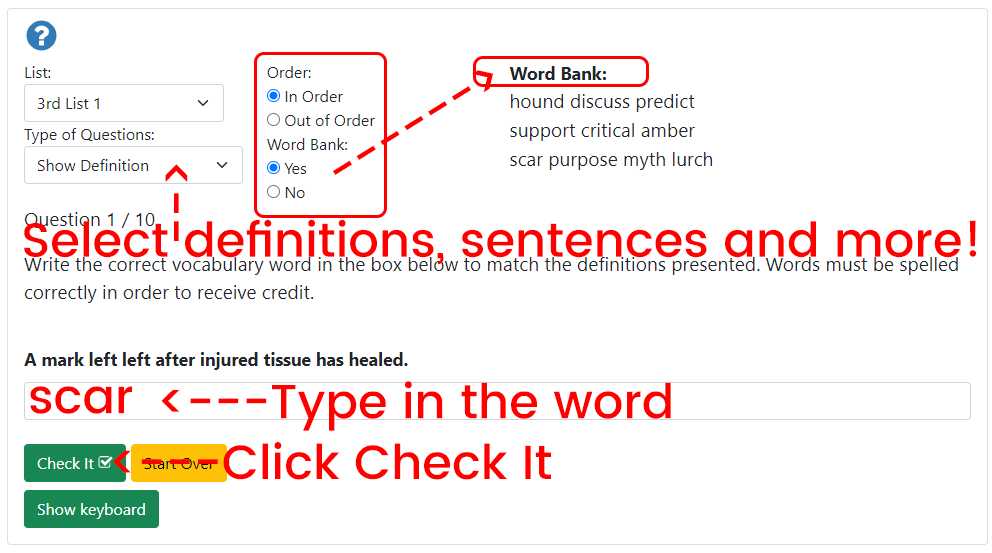
Quick answer: To request vocabulary practice using word list prompts, simply type out your list of words and ask for exercises like matching, fill-in-the-blank, or flashcards. This way, you can tailor your practice sessions to focus on specific vocabulary areas and improve retention.
Looking to boost your vocabulary efficiently? The trick is to leverage word list prompts—just type your list of words and specify the type of practice you prefer. Whether it’s creating flashcards, matching exercises, or fill-in-the-blank activities, requesting tailored exercises makes learning engaging and effective. No need to search for pre-made materials; with a simple prompt, you can generate customized practice lists that suit your learning pace and target vocabulary. This approach puts you in control of your language journey, turning rote memorization into an interactive and productive experience. Ready to enhance your vocabulary? Just start typing your word lists and ask for specific exercises tailored to your needs.

How to request vocabulary practice by typing word list prompts
Understanding the importance of vocabulary practice
Vocabulary practice helps learners expand their word knowledge and use words correctly in context. It makes language learning more effective and enjoyable. When learners practice vocabulary, they improve reading, writing, speaking, and listening skills.
Regular practice helps students remember words longer and use them naturally. It also boosts confidence when speaking or writing. Using word list prompts is a simple way to organize and focus vocabulary practice sessions.
How to create effective word list prompts
To request meaningful vocabulary practice, start by preparing a clear list of words you want to learn. Break the list into manageable sections based on themes or difficulty levels. This makes practice sessions less overwhelming and more targeted.
Ensure your list includes a mix of common words and more challenging ones. Add definitions, example sentences, or synonyms for each word if possible. This additional information enriches your understanding and makes practice more engaging.
Using AI tools for vocabulary practice with word list prompts
Artificial intelligence tools can assist learners in practicing vocabulary by interpreting your word list prompts. For instance, AI-powered chatbots or language models can generate exercises, quizzes, or practice sentences using your list.
To effectively use these tools, type your list clearly and organize it logically. Specify the type of practice you want, such as fill-in-the-blank exercises, matching synonyms, or using words in sentences. This helps the AI generate tailored practice materials.
Example of requesting AI vocabulary practice
Suppose you have a list like:
- happy
- excited
- disappointed
You can prompt the AI with: “Create a quiz using these words with definitions and example sentences.” The AI then generates relevant practice exercises for your review.
Strategies for typing effective word list prompts
Be concise but specific in your prompts to get the best results. Clearly mention the number of exercises or type of practice you prefer. For example, ask for multiple-choice questions or sentence completion tasks.
Use proper spelling and formatting for your list to avoid confusion. Organize words alphabetically or by theme to facilitate better AI interpretation. You can also include instructions like “focus on synonyms” or “use words in daily conversation contexts.”
Sample prompt structure
A well-structured prompt might look like this:
“Please generate five vocabulary exercises based on the following words: elegant, rugged, peaceful, vibrant, and gloomy. Include definitions, example sentences, and multiple-choice questions for each word.”
Enhancing practice with supplementary prompts
To deepen your understanding, request additional prompts such as:
- Matching words to their definitions
- Writing sentences using each word
- Creating fill-in-the-blank exercises with your list
- Generating crossword puzzles or word searches based on your words
These varied activities keep vocabulary practice interesting and comprehensive.
Tips for maximizing vocabulary practice via prompts
Practice consistently to improve retention. Daily or weekly sessions help reinforce learning.
Mix practice types to keep your sessions engaging. For example, alternate between quizzes, writing exercises, and conversation-based prompts. Use feedback from AI or teachers to identify areas that need improvement.
Make sure your word lists are challenging yet attainable. Including familiar words along with new vocabulary prevents frustration and encourages confidence. Review your lists regularly and add new words frequently.
Related topics for a broader learning experience
Integrate vocabulary practice with other language skills. For example, practice pronunciation alongside typing exercises. Combine vocabulary with grammar drills to form complete sentences.
Explore apps and online platforms that support prompt-based learning. They often offer customizable word lists and immediate feedback, which enhances your progress.
Additionally, use visual aids like flashcards or images while practicing with prompts. Visual cues can improve recall and deepen word understanding.
Requesting vocabulary practice through typed word list prompts offers a flexible and effective way to expand your vocabulary. By creating well-structured lists and using AI tools strategically, learners can enjoy personalized and varied exercises. Consistent practice with these prompts not only increases word knowledge but also boosts confidence in using new words naturally in speaking and writing. Incorporating these techniques into your daily routine makes vocabulary building a manageable and enjoyable part of language learning.
Digital SAT Prep: Vocabulary Words Hack for a High Score
Frequently Asked Questions
How can I specify a particular set of words for practice using prompts?
To focus your vocabulary practice on specific words, type your list clearly separated by commas, spaces, or line breaks. For example, you can input “apple, banana, cherry” or list each word on a new line. This helps the system understand exactly which words you want to work on and tailor the practice accordingly.
What strategies help improve vocabulary retention when using word list prompts?
Using contextual sentences alongside your word lists can enhance retention. When you input words, consider adding example sentences or related phrases to reinforce understanding. Repeating the words in different contexts and reviewing the list regularly also helps solidify your memory of each term.
How do I modify the level of difficulty in vocabulary practice with prompts?
You can adjust difficulty by including words that match your current skill level or gradually introducing more complex terms. Specify the desired difficulty or target vocabulary level before inputting your list. Additionally, requesting practice with synonyms, antonyms, or related concepts can help challenge your understanding.
What should I do if I want to practice synonyms or antonyms of certain words instead of the words themselves?
Type your original list and explicitly ask for synonyms or antonyms. For example, input “happy” and request “provide synonyms and antonyms.” The system then offers related words that expand your vocabulary and deepen your understanding of each term’s nuances.
Can I request multiple types of vocabulary exercises using word list prompts?
Yes, you can specify the kinds of exercises you want, like matching, fill-in-the-blank, or multiple-choice questions, by including your preferences in the prompt. For instance, list your words and note that you wish to practice through quizzes or sentence completion activities. This customization helps make your practice sessions more engaging and effective.
Final Thoughts
To request vocabulary practice by typing word list prompts efficiently, be specific about the words you want to focus on. Clearly list the words and specify if you want definitions, synonyms, or usage examples. Use concise instructions to guide the practice sessions. By following these steps, you make your practice more targeted and effective. In summary, understanding how to request vocabulary practice by typing word list prompts helps optimize your language learning efforts.
