

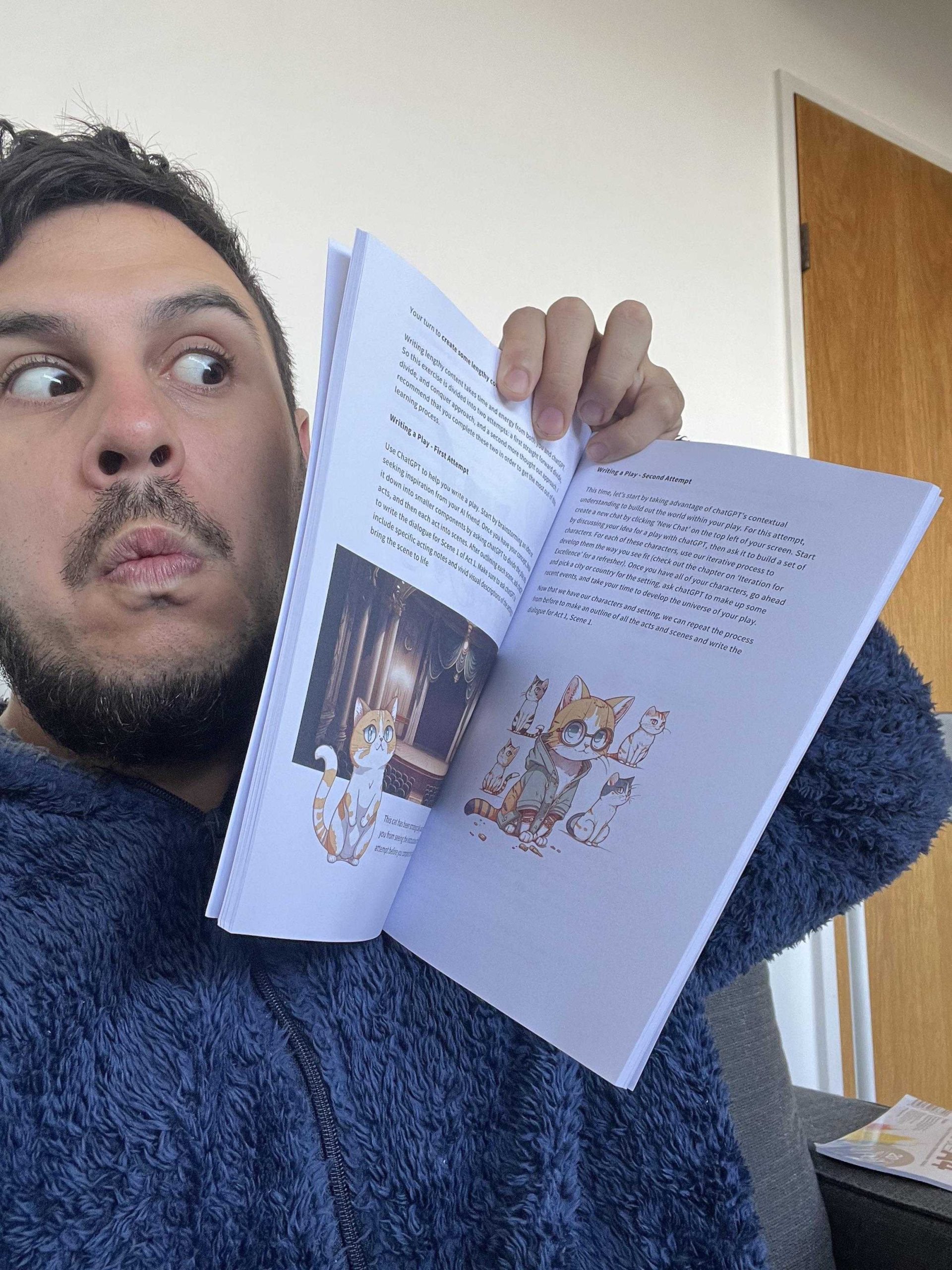
Absolutely, you can publish a book written by ChatGPT, but there are some important considerations. The quick answer is yes, it’s possible, but you should be aware of copyright issues, transparency, and the quality of the content. Many authors are exploring AI-generated writing, and publishers are gradually adapting to this new landscape. If you want to publish a book created with ChatGPT, you’ll need to understand intellectual property rights, ensure your work adheres to publishing standards, and be transparent with your audience about AI involvement. With the right approach, AI-generated texts can become a valuable tool in your publishing journey.
Thinking about publishing a book written by ChatGPT? Many wonder if it’s even allowed or ethically sound. The good news is that, technically, AI-generated content can be published, but it comes with some legal and ethical nuances. From copyright concerns to ensuring originality, there’s a lot to consider before turning AI-produced work into a published book. In this article, we’ll explore the ins and outs of publishing AI-created content, helping you navigate the process confidently and responsibly.

Can I Publish a Book Written by Chat GPT?
Many authors and aspiring writers wonder if they can publish a book created with the help of Chat GPT. The rise of AI tools has opened new possibilities for content creation, but legal and ethical questions arise. This article explores whether you can publish a book written by Chat GPT, what legal considerations exist, and how to ensure your work is original and publishable.
Understanding Chat GPT’s Role in Book Writing
Chat GPT is an AI language model that generates text based on input prompts. It can help writers craft stories, articles, or even full-length books quickly. However, it’s important to recognize that Chat GPT is a tool, not an author in itself.
When you use Chat GPT, you provide instructions or prompts, and the AI produces content. This means your involvement shapes the final product, but the AI plays a significant part in generating the text. Knowing this distinction affects how you can publish the work legally and ethically.
Legal Considerations for Publishing AI-Generated Content
Copyright Ownership
One key question is whether AI-generated content can be copyrighted. In many countries, including the United States, copyright law requires a human author to hold rights. Since AI does not have legal personhood, works solely created by AI may not qualify for copyright protection.
However, if a human provides substantial input, editing, or creative guidance and the AI acts as a tool, the human creator often owns the rights. Your role in shaping the content is crucial in establishing copyright ownership.
Using AI Content Legally
Some AI tools have specific terms of service that restrict how their outputs can be used commercially. Always review Chat GPT’s usage policies to ensure your intended publishing aligns with their rules.
Additionally, consider whether the generated content contains any copyrighted material from training data. While OpenAI strives to prevent this, there is always a slight risk of unintentional inclusion of protected content.
Ethical Issues in Publishing AI-Generated Books
Transparency with Readers
Transparency is essential when publishing AI-generated work. Letting your audience know about the use of Chat GPT maintains honesty and builds trust. You might include a note explaining how the book was created.
Originality and Creativity
While Chat GPT can produce unique content, it may also generate similar outputs to other prompts or works. Ensuring your book has a distinctive voice and adds personal touch helps avoid claims of plagiarism or lack of originality.
Steps to Prepare Your AI-Generated Book for Publishing
Editing and Revising
AI-generated text often needs human editing. Refining the language, fixing inconsistencies, and adding personal insights make the book more engaging. Remember, your involvement boosts the quality and makes the work truly yours.
Checking for Plagiarism
Use plagiarism detection tools to ensure your content is original. While Chat GPT aims to produce unique text, verifying helps avoid unintentional similarities with existing works.
Adding Personal Content
Incorporate your own stories, opinions, or experiences to enrich the book. This personal touch demonstrates your authorship and makes the final product more authentic.
Publishing Platforms and Their Policies on AI Content
Amazon Kindle Direct Publishing
Amazon allows the publication of AI-assisted works as long as they meet their content guidelines. Be transparent with your readers about your book’s creation process and avoid plagiarism.
Other Self-Publishing Sites
Platforms like Lulu, Smashwords, or Draft2Digital have similar policies. Always review their terms of service to confirm AI-generated works are permitted and understand their copyright and content requirements.
Strategies for Ensuring Your Book Meets Publishing Standards
- Refine and edit the AI-generated content thoroughly.
- Include a declaration of AI assistance if preferred by the platform.
- Use legal and plagiarism tools to verify content integrity.
- Embed your voice and unique perspective to make the book stand out.
- Respect copyright laws and platform policies at all stages.
Related Topics: Exploring the Future of AI and Publishing
The Role of AI in Future Publishing
AI tools will likely become more integrated into the publishing process, from drafting to marketing. Staying informed about technological advancements helps authors adapt and succeed.
Ethical Use of AI in Creative Fields
Balancing AI assistance with genuine creativity ensures ethical standards are upheld. Authors should be transparent and respectful of existing copyrights while leveraging AI’s capabilities.
Legal Developments to Watch
Copyright laws regarding AI-generated content are evolving. Keeping an eye on legislative changes helps authors stay compliant and avoid future legal issues.
In conclusion, publishing a book written with Chat GPT is possible, provided you understand the legal, ethical, and practical considerations. Your role in editing and shaping the content is crucial for claiming authorship and ensuring the work meets publishing standards. As AI continues to shape the future of writing, staying informed and responsible will help you succeed in sharing your stories with the world.
How to write an entire book with ChatGPT
Frequently Asked Questions
Is it legally acceptable to publish a book solely written by ChatGPT?
Yes, you can publish a book created with ChatGPT, but you need to be aware of copyright laws and platform policies. Ensure that you hold the rights to the content or have permission if using parts from other sources. It’s also important to review the terms of use of the AI tool to make sure your publication aligns with their guidelines.
What are the potential challenges when publishing a book generated by AI like ChatGPT?
One challenge is ensuring the originality and quality of the content since AI may produce text that requires editing or fact-checking. Additionally, publishers and platforms might have restrictions or specific policies regarding AI-generated content. You should also consider the legal aspects related to copyright and attribution.
How should I handle copyright when publishing a book written by ChatGPT?
Copyright ownership typically belongs to the person who creates and edits the content, even if an AI generates the initial draft. It’s advisable to add your own input and modifications to establish clear authorship. Including a statement about the role of AI in your work can also clarify copyright rights and responsibilities.
Are there any platforms that accept books created with ChatGPT?
Many self-publishing platforms, such as Amazon Kindle Direct Publishing, allow authors to publish AI-assisted works. However, each platform has its own rules regarding content originality and disclosure, so review their policies carefully before submitting your book.
Should I disclose that an AI helped create my book?
While not always legally required, transparently sharing that AI tools assisted in the writing process can build trust with your readers. Disclosure also helps clarify your role in the creative process and addresses any platform-specific requirements regarding AI-generated content.
Final Thoughts
You can publish a book written by ChatGPT, but understanding legal and ethical aspects is important. Ensure you have the rights to use the content and disclose AI involvement if necessary.
Copyright laws vary by country, so research local regulations beforehand.
In conclusion, can I publish a book written by chat gpt? Yes, you can, but verify any rights or restrictions attached to AI-generated content.
