

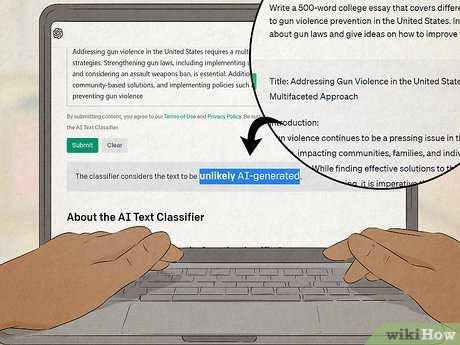
Yes, it is possible to get caught using ChatGPT if you’re not careful, especially if you misuse or rely on it for dishonest purposes. While ChatGPT is designed to assist and enhance your productivity, using it improperly can lead to detection, whether by academic institutions, employers, or detection tools. Being aware of the risks and using the AI ethically is crucial to avoid trouble.
If you’re wondering whether you can get caught using ChatGPT, the short answer is yes—especially if you’re using it inappropriately or trying to pass off AI-generated work as your own. However, responsible use and understanding the boundaries can help you leverage this powerful tool safely without facing repercussions. It’s important to use ChatGPT as a helpful assistant rather than a shortcut to avoid detection.
Using ChatGPT can be a game-changer for many tasks, but many worry about the risks involved, especially in academic or professional settings. People often ask if they can get caught when using it, and the answer depends on how and when they use the tool. Cheating or submitting AI-generated work without acknowledgment can lead to serious consequences, including detection and disciplinary action. Even when used ethically, some detection methods might still identify AI involvement, making it essential to understand the limits and ethical considerations. Staying transparent and using ChatGPT as a supplementary tool rather than a replacement helps you stay safe and honest in your endeavors.

Can I Get Caught Using Chat GPT? Understanding the Risks and Protections
Using Chat GPT can be a helpful tool for many tasks, but many wonder if they can get caught when they use it. This concern is common, especially for students, writers, and professionals who want to keep their work original. Let’s explore the possibilities of being caught and how to avoid risks when using Chat GPT.
How AI Detection Works
AI detection tools analyze text to determine if it was written by a human or generated by an AI. They look for patterns like repetition, unnatural phrasing, and lack of personal touch. These tools are becoming more advanced but are not perfect, which means some AI-generated content may slip through undetected.
Detection tools often compare text against large databases to identify similarities. They also check for inconsistencies in style and tone that may signal AI involvement. It is important to note that these tools are continually being improved, making it a game of cat and mouse.
Can You Really Get Caught Using Chat GPT?
The answer depends on several factors. If you use Chat GPT to produce content for academic work or professional submissions without proper acknowledgment, you risk being caught. Educational institutions and companies are increasingly monitoring for AI-generated content to maintain fairness and originality.
However, if you use Chat GPT as a tool to help brainstorm ideas or improve your writing, it’s less likely you will be flagged. The key is how you incorporate AI outputs into your work and whether you disclose its use when necessary.
Risks in Different Contexts
Academic Settings
Schools and universities often use special detection software to catch AI-generated essays or reports. If detected, students may face penalties like failing grades or disciplinary actions. It is essential to understand your institution’s policies on AI tools to avoid trouble.
Workplace and Professional Use
Many companies have policies against using AI tools for official documents without approval. Using Chat GPT for emails, reports, or presentations without disclosure might violate these policies. Always check your employer’s guidelines before relying heavily on AI-generated content.
Creative and Public Content
For blogs, social media, or other public content, getting caught is less likely unless you claim the work as your own without disclosure. However, transparency about the use of AI can build trust with your audience.
How to Reduce the Chances of Getting Caught
Use AI as a Support Tool
Instead of submitting AI-generated work as your own, use it to brainstorm ideas, outline topics, or improve grammar. This way, your original voice remains dominant.
Modify and Personalize Outputs
Rephrase AI suggestions to better fit your style. Add personal experiences and insights to make the content unique. The more you customize, the less detectable your work becomes.
Disclose AI Assistance When Necessary
In situations where transparency is expected, like academic papers or professional reports, mention your use of AI tools. Honesty can protect you from potential issues.
Stay Updated on Detection Technology
Follow news about AI detection tools to understand their capabilities and limitations. This knowledge helps you adapt your approach and avoid accidental detection.
Legal and Ethical Considerations
Using Chat GPT responsibly involves understanding both legal and ethical boundaries. Avoid claiming AI-generated work as entirely your own, especially in academic and professional environments.
Many institutions are developing policies about AI. Respecting these rules helps maintain your integrity and prevents potential disciplinary actions.
Ethically, transparency about AI use builds trust and encourages fair practices. When in doubt, always ask for permission or clarify your methods.
Common Myths About Getting Caught with Chat GPT
- Myth: You will definitely be caught if you use AI tools.
- Reality: Detection depends on the context, the technology used, and how you incorporate AI outputs.
- Myth: Simply rephrasing AI text guarantees you won’t be detected.
- Reality: Advanced detection tools look for subtle signs, but clever editing can help avoid detection.
- Myth: AI tools are illegal to use.
- Reality: Using AI tools is legal; problems arise when misrepresenting AI-generated work as entirely human-made.
Future of AI Detection and Use
As AI technology continues to evolve, so will detection tools. It’s likely they will become more accurate and integrated into various platforms. This ongoing development emphasizes the importance of responsible AI use.
In the future, we may see clearer guidelines about AI’s role in education, business, and creative fields. Staying informed about these changes helps users navigate the landscape safely.
Practical Tips for Safe and Ethical Use
- Always use AI to assist, not replace, your personal efforts.
- Modify AI-generated content extensively to fit your voice and context.
- Disclose AI assistance where transparency is expected or required.
- Stay updated on detection tools and policies related to AI use.
- Respect rules and guidelines of your institution or workplace.
Using Chat GPT can be a powerful aid, but it’s crucial to understand the boundaries and risks involved. Being aware of how detection works and adopting ethical practices can help you avoid getting caught while still benefiting from AI’s capabilities. Remember, responsible use fosters trust and ensures that AI remains a helpful tool rather than a source of trouble.
How to not get caught using chatbo
Frequently Asked Questions
Is it possible to get into trouble for using AI chatbots like ChatGPT?
Using ChatGPT responsibly generally doesn’t lead to trouble, but issues can arise if users attempt to deceive others or violate platform rules. For example, passing off AI-generated content as your own without proper acknowledgment or using it to create misleading information can have consequences. Always follow the terms of service and ethical guidelines to avoid potential problems.
Could my usage of ChatGPT be flagged as suspicious by authorities or platform moderators?
While ChatGPT itself is designed to be safe and compliant with policies, frequent or automated usage might sometimes trigger suspicion, especially if it appears to be used for malicious purposes or spam. Maintaining transparent and appropriate use helps prevent misinterpretation and reduces the likelihood of being flagged.
What risks are involved if I rely heavily on ChatGPT for academic or professional work?
Heavy reliance on ChatGPT for assignments or work can raise questions about originality and authenticity. Educational institutions and employers might investigate whether the work was genuinely done by you. To avoid issues, use AI-generated content as a supplement rather than a substitute, and always cite sources when required.
Can I be held responsible if someone else uses my ChatGPT account for misconduct?
Yes, if someone else accesses your account and engages in misconduct, you might face consequences depending on the platform’s policies. Protect your account with strong passwords and avoid sharing login details to prevent misuse that could be traced back to you.
Are there legal implications for using ChatGPT in certain regions?
Legal concerns depend on local laws regarding AI use and online content. In some regions, generating certain types of content with AI might violate regulations or intellectual property rights. Users should familiarize themselves with regional laws to ensure compliance and avoid legal complications.
Final Thoughts
Using ChatGPT may raise concerns about getting caught, but the risk depends on how you use it. If you submit AI-generated content as your own, detection tools might flag it. However, many users blend their own ideas with AI assistance to avoid suspicion.
Can I get caught using ChatGPT? Yes, it’s possible, especially if you fail to modify or personalize the output. Staying aware of academic or platform policies helps you navigate its use more responsibly.
