

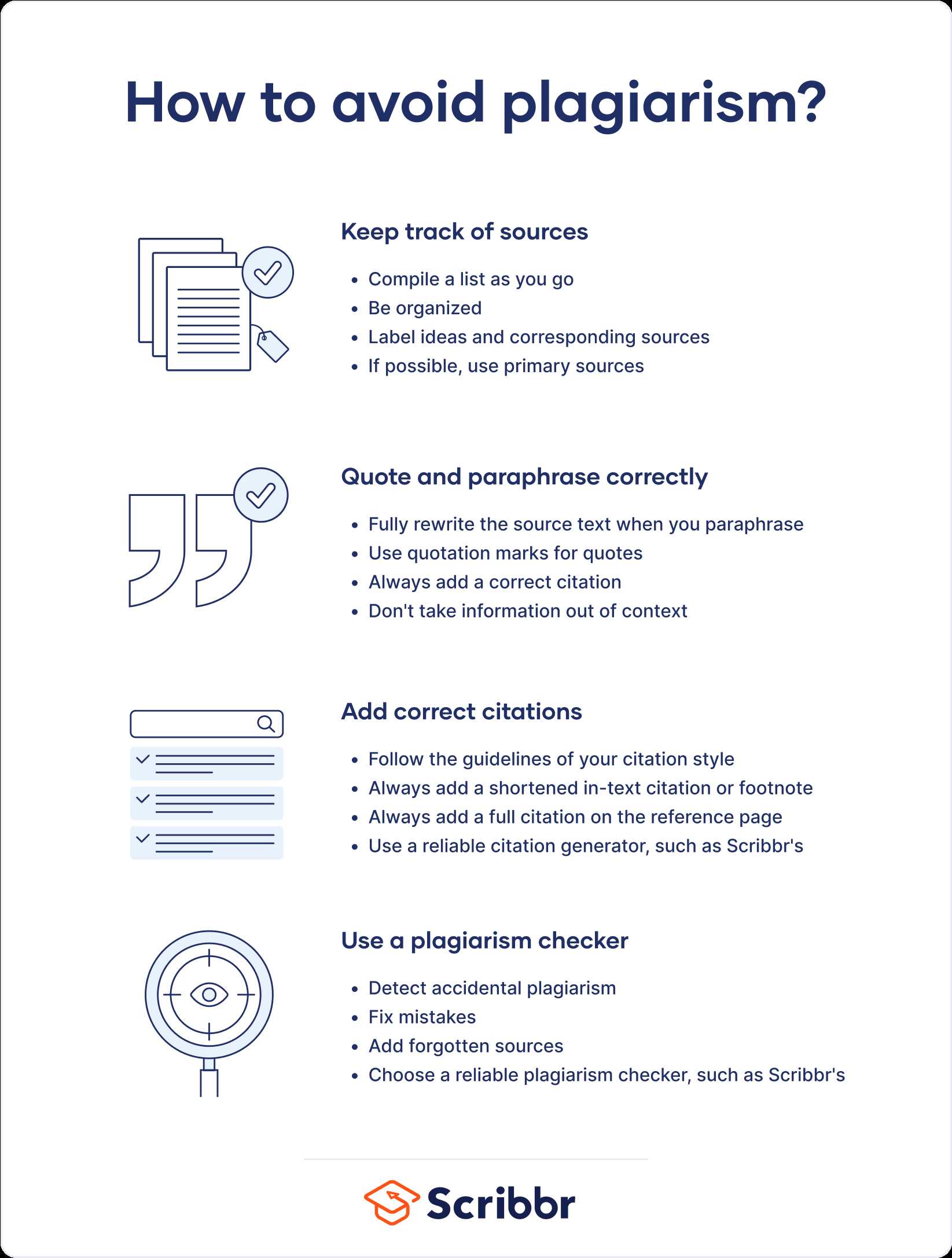
If you’ve found yourself with a plagiarized essay, the first step is to rewrite it completely in your own words, ensuring you understand the content thoroughly. Proper citation and referencing are essential to avoid future issues, and using plagiarism checkers can help verify originality. These simple steps can transform a copied work into an authentic, well-crafted submission.
To change a plagiarized essay, you should first understand the original content and then rephrase it entirely, adding your own insights and style. Properly cite all sources and run the essay through plagiarism detection tools to ensure originality. This process not only corrects the plagiarism but also improves your writing skills and academic integrity.
If you’ve accidentally used someone else’s words without proper acknowledgement, don’t panic. Addressing a plagiarized essay involves rewriting it from scratch with your voice, adding new ideas or perspectives, and giving credit where it’s due. By doing so, you can turn a problematic paper into a genuine demonstration of your knowledge.

How to Change a Plagiarized Essay
When you find out that your essay contains plagiarism, it’s important to act quickly and responsibly. Changing a plagiarized essay involves more than just rephrasing words; it requires understanding what plagiarism is and how to properly rewrite your work. This guide will walk you through step-by-step processes to help you revise your essay effectively.
Understanding Plagiarism and Why It Matters
Plagiarism occurs when you copy someone else’s work or ideas without giving proper credit. It can lead to serious academic consequences, including failing grades or suspension. Recognizing the importance of original work motivates you to learn how to correct your essay properly.
It’s essential to understand that plagiarism can be unintentional, especially if you’re unfamiliar with citation rules. Educating yourself about what constitutes plagiarism helps prevent future issues.
Initial Steps to Address a Plagiarized Essay
The first step is to identify exactly which parts are plagiarized. Use online tools like Turnitin or Grammarly to scan your essay and spot any copied content.
Once identified, do not panic. Instead, approach the task of rewriting with focus and honesty to produce original material that reflects your understanding.
Break Down the Plagiarized Content
Review the sections flagged as plagiarized carefully. Understand the main ideas and how they relate to your topic. This helps you to paraphrase effectively and maintain the essay’s flow.
Take notes on key points and concepts to ensure you grasp the material fully. This understanding is crucial when rewriting in your own words.
How to Rephrase and Paraphrase Properly
Use Your Own Words
Change sentence structures and vocabulary while keeping the original meaning. Avoid just swapping words with synonyms, which can be superficial and still considered plagiarism.
Change Sentence Structure
Alter the order of ideas or combine sentences differently. For example, convert a passive sentence into an active one or vice versa.
Integrate Your Own Analysis
Add your thoughts or examples to support the main ideas. This makes your essay more personal and reduces reliance on source material.
Proper Citation and Referencing
Always cite sources when you use ideas, data, or quotes from other authors. Use the citation style required by your instructor, such as MLA, APA, or Chicago.
Include in-text citations immediately after the borrowed material and provide full references at the end of your essay.
- In-text citation: A brief source reference within your writing.
- Reference list: Complete details of the source at the end of the document.
Use Quotation Marks for Direct Quotes
If you need to include the exact words from a source, place the text within quotation marks. Ensure you also cite the source accurately.
Limit direct quotes to maintain originality and demonstrate your understanding.
Include Your Unique Voice and Perspective
Enhance your essay by adding your insights and opinions. This makes your work authentic and less likely to be flagged for plagiarism.
Answer questions like “What do I think about this?” or “How does this relate to my experience?” in your writing.
Checking Your Work Before Submission
After rewriting, run your essay through plagiarism detection tools again to confirm all issues are resolved.
Review your essay for clarity, coherence, and proper citation. Make sure it reads naturally and reflects your understanding.
Tips for Avoiding Future Plagiarism
- Always take detailed notes during research, noting sources for each idea.
- Learn proper citation techniques early on.
- Ask your teacher or a librarian if you’re unsure about how to cite sources correctly.
- Use plagiarism checkers regularly to verify originality.
- Practice paraphrasing skills to develop your ability to express ideas in your own words.
Summary: Turning a Plagiarized Essay into an Original Piece
The key to changing a plagiarized essay is understanding the source material thoroughly, rephrasing ideas in your own words, and correctly citing every borrowed thought. By doing so, your essay becomes truly yours and adheres to academic integrity standards.
Remember, rewriting doesn’t mean just changing a few words. It involves reshaping sentences, adding your analysis, and ensuring source acknowledgment. With patience and effort, you can correct any plagiarized work and develop strong writing habits for future assignments.
😮 Remove Plagiarism in 30 Seconds!
Frequently Asked Questions
What steps can I take to rework a plagiarized essay into original content?
Start by thoroughly reading the essay to understand its core ideas. Then, paraphrase each section by expressing the ideas in your own words, ensuring you avoid copying phrases verbatim. Incorporate your own insights and examples to add originality. Finally, cite any sources properly if you include ideas borrowed from others, and review your work to confirm it reflects your voice and understanding.
How can I use paraphrasing effectively to revise a plagiarized essay?
Focus on rewriting sentences by changing the structure and using synonyms while maintaining the original meaning. Break down complex ideas into simpler language, and avoid just swapping words. Compare your version with the original to ensure it’s sufficiently different. Paraphrasing helps demonstrate your comprehension and produces a more authentic, personalized piece of writing.
What techniques help in identifying and removing plagiarized content from an essay?
Utilize plagiarism detection tools to identify problematic sections clearly. Once highlighted, rephrase these parts with your own words, adding new examples or perspectives. Cross-reference your sources to ensure all borrowed ideas are properly paraphrased and cited. Regularly reviewing and editing your work helps eliminate unintentional plagiarism and improves overall originality.
Final Thoughts
To change a plagiarized essay, begin by rewriting the content in your own words, ensuring originality. Paraphrase ideas and add your unique perspective. Check for similarities using plagiarism detection tools and revise accordingly. Ultimately, knowing how to change a plagiarized essay helps maintain academic integrity and improves writing skills.
