

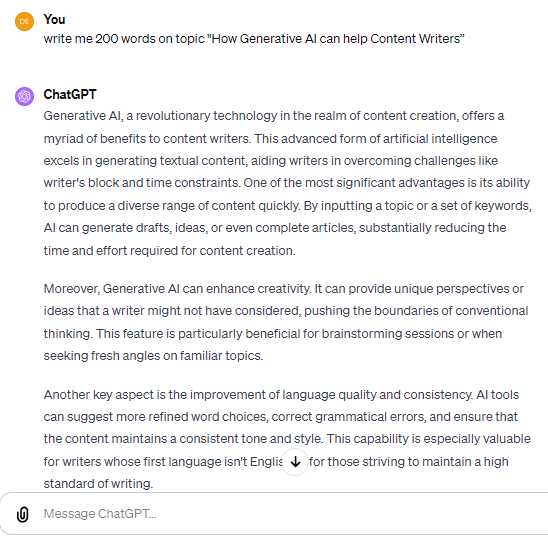
Want your ChatGPT content to sound more natural and relatable? The key is to add personal touches, use conversational language, and incorporate emotional cues to make the content feel less robotic and more human-like. By focusing on empathy, storytelling, and varied sentence structures, you can transform AI-generated text into engaging, authentic communication.
Making ChatGPT content sound human involves blending technical accuracy with emotional resonance. It’s about going beyond formulas and injecting personality and warmth into the text. When you treat AI output as a draft rather than a final product, you can edit and enrich the writing so it connects better with readers on a personal level.
ChatGPT is an incredible tool for generating content quickly, but its outputs often lack the natural flow and emotional depth that human writing carries effortlessly. To make AI-generated text truly resonate, you need to consciously tweak it. Start by imagining a real person speaking—infuse the content with empathy, humor, and varied tone to break monotonous patterns. Use contractions, rhetorical questions, and relatable anecdotes to create a friendly vibe. Don’t shy away from imperfections; slight informalities and colloquial expressions can make the text feel alive. By consciously adapting ChatGPT’s drafts instead of using them as-is, you create content that engages readers, builds trust, and feels genuinely human.

How to Humanize ChatGPT Content
Creating content with ChatGPT offers incredible efficiency, but sometimes it can feel a bit robotic or mechanical. To fully engage readers, it’s essential to add a human touch that makes the text relatable and natural. Humanizing ChatGPT content means making it feel like it was written by a person who understands emotions, context, and the nuances of everyday language.
Here, we will explore practical strategies to bring warmth, personality, and authenticity into AI-generated text, helping your content resonate better with your audience.
Understanding the Importance of Humanizing Content
Readers connect better with writing that sounds genuine and relatable. When AI-generated content lacks personality, it can appear cold and disengage the audience. Humanizing content improves readability and builds trust.
This approach also helps search engines recognize value, as naturally written content tends to perform better in SEO rankings. Adding human traits and conversational tone enhances the overall user experience.
Use a Conversational Tone
A conversational tone mimics everyday speech and makes content easier to digest. Instead of formal or overly complex sentences, opt for simple and clear language that invites readers into a friendly dialogue.
Using contractions like “you’re” instead of “you are” and incorporating questions helps the text flow naturally. This technique encourages engagement and creates a sense of connection between the author and reader.
Tips for Achieving a Conversational Tone
- Start sentences with transition words such as “so,” “but,” or “and” to keep the flow smooth.
- Use personal pronouns like “I,” “you,” and “we” to make the writing feel direct and inclusive.
- Break up long sentences into short, punchy ones for easier reading.
- Ask rhetorical questions to involve readers and stimulate thinking.
Inject Personality and Emotion
Content that shows personality feels more relatable and memorable. Expressing emotions subtly can create empathy and improve reader engagement. Even small touches like humor, enthusiasm, or empathy make a significant difference.
Instead of purely factual statements, include opinions or feelings that reflect genuine human experiences. This helps avoid the dry, robotic tone often associated with AI-generated text.
Ways to Add Personality and Emotion
- Use anecdotes or simple stories to illustrate points.
- Include emotive language that conveys excitement, concern, or curiosity.
- Balance professionalism with friendliness depending on your target audience.
- Adapt humor carefully, ensuring it is relevant and appropriate.
Incorporate Natural Language and Varied Sentence Structures
Humans naturally vary their sentence lengths and structures when writing or speaking. Including varied sentence types creates rhythm and interest. Monotonous patterns can make text boring and robotic.
Mixing short and long sentences keeps the reader’s attention and enhances the flow. Additionally, using idioms, common expressions, and everyday phrases helps the content feel familiar and warm.
Examples of Sentence Variety
| Type | Example |
|---|---|
| Short sentence | It works well. |
| Compound sentence | It works well, and most readers enjoy it. |
| Complex sentence | Because it’s easy to understand, people prefer this style. |
| Idiomatic phrase | It’s a piece of cake to humanize content with these tips. |
Leverage Contextual Understanding
Human writers adapt their tone and style based on the context and audience. ChatGPT can do this as well, but it requires carefully crafted prompts and editing. Understanding the target audience’s preferences, background, and needs is key.
Tailoring content to specific industries, age groups, or interests adds relevance and depth that AI alone might miss. Contextual awareness also helps avoid mistakes or awkward phrasing that break immersion.
How to Tailor ChatGPT Content to Context
- Include detailed instructions in prompts about tone, style, and target audience.
- Review and adjust AI responses to fit cultural or industry-specific language.
- Avoid clichés or jargon unless appropriate for the niche.
- Test content with real users or colleagues to gather feedback.
Edit for Clarity and Flow
Humanizing content requires a final editing step where you polish AI-generated text. Look for areas where wording feels awkward or unnatural and rewrite them. Editing improves clarity, fixes grammar issues, and enhances overall flow.
Reading content aloud can help identify sentences that sound robotic or complicated. Adjusting these sections makes the text more approachable and enjoyable.
Editing Checklist for Humanized Content
- Check for repetitive phrases and replace them with synonyms or rephrased sentences.
- Ensure consistent voice and tone throughout the piece.
- Use active voice predominantly to keep writing lively.
- Shorten overly lengthy sentences.
- Remove unnecessary filler words that reduce impact.
Use Personal Stories and Examples
Personal stories and concrete examples build trust and engagement quickly. They transform abstract concepts into tangible experiences that readers can relate to.
Adding anecdotes helps content feel less generic and more authentic. They also provide practical illustrations, making ideas easier to understand and remember.
Ways to Integrate Stories and Examples
- Share brief success stories or lessons learned relevant to the topic.
- Use hypothetical scenarios that mirror common reader situations.
- Include case studies or testimonials when applicable.
- Explain concepts using everyday objects or experiences.
Mind the Use of Natural Pauses and Pacing
Humans naturally pause and vary their rhythm when communicating. Writing that mimics this pacing feels more natural. Short sentences followed by longer ones give readers time to think.
Using punctuation like commas, dashes, and ellipses carefully helps create these pauses. Avoid cramming too much information into one sentence to maintain comfortable reading flow.
Incorporate Interactive Elements
Adding interactive components, such as quizzes, polls, or call-to-action prompts, makes content more engaging and human-centered. These elements invite participation and make readers feel involved.
Encouraging readers to reflect or respond creates a two-way conversation rather than one-sided information delivery. This engagement boosts reader satisfaction and time spent on the page.
Optimize for SEO Without Sacrificing Naturalness
Using keywords and SEO best practices is important, but stuffing content with keywords can harm readability. Blend keywords seamlessly into natural sentences to maintain a human tone.
Focus on semantic keywords related to humanizing AI content, such as “adding personality,” “conversational writing,” and “emotional engagement.” These terms improve searchability while keeping the writing authentic.
SEO Tips for Humanized ChatGPT Content
- Use primary keywords in headings and first paragraphs.
- Employ related phrases throughout the body to provide context.
- Include meta descriptions that reflect the conversational tone.
- Optimize images and other media with descriptive alt text.
- Ensure fast page load times and mobile-friendly layouts for better user experience.
Balance Automation and Human Input
ChatGPT is a powerful tool, but pairing it with human creativity yields the best results. Use AI to generate drafts or ideas, then refine and personalize the text yourself. This hybrid approach ensures both efficiency and authenticity.
Regularly updating and reviewing AI content to align with your brand voice and audience expectations strengthens trust and consistency.
By focusing on voice, emotion, context, and interaction, you can turn AI-generated text into rich, human-centered content that engages and delights readers. This balance makes the most of technology while honoring the unique qualities of human communication.
How to Humanize AI Text And Bypass AI Detectors for FREE…
Frequently Asked Questions
How can I add a personal tone to ChatGPT’s responses?
To add a personal tone, include specific details or anecdotes that relate to your audience. Use conversational language and insert expressions that reflect genuine emotions or thoughts. Adjust the style to sound more like a person talking naturally rather than a formal or robotic voice.
What techniques help in making ChatGPT content feel more relatable?
Incorporate everyday language and common phrases that your audience uses. Use humor or light-hearted comments when appropriate. Address the reader directly to create a connection, and include examples that reflect real-life situations to make the content more engaging and easy to understand.
How does varying sentence structure improve the natural flow of the content?
Mixing short and long sentences prevents the writing from sounding monotonous or mechanical. It mimics the way people naturally speak and think, which enhances readability and keeps the reader interested. Including questions or rhetorical devices can also add variety and a dynamic feel.
Why is incorporating empathy important in humanizing ChatGPT output?
Showing empathy helps to build trust and rapport with the reader. It involves recognizing the reader’s feelings or challenges and responding with understanding and support. This approach makes the content feel caring and considerate, which strengthens the human touch.
How can I ensure ChatGPT content reflects a unique voice?
Inject your personal style and preferences by guiding the tone and vocabulary choices. You can specify characteristics like friendliness, professionalism, or enthusiasm in your prompts. Tailoring the content according to your brand’s or personality’s identity makes the output distinct and memorable.
Final Thoughts
Humanizing ChatGPT content requires injecting empathy and personality into the responses. Use relatable examples and conversational tones to make the interaction feel more natural and engaging.
Incorporate varied sentence structures and sprinkle in humor or emotional cues where appropriate. This approach keeps the reader connected and reduces the mechanical feel of the content.
Focusing on these strategies will help you understand how to humanize ChatGPT content effectively, ensuring your audience stays interested and feels valued throughout their experience.
